
Protactinium is a silvery, radioactive metal. This element is used only in scientific research, other than that it has no commercial use. On the other hand, it has no known biological role. However, it is toxic due to its radioactivity.
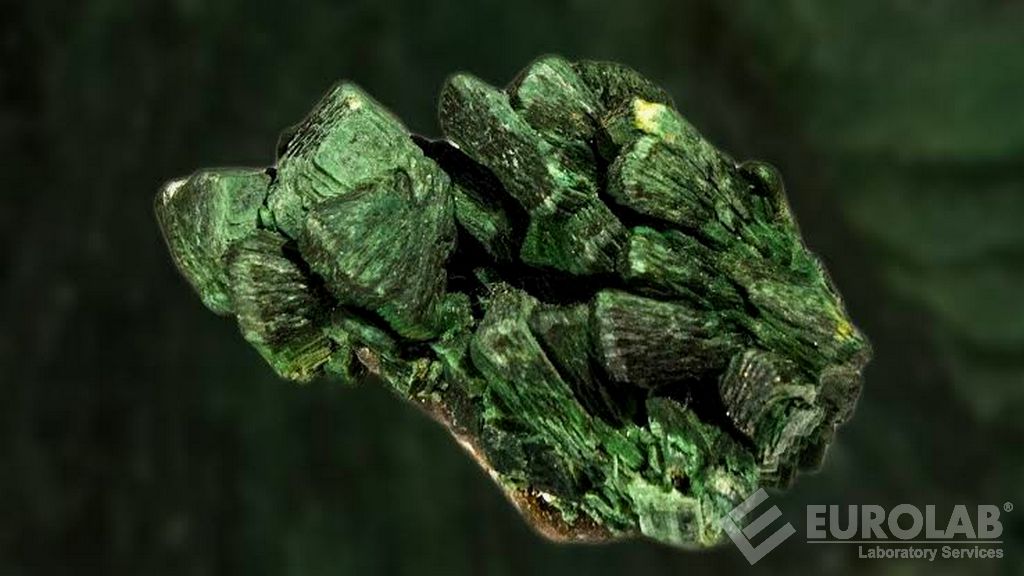
Small amounts of protactinium are naturally found in uranium ores. It is also found in spent fuel rods from nuclear reactors from which it was extracted.
As a metal, protactinium is dense and silvery-gray in color with a metallic luster. It is a superconductor below -236 degrees Celsius. It readily reacts with oxygen, water vapor, and inorganic acids to form various compounds. Some of its compounds are colored.
In compound form, protactinium is most stable in the +5 oxidation state, but also exists in the +4, +3 and +2 oxidation states. In a stable state in solution, it hydrolyzes rapidly, combining with hydroxide ions to form soluble or insoluble hydroxy-oxide solids. These solids tend to stick to the surfaces of the containers they are in.
The element protactinium is a dangerous and highly radioactive alpha emitter and requires strict precautions when working.
Currently, protactinium is often mined from spent nuclear fuel.
In the tests and analyzes carried out in our organization, which has a wide range of technological equipment, trained and experienced staff and applies the most modern methods, national and international standards and legal regulations in force are complied with. Among the numerous tests carried out in this context, there are protactinium (Pa) testing services within the framework of elemental analysis.
To get an appointment, to get more detailed information or to request an evaluation, you can ask us to fill in our form and reach you.

