

The “ANSI/ASSE Z87.1-2003 Occupational and Educational Personal Eye and Face Protection Devices” standard, jointly published by the American National Standards Institute (ANSI) and ASSE International, describes the criteria for the definition, general requirements, testing, marking, selection, maintenance, and use of protective equipment to minimize or prevent injuries from hazards such as impact, non-ionizing radiation, and chemical type injuries in occupational and educational settings, including but not limited to machine operations, material welding and cutting, chemical handling, and assembly operations.
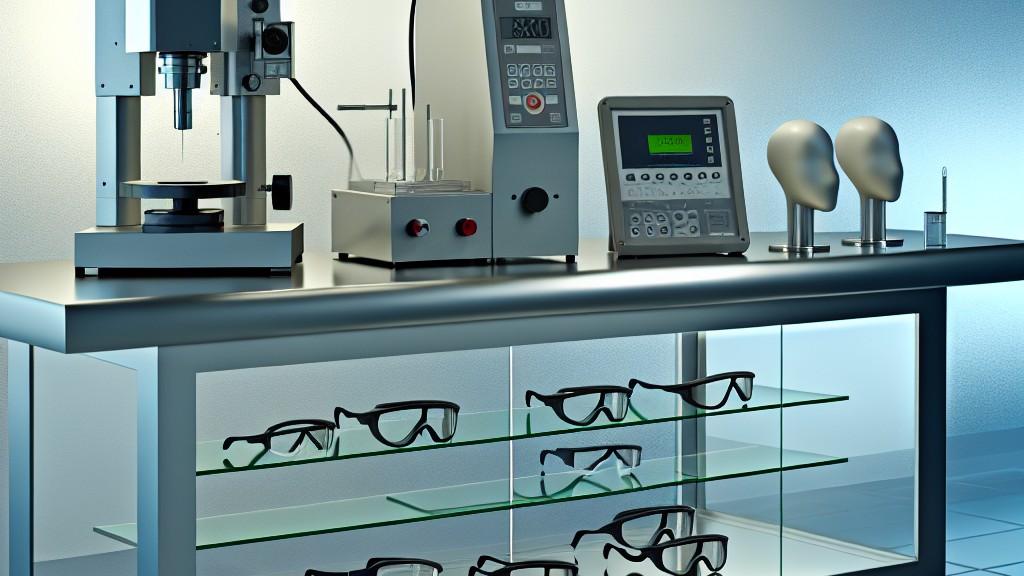
This standard provides minimum requirements for protectors, including the selection, use and maintenance of these protectors, to minimize or prevent eye and facial injuries.
The requirements of this standard apply to protectors when they are first put into service. Protectors bearing the Z87 mark or otherwise identified as complying with this standard shall fully comply with all the requirements of this standard. All components of eye and face protective devices shall comply with the requirements of this standard. Compliance with this standard cannot always be guaranteed when replacement components are used. End users should exercise extreme care in the selection and installation of replacement components to ensure compliance with this standard.
This standard covers safety glasses, goggles, side shields and other eye and face protection devices. Many professionals look for the "Z87" marking on safety glasses and similar eye and face protection devices to ensure their effectiveness.
The ANSI Z87.1 standard covers a set of guidelines that establish criteria for the requirements, testing, permanent marking, selection, maintenance, and use of protective devices to minimize or prevent the occurrence and severity of injuries. These injuries include exposures to impact, non-ionizing radiation, and liquid splashes in occupational and educational environments, such as machine operations, material welding and cutting, chemical handling, and assembly operations. However, the standard does not cover other hazardous exposures, such as bloodborne pathogens, X-rays, high-energy particle radiation, microwaves, radiofrequency radiation, lasers, masers, and sports and recreation. As a performance-oriented standard, the requirements of ANSI Z87.1-2020 apply to protective devices when they are first placed into service. As such, protective devices bearing the permanent Z87 marking fully meet all applicable requirements of this standard.
This standard is constantly being updated. For example, in the latest update, criteria and mandatory markings for protectors offering comfortable optics have been added as an option to long-standing requirements. Testing, performance and marking criteria have been added for anti-fog lenses, as fogging can impede the wearer’s ability to work safely. Passage clearances have been changed, welding filter shades have been expanded, clarifications have been added to ensure consistency in testing for dark condition tolerances for auto-darkening welding filters, and to determine the minimum coverage area for a specified headform.
In short, safety eyewear includes various markings that indicate specific safety ratings as determined by the American National Standards Institute (ANSI). This organization exists to oversee and help develop voluntary safety standards. The ANSI Z87.1 rating was specifically designed to help develop a certification system for safety eyewear based on specific hazards encountered in the workplace, based on:
All safety eyewear manufacturers must provide product information on how their safety eyewear meets these current standards.
The major test methods defined in the ANSI/ASSE Z87.1 standard include:
For safety glasses to pass the basic Z87.1 standard, they must pass a falling ball impact test. This test involves a steel ball (12,70 mm in diameter and weighing approximately 25,4 grams) being dropped from a test height of 68 cm. For the glasses to pass, the lens and frames must remain intact.
Spectacles that meet the requirements of this standard for droplet (splash) and dust protection are marked with a code starting with the letter “D”:
Clear vision is essential for any industrial task, and the ANSI Z87.1 standard ensures that eyewear and face shields maintain optical clarity. This standard specifies precise specifications for lens quality, including measures to prevent distortion, blur, and other visual impairments. This not only protects workers from potential accidents, but also increases overall productivity by providing a clear line of sight.
Protective equipment that complies with this standard adequately protects the eyes, face and surrounding areas. This comprehensive approach provides a robust defense against unforeseen workplace hazards by minimizing the risk of injury from a variety of perspectives.
Our organization has a strong staff that closely follows the developments in the world in the field of science and technology and constantly improves itself. Among the numerous test, measurement, analysis and evaluation studies provided for businesses in various sectors, there are also test services in accordance with the "ANSI/ASSE Z87.1-2003 Occupational and educational personal eye and face protection devices" standard.
To get an appointment, to get more detailed information or to request an evaluation, you can ask us to fill in our form and reach you.

