

There are two main reasons for dust measurements in workplaces: to ensure air quality management and to comply with legal regulations. The immediate effects of the dust irritate the eyes, cause headaches, fatigue, coughing and sneezing. Therefore, poor indoor air quality reduces worker performance. It is also known that airborne particles cause long-term harmful effects and contribute to serious diseases.
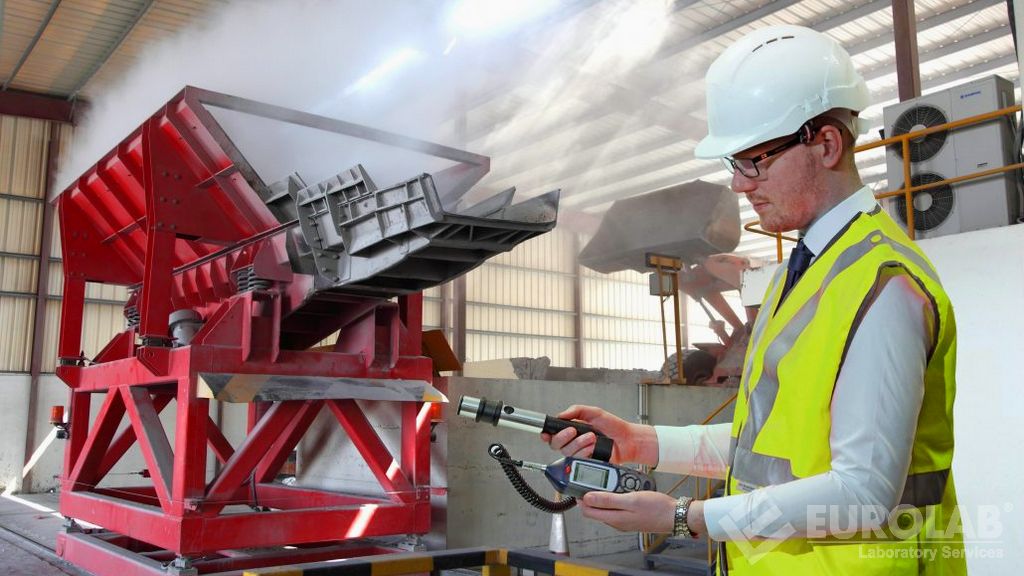
Employers are responsible for ensuring that employees and visitors are not exposed to poor air quality in the workplace. Therefore, dust values in the air must be followed. Accurate and effective monitoring is required to control exposure levels and ensure a safe working environment. Employers must identify health hazards and prevent workers from being exposed to hazardous materials.
Indoor air quality is affected by both internal and external factors. Air pollution originates from external sources such as nearby factories and construction work, or from vehicles, particularly diesel-powered vehicles. Indoor air quality, in turn, is affected by work practices and processes. Regardless, it is important to identify both the source and the severity of the problem. Only then can appropriate and effective measures be taken. For example, ventilation, prevention of process dust, management of shift schedules, use of personal protective equipment, and the installation of alarm systems.
In the test, analysis, measurement and evaluation studies carried out in our organization, national and international standards and applicable legal regulations are complied with and reliable and impartial results are obtained. Dust measurement services are among the numerous tests carried out in this context.
To get an appointment, to get more detailed information or to request an evaluation, you can ask us to fill in our form and reach you.

