

The ANSI/ISEA 105 standard, developed jointly by the American National Standards Institute (ANSI) and the International Safety Equipment Association (ISEA), describes the classification requirements for hand protection based on specific performance characteristics related to chemical and industrial applications, and defines the test methods.
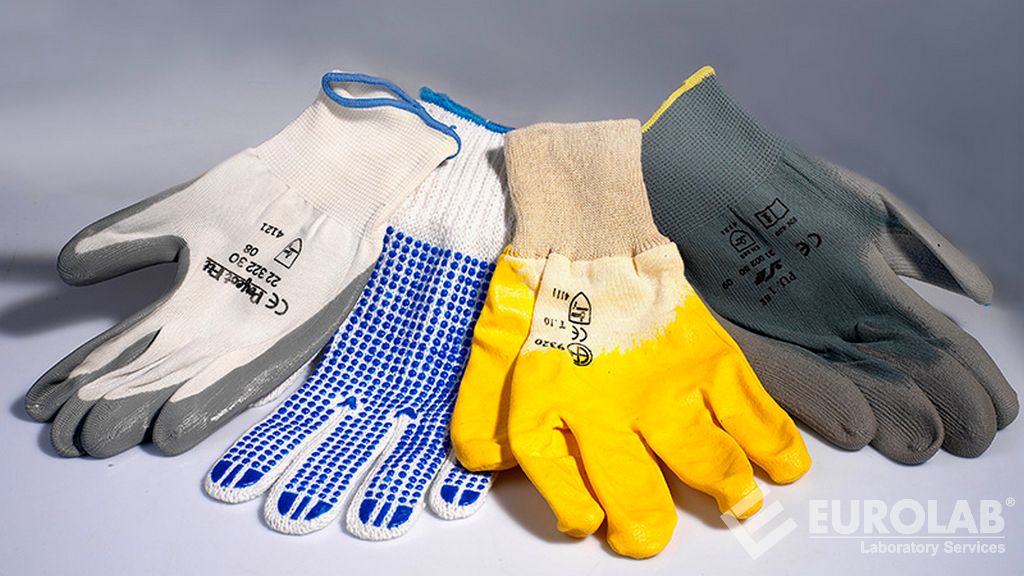
Hand protection includes gloves, partial gloves, or other items that cover the hand or part of the hand, intended to provide protection or resistance to a particular hazard.
Within the scope of the mentioned standard, performance ranges are explained in the following subjects:
The test methods defined in this standard describe different performance levels for each feature, with zero (0) representing the minimum protection. Gloves are classified according to a performance level ranging from 0 to 6 according to their performance when evaluated according to defined industry test methods. Such ratings help users choose the appropriate hand protection for specific hazards in the workplace.
In this latest update to the standard, the classification levels have been expanded to address the differing gaps between specific levels seen in previous versions and to model the approach used in similar international standards. One of the biggest changes is to the determination of cut resistance classification. The latest version allows for the ASTM F1790/F1790M-15 standard test method for measuring the cut resistance of materials used in protective clothing with a CPP tester. Additionally, a needle puncture test, acknowledging a common potential exposure in the medical, sanitation, and recycling industries, has been included in the standard.
Briefly, hand protection classifications are divided into three main groups:
The purpose of the ANSI/ISEA 105-2016 standard is to provide manufacturers with a system to classify their products for specified glove performance areas. The information obtained helps users choose the appropriate hand protection.
Our organization also provides test services for hand protection classification within the scope of ANSI/ISEA 105 standard, with its trained and expert staff and advanced technological equipment, among the numerous test, measurement, analysis and evaluation studies it provides for businesses in various sectors.
To get an appointment, to get more detailed information or to request an evaluation, you can ask us to fill in our form and reach you.

