

In the EN 966+A1 standard, which is a European standard, the requirements and test methods for protective helmets used while flying with paragliding, sail wing flights and ultra-light aircraft are described.
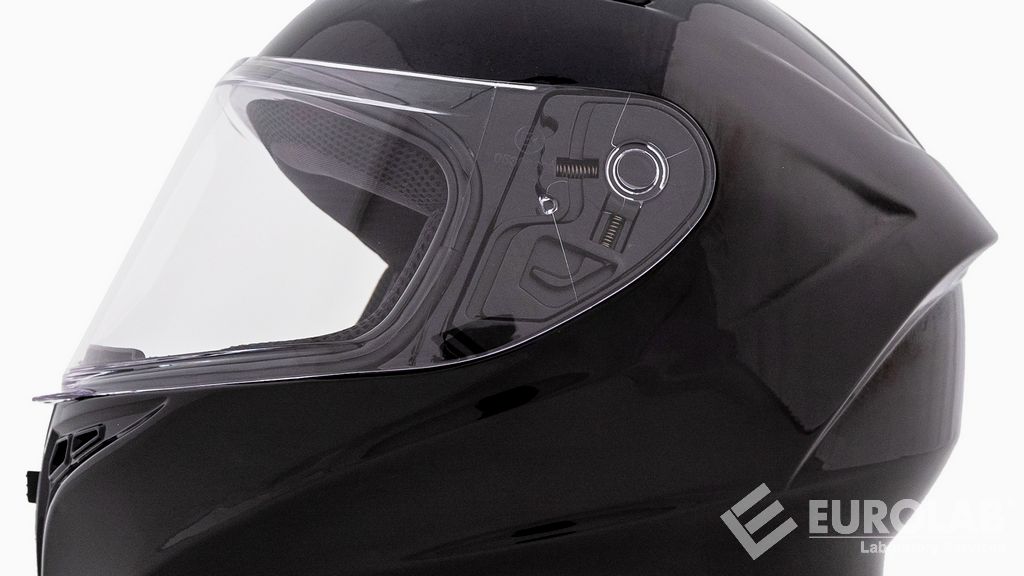
Helmets used in air sports are grouped as follows according to the mentioned standard:
Where applicable, requirements and relevant test methods are given for:
The requirements described in the standard cover both groups mentioned above. Specific requirements are included in the relevant clauses. However, this standard does not apply to other types of head protection used in air sports.
For the purposes of this standard,
For parts of the helmet that come into contact with the skin, no material known to be visibly altered by contact with sweat or substances contained in toiletries may be used. Materials known to cause skin disorders, including injuries from contact with cold surfaces related to the material's thermal conductivity, cannot be used.
Among the numerous test, measurement, analysis and evaluation studies it provides for businesses in various sectors, our organization also provides testing services for helmets used for air sports, within the scope of EN 966+A1 standard, with its trained and expert staff and advanced technological equipment.
To get an appointment, to get more detailed information or to request an evaluation, you can ask us to fill in our form and reach you.

