

The International Electrotechnical Commission (IEC) standard "IEC 61138 Cables for portable grounding and shorting equipment" specifies requirements for flexible cables with ethylene propylene rubber, polyvinyl chloride, or silicone rubber insulation for portable grounding and shorting equipment. Because these types of cables are designed solely for grounding and shorting equipment, this standard does not include nominal voltages.
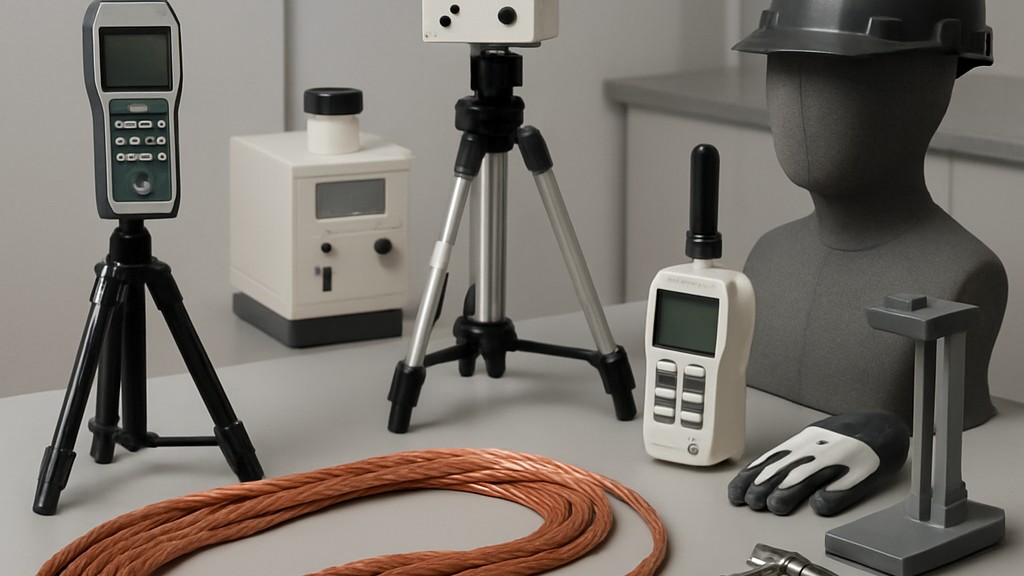
The types of cables covered by the IEC 61138 standard are vital for safely earthing and short-circuiting electrical installations during maintenance or emergency operations to protect personnel from electric shock or arc flash.
This standard applies to flexible, insulated and sheathed cables used at low and medium voltages in systems up to 36 kV. It includes:
The IEC 61138 standard essentially defines two main cable types:
Key testing and performance criteria include:
The IEC 61138 standard is considered essential because it ensures the safety, reliability, and performance of cables used in portable grounding and short-circuiting equipment, which are critical tools for protecting electrical workers during maintenance or emergency situations. This standard is important for the following reasons:
These tests ensure consistent quality control across global suppliers.
This standard is considered to be useful mainly for: electrical appliance manufacturers, power distribution units and the telecommunications sector.
The tests described in this standard are widely sought after because they ensure the safety of personnel performing maintenance on de-energized systems, promote standardization in the design and use of grounding cables, and reduce the risk of electrical accidents due to cable failure or poor material quality. Failure to comply with this standard significantly increases the risk of serious electrical accidents during service and maintenance operations.
The test methods described in this standard are defined in the following standards:
In addition to the requirements in IEC 61138, mechanical requirements and marking requirements for complete equipment must also be considered. These requirements are included in IEC 61230.
Type testing generally refers to the tests that must be performed to demonstrate satisfactory performance characteristics for a cable type covered by this standard to meet its intended application. Once these tests have been performed, they will not need to be repeated unless changes are made to the cable materials, design, or type of manufacturing process that could alter the performance characteristics.
Sample testing refers to tests performed on samples of completed cable or components taken from a completed cable that are sufficient to verify that the finished product meets design specifications.
Routine testing refers to tests performed on all production cable lengths to demonstrate their integrity.
Our organization, which has been supporting businesses across all sectors for years through a wide range of testing, measurement, analysis, and evaluation activities, has a strong team of employees who closely follow global developments in science and technology and are constantly improving themselves. In this context, we also provide testing services to businesses in accordance with the IEC 61138 "Cables for Portable Grounding and Short-Circuit Equipment" standard.
To get an appointment, to get more detailed information or to request an evaluation, you can ask us to fill in our form and reach you.

