

The European standard “EN 614 Safety of machinery - Ergonomic design principles” consists of three subheadings:
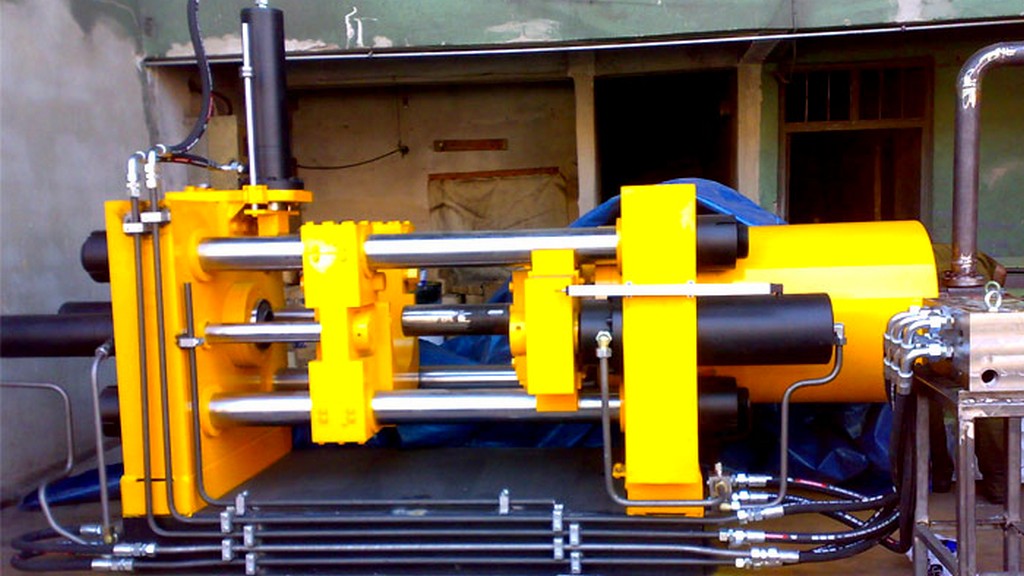
The EN 614-1 standard describes the ergonomic principles to be followed during the machine design process. This standard applies to the interactions between operators and machinery during the installation, operation, adjustment, maintenance, cleaning, dismantling, repair or transportation of equipment and outlines the principles to be followed when taking into account the health, safety and well-being of the operator. This standard provides a framework within which more specific ergonomic standards and other relevant standards related to machine design will be applied.
The ergonomic principles given in this standard apply to the full range of human capabilities and characteristics to ensure safety, health and well-being and overall system performance. The information should be interpreted in accordance with the intended use. Although the principles in this European standard are intended for machinery for occupational use, they can also be applied to equipment and machinery for private use.
The EN 614-2 standard describes ergonomic principles and procedures to be followed during the design process of machine and operator work tasks. This standard deals specifically with task design in the context of machine design, but the principles and methods can also be applied to job design. This European standard is aimed at designers and manufacturers of machines and other work equipment. It is also useful for those involved in the use of machines and work equipment, such as managers, organisers, operators and supervisors. In this standard, designer refers to the person or group of persons responsible for the design.
The CEN/TR 614-3 standard describes the ergonomic principles to be followed during the design process of mobile machines, with special emphasis on the aspects in which mobile machines differ from static machines. The ergonomic design principles given in this technical report apply to both sitting and standing positions. This technical report applies to the design of mobile (self-propelled and towed) machines in order to provide ergonomic working conditions for the operator.
This technical report is only valid for driving and operating mobile machinery and not for performing other tasks (e.g. separators on potato harvesters). Pedestrian-controlled and hand-held machinery are not included in this standard. This technical report is also valid for on-board machinery (e.g. mobile cranes) considering their functional characteristics.
Installation, cleaning and repair of mobile machines are not included.
The basic concepts and general ergonomic principles for the design of machines are covered in the prEN ISO 12100, EN 614-1 and EN 614-2 standards. The EN 614-1 standard provides a framework for incorporating ergonomic principles into the design process. This framework helps designers to perform ergonomic analyses and design actions at appropriate stages of the design process. The EN 614 standard provides the principles for the design of job tasks in interaction with the machine design. This framework helps designers to focus on job task design and the optimum distribution of job tasks between the operator and the machine.
In short, the EN 614 standard specifies the ergonomic principles to be followed throughout the design process of work equipment, particularly machinery. This standard applies to the interactions between the operator and the work equipment during the installation, operation, adjustment, maintenance, cleaning, repair or transportation of the equipment and outlines the principles to be followed in fully considering the health and safety of the operator. The ergonomic principles described in this standard apply fully to all individual ability ranges. Information on dimensions should be interpreted to suit the intended population.
Among the numerous tests, measurements, analyses and evaluation studies carried out for businesses in various sectors, our organization also provides testing services defined in the “EN 614 Safety of machines - Ergonomic design principles” standard with its trained and expert staff and advanced technological equipment.
To get an appointment, to get more detailed information or to request an evaluation, you can ask us to fill in our form and reach you.

