

The European standard “EN 343 Protective clothing - Protection against rain” describes the requirements and test methods for the performance of materials and ready-made clothing that provide protection against the effects of precipitation (e.g., rain, snowflakes), fog, and ground moisture. Clothing that provides protection against effects other than precipitation (e.g., splashes, waves) is outside the scope of this standard. The protective effects and requirements of footwear, gloves, and separate head coverings are excluded.
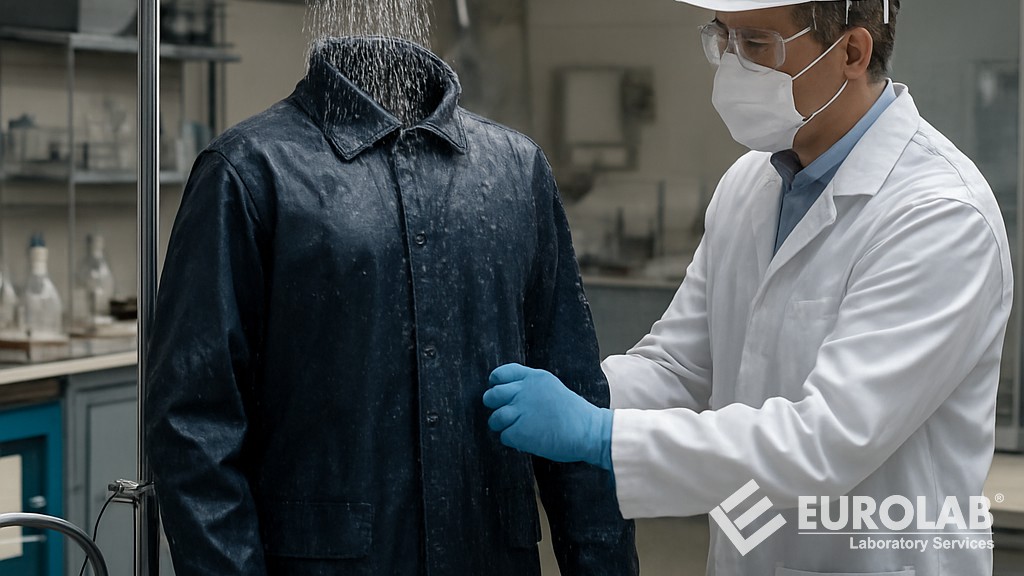
The purpose of this standard is to define the measured properties of materials and seams of protective clothing, to classify them, and to ensure an adequate level of protection. Water resistance and water vapor resistance are the key properties tested and marked on the label. Water resistance is the most important property and is measured on the material of the outer garment layer. Tests are performed on pre-treated fabric samples and seamed parts.
This standard also describes a test method (rain tower test) for optional ready-to-wear testing after cleaning.
Some waterproof materials are resistant to water vapor permeability. However, other materials on the market combine waterproofing with water vapor permeability. This property, expressed as low water vapor resistance, increases sweat evaporation and significantly contributes to body cooling. This is valuable because it contributes to better comfort and less physiological strain, and extends the wearing time in certain climatic conditions.
For the purposes of this standard, the following terms and definitions apply:
When tested according to this standard, in addition to the requirements described in EN ISO 13688, the following general requirements must be met:
Hoods are not a mandatory part of rainproof clothing. Rainproof clothing typically includes the outermost shell of the garment and additional layers underneath. It has been shown that these underlying layers can support overall breathability and comfort if they also provide moisture management capabilities. For material testing, the individual tests applied to each component are as follows:
If a sample falls into different classification classes in different tests for labeling, the garment's lowest water penetration value is used for classification.
In an era where outdoor work is increasingly exposed to unpredictable weather conditions, ensuring personal safety and comfort has never been more critical. From construction sites battered by incessant downpours to foggy agricultural fields, professionals across diverse sectors face the constant threat of rain, snow, fog, and soil moisture. The EN 343 standard is a key European standard that sets a benchmark for protective clothing designed to shield users from these elements.
This standard outlines the requirements and test methods for materials and seams in clothing designed to combat adverse weather conditions. The goal is not simply to stay dry, but to balance waterproofing with breathability to prevent overheating and discomfort during prolonged use. As climate variability increases, compliance with the EN 343 standard has become an indispensable element of personal protective equipment in sectors such as construction, logistics, farming, urban maintenance, and even outdoor recreation.
The EN 343 standard focuses on Category I personal protective equipment, which addresses low-risk hazards such as wetting, hazards that are not life-threatening but still pose a threat. Unlike high-risk standards that require third-party certification, this standard allows manufacturers to test and declare compliance themselves. However, when combined with other standards (e.g., high-visibility or flame-retardant clothing), a full third-party assessment is mandatory.
This standard applies to ready-to-wear clothing such as jackets, trousers, overalls, and suits, excluding those designed for extreme conditions such as splashes or waves. Its primary purpose is to ensure that garments provide reliable barriers against rain, snow, fog, and soil moisture, and regulate body temperature.
In short, the EN 343 standard enables workers to succeed outdoors by transforming adverse weather conditions into a manageable factor. It strikes a delicate balance between protection and practicality, prioritizing both waterproofing and permeability.
For many years, our organization, with its competent and experienced staff, has been understanding the needs of its clients, providing the advanced testing services they require, and assisting them in the establishment, implementation, and improvement of management systems. Within this framework, we also provide testing services to businesses in accordance with the "EN 343 Protective clothing - Protection against rain" standard.
To get an appointment, to get more detailed information or to request an evaluation, you can ask us to fill in our form and reach you.

