

The standard "EN IEC 60903 Live work - Electrically insulating gloves," based on a European standard and subsequently published by the International Electrotechnical Commission (IEC), applies to electrical insulating gloves that protect workers against electric shock. This standard also covers electrical insulating gloves with additional integrated mechanical protection, referred to as composite gloves.
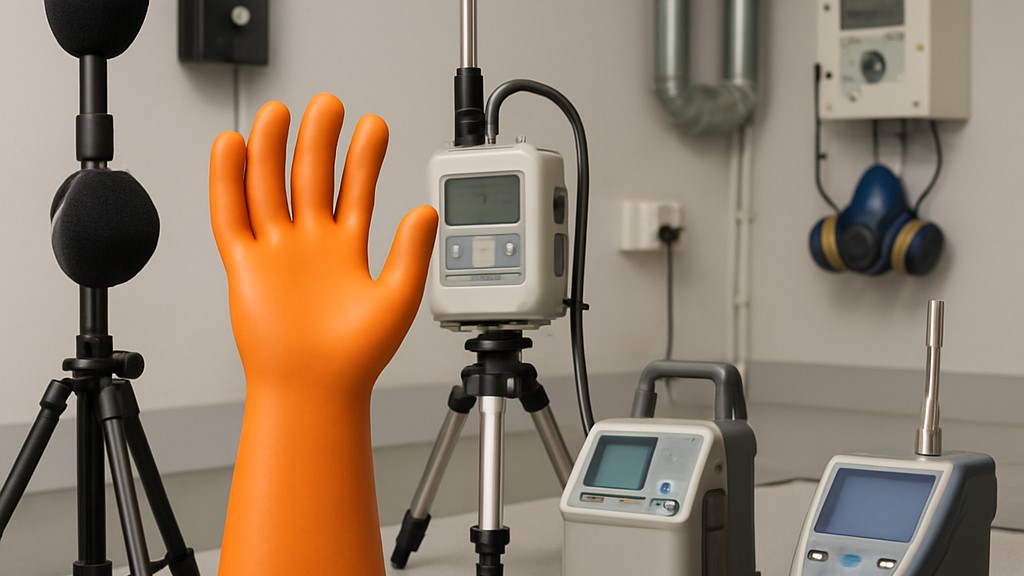
Products designed and manufactured to this standard contribute to user safety when used by skilled personnel in accordance with safe work practices and the instructions for use. Insulating gloves are normally used in conjunction with leather protective gloves to provide mechanical protection. Composite insulating gloves are normally used without an overglove.
The requirements in this standard have been prepared to ensure that the products covered by this standard are designed and manufactured in a way that contributes to the safety of users, provided that they are used by persons skilled in live work in accordance with the safe working method and instructions for use.
Gloves covered by this standard should be named as follows:
In the table titled “Special features” the categories are determined as follows:
Category R combines the features of categories A, H, and Z. Category F is for gauntlets only. Any combination of categories may be used.
In this standard, the physical requirements are determined as follows.
Palm circumferences must be as specified in the standard. The dimensional tolerance must be plus/minus 13 mm. Additional dimensions may be available subject to agreement between the manufacturer and the customer.
Detrimental physical irregularities shall be defined as any feature that disrupts the smooth, even surface contour, such as pinholes, cracks, blisters, cuts, conductive embedded foreign matter, wrinkles, compression marks, voids (trapped air), obvious ripples, and obvious mold marks.
Harmless physical irregularities should be defined as surface irregularities found on the inner and outer surfaces of the glove due to defects in the molds and inherent difficulties in the manufacturing process.
These irregularities may appear as mold marks that appear to be cuts, although they are actually a raised ridge of material, indentations, protrusions, embedded foreign matter, or splashes of color, and are acceptable if the following conditions are met:
In short, EN IEC 60903 is an international standard that specifies the requirements for electrical insulating gloves used for live work, that is, operations on energized equipment. These gloves are essential personal protective equipment designed to protect workers from electric shock when working on or near live electrical circuits. This standard applies to gloves made of insulating material (usually rubber or elastomer) used for live work at various voltage levels. This standard ensures that the gloves provide sufficient electrical insulation, mechanical integrity, and physical durability to protect the wearer under defined conditions.
The main objectives of this standard are:
EN IEC 60903 plays a vital role in occupational health and safety for electrical workers. This standard is considered important for the following reasons:
Consequently, this standard is a critical component of ensuring the safe use of electrical insulating gloves in live electrical work. It covers the design, classification, and testing to ensure the gloves provide the necessary protection. Compliance with this standard minimizes risk, enhances safety, and provides a reliable benchmark for both manufacturers and users in the electrical industry.
Our organization, which has been supporting businesses across all sectors for years through a wide range of testing, measurement, analysis, and evaluation activities, has a strong team of employees who closely follow global developments in science and technology and are constantly improving themselves. In this context, we also provide testing services to businesses in accordance with the "EN IEC 60903 Live Work - Electrically Insulating Gloves" standard.
To get an appointment, to get more detailed information or to request an evaluation, you can ask us to fill in our form and reach you.

