

In general, there are six main factors that cause discomfort in employees. These six factors that affect thermal comfort are: air temperature, radiant temperature, air velocity, humidity, clothing insulation, and working speed or metabolic heat.
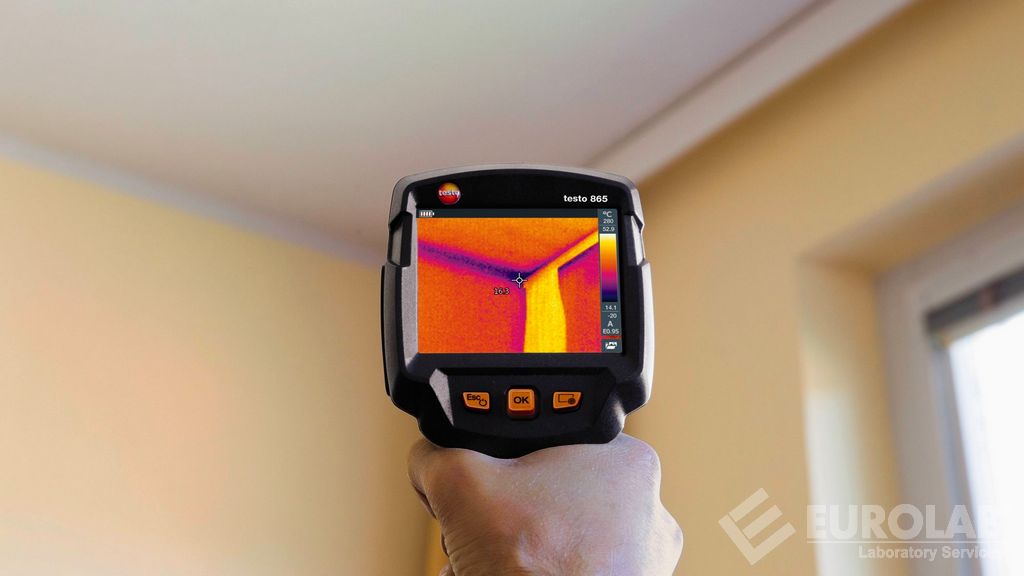
The most widely used thermal comfort indicator is air temperature. However, air temperature alone is not a valid or accurate indicator of thermal comfort or thermal stress. Air temperature is the temperature of the air surrounding the body. Radiant temperature or thermal radiation is heat emitted from a hot object. If there are heat sources in an environment, radiant heat is present. Sun, fire, ovens, stoves, hot surfaces and machines are all sources of radiant heat.
Air velocity defines the velocity of the air the worker is in and is an important factor in thermal comfort. Using air conditioning, a fan, or even a breeze from open windows helps keep workers cool. Relative humidity is the ratio between the actual amount of water vapor in the air and the maximum amount of water vapor the air can hold at that temperature. High humidity environments contain a lot of vapor in the air, which prevents sweat from evaporating from the skin. A relative humidity of over 70 percent begins to cause thermal discomfort.
Too much clothing or personal protective equipment is another cause of heat stress. Also, doing too much physical work generates more heat and negatively affects thermal comfort.
In the test, analysis, measurement and evaluation studies carried out in our organization, national and international standards and applicable legal regulations are complied with and reliable and impartial results are obtained. Thermal comfort testing services are among the numerous tests carried out in this context.
To get an appointment, to get more detailed information or to request an evaluation, you can ask us to fill in our form and reach you.

