

The legal regulation No. 2014/30/EU published in the European Union countries contains principles for harmonization of the laws of the member states regarding electromagnetic compatibility.
The main objectives of this legal regulation are as follows:
Electrical devices tend to interfere with each other's performance when placed close together or connected to each other. For example, a television or washing machine can interfere with nearby radio or power lines. Electromagnetic compatibility (EMC) reduces this effect and minimizes these disturbances and side effects as much as possible.
The purpose of the legislation, known as the electromagnetic compatibility directive, is to ensure that any electrical and electronic equipment minimizes electromagnetic disturbances that may affect other equipment, including radio and telecommunications equipment. In addition, this directive requires that the equipment be able to withstand interference from other equipment or radio emissions.
This directive is one of the broadest in scope, as it covers all electrical and electronic equipment powered by the mains or battery. This directive covers all mains and battery powered equipment that is affected by or tends to generate electromagnetic waves.
Equipment not covered by this directive includes equipment that does not operate independently or is a sub-component. However, if the inclusion of such a sub-component into another piece of equipment is to be done by the end-user, the equipment will fall within the scope of this directive. Any equipment that requires inclusion into another piece of equipment by the manufacturer for its operation is not covered by this regulation. Furthermore, any electrical or electronic equipment covered by other directives is not covered by this directive. For example, most communication devices and equipment emit electromagnetic waves, but must comply exclusively with the radio equipment directive. Similarly, medical devices, automobiles, and military equipment are covered by directives other than the electromagnetic compatibility directive. The relevant directives require an assessment of their electromagnetic compatibility.
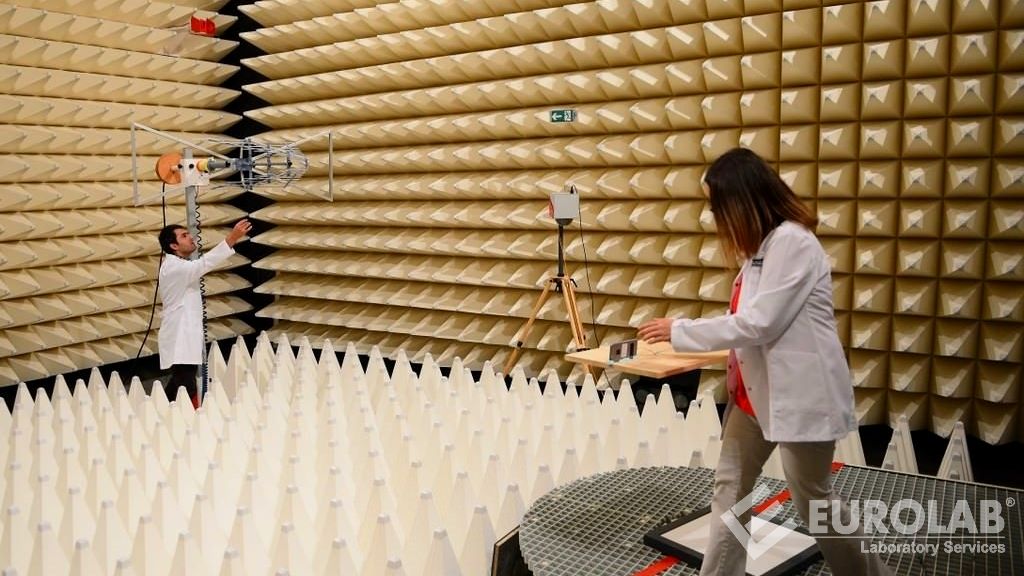
Our organization also provides testing services within the scope of the electromagnetic compatibility directive numbered 2014/30/EU, with its trained and expert staff and advanced technological equipment, among the numerous test, measurement, analysis and evaluation studies it provides for businesses in various sectors.
To get an appointment, to get more detailed information or to request an evaluation, you can ask us to fill in our form and reach you.

