

The standard “ANSI/AAMI ES60601-1 Medical electrical equipment - Part 1: General requirements for basic safety and essential performance”, published jointly by the American National Standards Institute (ANSI) and the Association for the Advancement of Medical Instrumentation (AAMI), describes the safety and essential performance requirements for all medical electrical equipment.
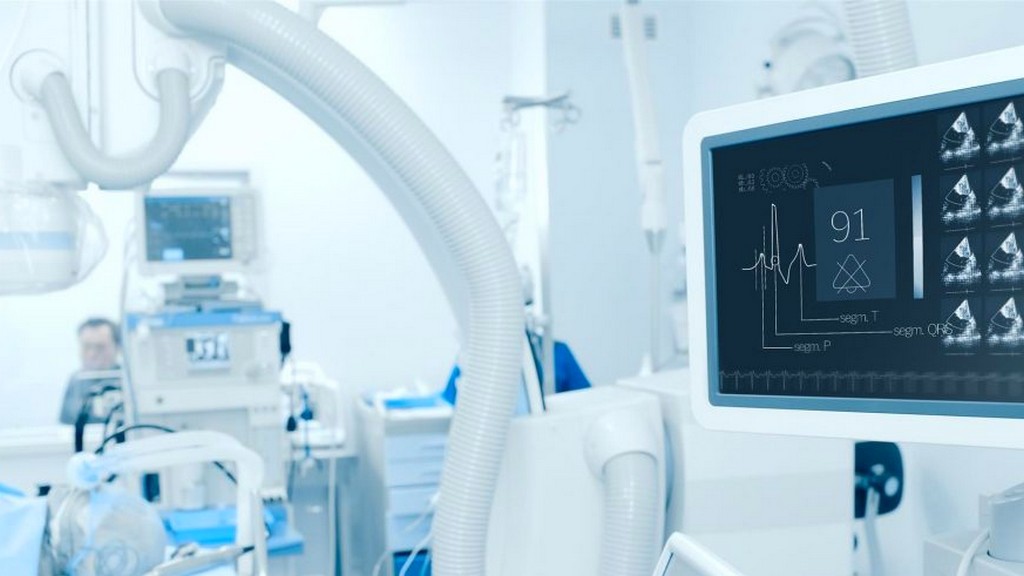
This standard contains requirements for the basic safety and essential performance of all medical electrical equipment used by or under the supervision of qualified personnel in the general medical and patient environment. It also contains specific requirements for reliable operation to ensure safety. This standard is also applicable to equipment used in the compensation or alleviation of disease, injury or disability. However, these requirements do not cover the hazards inherent in the intended physiological function of medical equipment or medical systems.
Essentially, this standard is based on the “IEC 60601-1 Medical electrical equipment - Part 1: General requirements for essential safety and essential performance” standard published by the International Electrotechnical Commission (IEC). This standard addresses the essential safety and essential performance of medical electrical devices and medical electrical systems. The IEC 60601 standards are a widely accepted set of standards aimed at ensuring the essential safety and essential performance of medical electrical equipment.
For the purposes of this standard, the following terms and definitions apply:
Equipment outside the scope of the ANSI/AAMI ES60601-1 standard includes:
Electrical safety testing is used to ensure that medical equipment is electrically safe during use in a healthcare environment by testing for faults or damage. Medical device safety testing is more stringent compared to general electrical devices. Patients are exposed to significant electrical hazards because they are directly connected to electrical devices.
Medical electrical safety analyzers are developed with measurement circuits to simulate the typical impedance and electrical properties of the human body. These circuits are called body models and are specified in electrical safety standards, including the IEC 60601-1 standard.
Among the numerous testing, measurement, analysis and evaluation studies that our organization has provided for businesses in various sectors, it also provides testing services defined in the “ANSI/AAMI ES60601-1 Medical electrical equipment - Part 1: General requirements for basic safety and essential performance” standard with its trained and expert staff and advanced technological equipment.
To get an appointment, to get more detailed information or to request an evaluation, you can ask us to fill in our form and reach you.

