IEC EN 61850-3 Communication Networks and Systems for Power Distribution Automation - Part 3: General Requirements
The standard "IEC EN 61850-3 Communication networks and systems for power distribution automation - Part 3: General requirements", which is based on a European standard and subsequently published by the International Electrotechnical Commission (IEC), describes the general requirements for public communication and automation intelligent electronic devices and systems in power plants and transformer substations, mainly regarding construction, design and environmental conditions. These general requirements are compatible with the requirements for intelligent electronic devices used in similar environments, such as measuring relays and protection equipment.
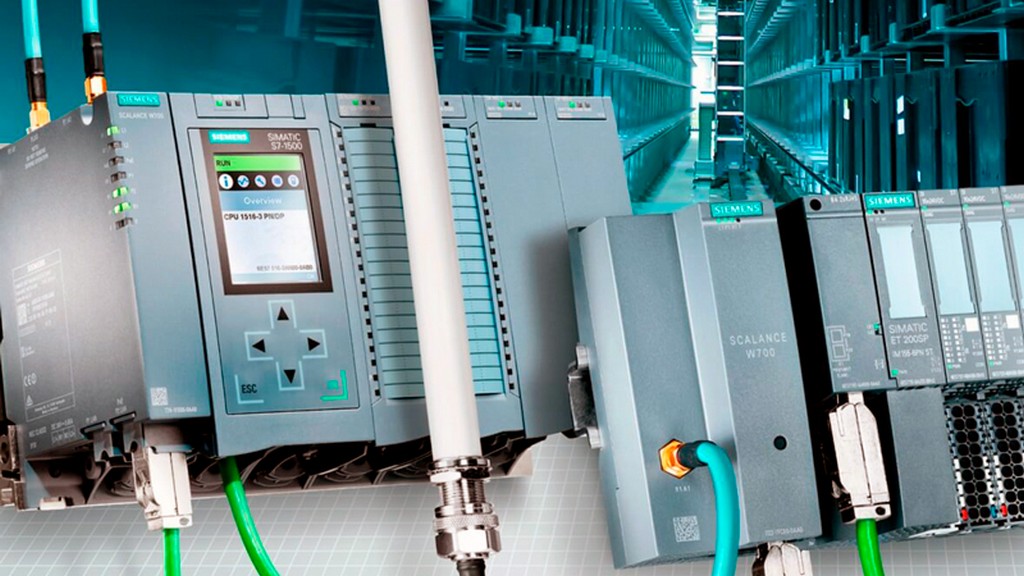
When communications or automation intelligent electronic devices are an integral part of another device in the power plant or substation, the environmental requirements for the device itself apply to the communications equipment.
For the purposes of this standard, the terms and definitions given in IEC 61850-2 apply as well as the following:
- Accessible part means the part that can be touched in normal operating use with a standard rigid or articulated test finger as specified in IEC 60529. Accessible in normal operating use applies, for the purposes of this standard, primarily to the front of the equipment only. A communications circuit or network that can be connected and received outside the front of the compartment enclosure, equipment or panel without the need to open a cover or flap for access shall be considered accessible.
- Adjacent circuits refer to electrical circuits that are separated from the circuit considered by the required basic or double or reinforced insulation. Circuits separated by more than double or reinforced insulation are not considered adjacent.
- Ambient air temperature refers to the temperature of the air surrounding the complete equipment as determined under anticipated conditions. For equipment installed inside an enclosure, it is the temperature of the air outside the enclosure. The ambient temperature is measured at half the distance from any adjacent equipment, but not more than 300 mm from the equipment enclosure, at the mid-height of the equipment, protected from direct heat radiation from the equipment.
- Automation system refers to the use of control systems and information technologies to reduce the need for human work in the production, transportation and distribution of energy.
- Barrier means the part of an electrically protective barrier that provides protection against direct contact from any ordinary direction of access. Barriers can provide protection against the spread of fire.
- Basic insulation refers to the insulation of hazardous live parts that provides basic protection. This concept does not apply to insulation used for functional purposes only.
- The limiting surface is the outer surface of the equipment enclosure. The metal foil is considered to be pressed into contact with the accessible surfaces of the insulation material.
- Class I equipment is equipment that provides basic insulation for basic protection against electric shock and protective bonding for fault protection so that conductive parts outside the equipment enclosure cannot become live in the event of failure of the basic insulation.
- Class II equipment is equipment that provides basic insulation for basic protection against electric shock, or additional insulation for fault protection, or where basic protection and fault protection are provided by reinforced insulation. No provision for a protective conductor shall be made or the installation conditions relied upon for safety purposes. However, a grounding conductor shall be connected to Class II equipment for functional (e.g. EMC) purposes.
- Class III equipment is equipment or parts of equipment in which protection against electric shock is based on supply from SELV or PELV circuits and no hazardous voltages are generated.
In the latest update of this standard, significant technical changes have been made. Namely,
- The requirements are harmonized with those of other equipment used in the same environment, for example protection relays.
- Product safety based on the IEC 60255-27 standard has been added to the standard.
- Electromagnetic compatibility (EMC) requirements have been completed and harmonized with the IEC 60255 series standards and the IEC 61000-6-5 standard.
Among the numerous testing, measurement, analysis and evaluation studies that our organization has carried out for businesses in various sectors, it also provides testing services defined in the standard “IEC EN 61850-3 Communication networks and systems for power distribution automation - Part 3: General requirements” with its trained and expert staff and advanced technological equipment.



