

The “EN IEC 60085 Electrical insulation - Thermal assessment and classification” standard, developed by the International Electrotechnical Commission (IEC) and later published as a European standard within the scope of harmonization efforts, distinguishes between thermal classes for electrical insulation systems and electrical insulation materials. This standard defines the criteria for evaluating the thermal resistance of electrical insulation materials (EIM) or electrical insulation systems (EIS). It also defines the procedure for assigning thermal classes. This standard is applicable in cases where the thermal factor is the dominant aging factor.
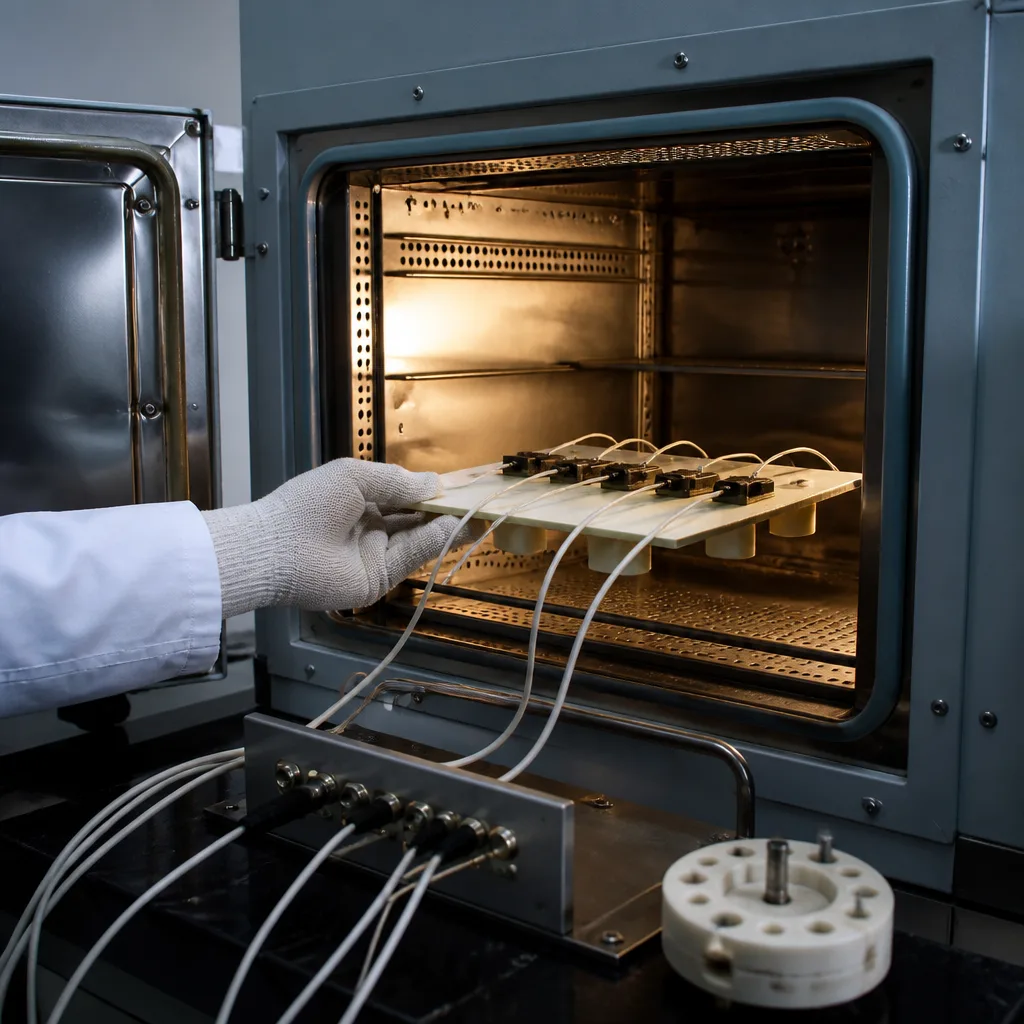
EN IEC 60085 is an international standard that defines the fundamental principles for the thermal evaluation and classification of electrical insulation used in electrical and electronic equipment. This standard helps manufacturers determine the thermal resistance of insulation materials and complete insulation systems, ensuring safe and reliable operation of electrical equipment throughout its service life.
This standard distinguishes between electrical insulation materials (EIM) and electrical insulation systems (EIS) and provides criteria for assigning thermal classes to each.
The main objective of the EN IEC 60085 standard is to provide a consistent methodology for the following:
Unlike standards that specify individual test methods, the EN IEC 60085 standard establishes the classification framework used after thermal aging assessments have been completed according to other IEC standards.
The EN IEC 60085 standard applies to:
This standard applies where thermal aging is the dominant factor affecting insulation lifespan. Other environmental stresses such as humidity, vibration, electrical stress, and chemical exposure may require additional evaluation.
As a basic concept, electrical insulation material (EIM) is a single insulating material such as:
The thermal resistance of a material is determined independently.
As a basic concept, electrical insulation systems (EIS) consist of various materials working together within electrical equipment. Examples include:
Because these materials interact, the thermal resistance of an electrical insulation system can differ from the thermal resistance of its individual components.
One of the best-known features of the EN IEC 60085 standard is the assignment of thermal classes, which represent the maximum continuous operating temperature that the insulation can withstand while achieving its expected service life. The thermal class and maximum operating temperature are as follows:
These classes are commonly used in the following areas:
Electrical insulation naturally deteriorates over time due to heat (thermal aging). This can lead to:
The Arrhenius principle is widely used to predict insulation life, demonstrating that increasing operating temperature significantly shortens insulation life. The Arrhenius principle is a scientific concept that explains how the rate of a chemical reaction increases with temperature. In electrical insulation and materials engineering, it is commonly used to predict how long an insulation material or system will last at different operating temperatures.
Arrhenius's principle states that as temperature increases, molecules in a material gain more energy, causing chemical reactions such as oxidation, polymer degradation, or bond breaking to occur more rapidly.
The EN IEC 60085 standard does not prescribe detailed aging tests, but it describes how thermal classes are assigned after assessments according to relevant IEC standards. The general process includes:
This approach allows manufacturers to objectively compare different insulation systems.
The EN IEC 60085 standard is closely related to several other IEC standards, including:
Together, these standards provide a comprehensive framework for insulation testing and qualification.
The EN IEC 60085 standard is widely used in the following areas:
Implementing the EN IEC 60085 standard offers several advantages:
Manufacturers use the EN IEC 60085 standard for the following purposes:
Since insulation failure is a leading cause of electrical equipment failure, accurate thermal classification is essential to minimize downtime and extend product life.
In conclusion, the EN IEC 60085 standard is one of the most important standards for the electrical insulation industry. By defining how electrical insulation materials and insulation systems should be thermally evaluated and classified, it provides a common basis for reliable electrical equipment design. With this standard, the thermal classification system has become an industry standard across various sectors, from industrial motors and transformers to electric vehicles and renewable energy systems.
For many years, our organization, with its competent and experienced staff, has been understanding the needs of its clients, providing the advanced testing services they require, and assisting them in the establishment, implementation, and improvement of management systems. Within this framework, we also provide testing services compliant with the EN IEC 60085 standard.
To get an appointment, to get more detailed information or to request an evaluation, you can ask us to fill in our form and reach you.

