
ANSI/NEMA HP 3 Electrical and Electronic Polytetrafluoroethylene (PTFE) Insulated High Temperature Connection Cable, ET (250 V), E (600 V) and EE (1.000 V) Types.

ANSI/NEMA HP 3 Electrical and Electronic Polytetrafluoroethylene (PTFE) Insulated High Temperature Connection Cable, ET (250 V), E (600 V) and EE (1.000 V) Types.

The “ANSI/NEMA HP 3 High-temperature electrical and electronic polytetrafluoroethylene (PTFE) insulated connection cable, ET (250 V), E (600 V) and EE (1.000 V) types” standard, developed jointly by the American National Standards Institute (ANSI) and the National Electrical Manufacturers Association (NEMA), describes specific requirements for PTFE-insulated solid and multi-stranded cables designed for internal wiring of electrical and electronic equipment requiring high reliability.
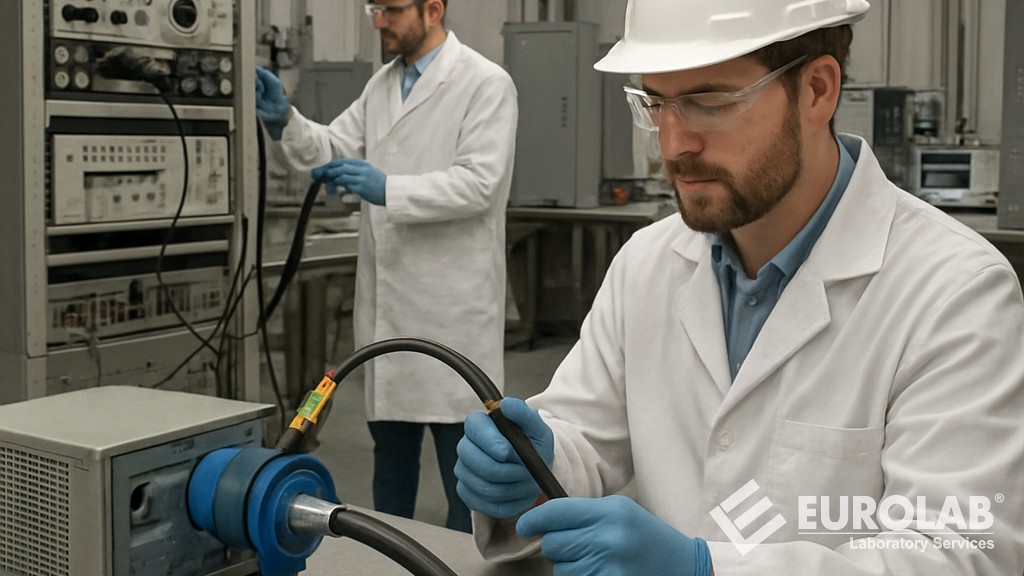
ANSI/NEMA HP 3 Electrical and Electronic Polytetrafluoroethylene (PTFE) Insulated High Temperature Connection Cable, ET (250 V), E (600 V) and EE (1.000 V) Types.

These standards address 250-volt (Type ET), 600-volt (Type E), and 1000-volt (Type EE) cables and allow continuous conductor temperatures of -65 degrees to +200 degrees for silver-plated conductors and -65 degrees to +260 degrees for nickel-plated conductors.

These types of connection cables are used when the following features are required:

  • High temperature resistance
  • Low temperature resistance
  • Low dielectric constant
  • Soldering iron resistance
  • Resistance to cleaning solutions or various chemicals that may come into contact with cables or equipment.
  • Good flexibility and bending life when using multi-stranded conductors.

The ANSI/NEMA HP 3 standard covers PTFE-insulated solid and multi-stranded conductor cables designed for internal cabling applications where high-temperature performance, chemical resistance, and reliability are critical, such as in aerospace, military, industrial electronics, meters, panels, and other sensitive equipment.

The standard defines three main voltage ratings/types for PTFE insulated connection cable:

  • ET type: Rated for 250 Volts, with a thinner insulation wall (typically for low-voltage applications).
  • Type E: Rated for 600 Volts, the most common variant (used in many product listings as a cross-reference with the older MIL-W-16878/4 and UL 1213 standards).
  • EE type: Rated for 1.000 Volts, with thicker insulation for higher voltage requirements.

These types share the same core material and insulation properties, but differ primarily in insulation thickness and the resulting voltage rating.

PTFE (commonly known by the trade name Teflon) provides exceptional performance. Key features and benefits of cable conforming to the ANSI/NEMA HP 3 standard are as follows:

  • High temperature rating: Typically -60 degrees to +200 degrees, although some UL ratings list +105 degrees for certain dual-rated products.
  • Excellent chemical resistance: Resistant to oils, gasoline, fuels, solvents, and many other chemicals.
  • It is non-flammable and self-extinguishing: It does not support combustion.
  • Low friction coefficient: Ensures easy handling, stripping, and routing of the cable during assembly.
  • Resistance to soldering iron damage: The insulation withstands contact with hot tools without easily melting.
  • High dielectric strength: Superior electrical insulation properties.
  • Suitability for harsh environments: Including immersion in gasoline, vapors, and oils (up to 80 degrees in some cases).

These features make the HP 3 cable ideal for situations where ordinary PVC or other insulated cables would be inadequate due to heat, chemical, or reliability requirements.

Conductors and their structural characteristics:

  • Conductors are typically silver-plated copper (solid or multi-stranded) for high conductivity and corrosion resistance.
  • Wire mesh follows common AWG sizes (e.g., 26 AWG to 10 AWG or finer/coarser depending on the manufacturer).
  • The insulation is extruded PTFE with a controlled wall thickness depending on the type (ET, E, or EE).
  • Color coding follows standard schemes (e.g., black=0, brown=1, red=2, white=9).
  • As per standard, no mandatory printing/marking is required on the cable itself.

The ANSI/NEMA HP 3 standard has largely replaced or become compatible with older military specifications such as MIL-W-16878.

In short, the ANSI/NEMA HP 3 standard is essential because it sets uniform requirements for high-pressure thermoset plastic laminates used in abrasive and industrial environments. This standard ensures that materials used in chemical processing equipment and similar applications meet consistent safety, durability, and performance criteria. This standard is considered important for the following reasons:

  • It provides chemical resistance: Industries such as chemical processing, wastewater treatment, and laboratories use laminates that must be resistant to strong acids, alkalis, and solvents. This standard defines test methods and performance levels that verify the laminate will not rapidly degrade when exposed to aggressive chemicals.
  • It provides material classification: This standard classifies different types of thermoset laminates, helping engineers select the correct material for a specific environment. These classifications are generally based on:
  • Resin system (e.g., phenolic, epoxy)
  • Reinforcement (paper, cotton fabric, glass)
  • Chemical resistance performance

This simplifies material selection during the design and procurement phases.

  • It ensures consistent production quality: Without a standard, manufacturers could produce laminates with varying properties and unclear specifications. This standard ensures consistency by specifying the following characteristics:
  • Physical properties (strength, density)
  • Electrical properties
  • Chemical resistance requirements
  • Dimensional tolerances

This guarantees interchangeability and predictable performance among suppliers.

  • It supports safety and regulatory compliance: Using materials that conform to this standard helps reduce the risk of equipment failure or chemical leaks.

Consequently, the ANSI/NEMA HP 3 standard remains a fundamental specification for highly reliable, high-temperature connection cables in demanding electronic and electrical applications, guaranteeing performance under extreme conditions where failure is not an option. Many manufacturers produce certified wires conforming to this standard for commercial, industrial, and defense use.

For many years, our organization, with its competent and experienced team, has been understanding the needs of its customers, providing the advanced testing services they require, and assisting them in the establishment, implementation, and improvement of management systems. Within this framework, we also provide testing services compliant with the ANSI/NEMA HP 3 standard to businesses.

WhatsApp

