

Current carrying capacity is defined as the highest amperage a conductor can carry before melting the conductor or insulation. The heating caused by electric current flowing through a conductor determines the amount of current a wire will carry. Theoretically, the amount of current to be passed through a single bare copper conductor wire can be increased until the heat produced reaches the melting temperature of the copper.
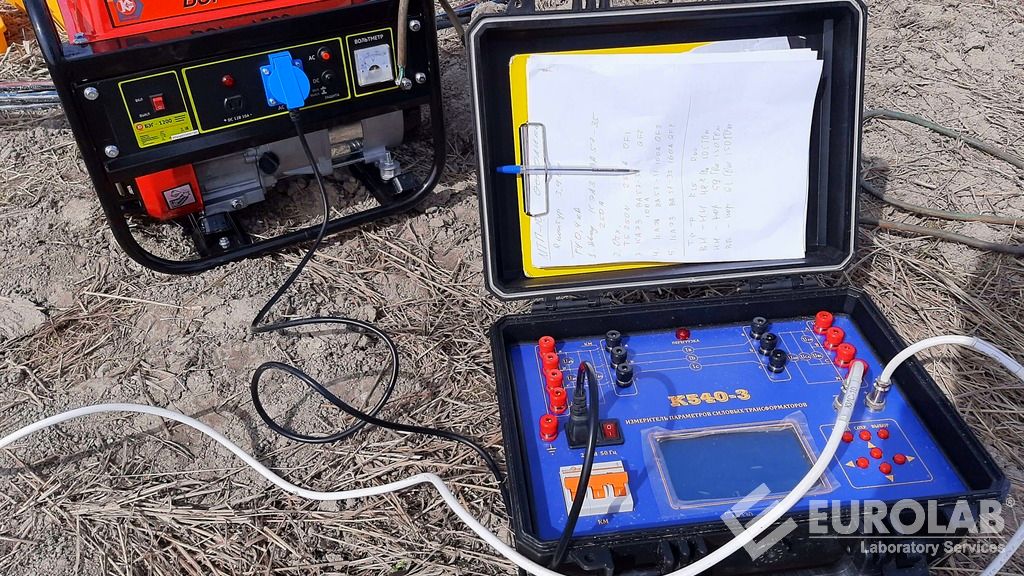
There are a number of factors that limit the amount of current flowing through a wire, such as conductor size, ambient temperature, conductor number and installation conditions. Regarding conductor size, for example, the larger the circular area of a wire, the greater the available capacity. The amount of heat produced should never exceed the highest temperature value of the insulation. The higher the ambient temperature, the less heat is required to reach the highest temperature of the insulation. As the number of individually insulated conductors bundled together increases, the heat dissipation decreases (conductor number). Regarding installation conditions, restricting heat dissipation by inserting conductors into ducts, ducts, trays or ducts reduces the available carrying capacity. This restriction can be somewhat alleviated by using appropriate ventilation methods or air cooling.
The current carrying capacity of the cables is one of the decisive selection parameters, especially in the field of energy transmission or for conventional motor and servo cables. According to the standards, the current carrying capacity is the maximum current allowed under certain conditions where the conductor is not heated above the allowable operating temperature at any point. That is, it is important that the current load in a cable does not exceed a certain temperature on the conductor. This peak conductor temperature is material dependent on the one hand, and an application dependent variable on the other.
In short, more safety is required when using cables. The highest current carrying capacity values listed for cables refer not only to the electrical limit values, but also to the specific mechanical load in the energy chain. These values therefore offer a higher degree of safety than the normal standard values.
Our organization also provides current carrying capacity testing services with its trained and expert staff and advanced technological equipment, among the numerous test, measurement, analysis and evaluation studies it provides for businesses in various sectors.
To get an appointment, to get more detailed information or to request an evaluation, you can ask us to fill in our form and reach you.

