

Developed by Suzuki Motor Corporation as part of its standards for copper and non-ferrous materials, the “SES N 3144 Electrical Copper Materials” standard describes the requirements, properties, and quality criteria for copper and copper alloy materials used in electrical applications in the automotive industry.
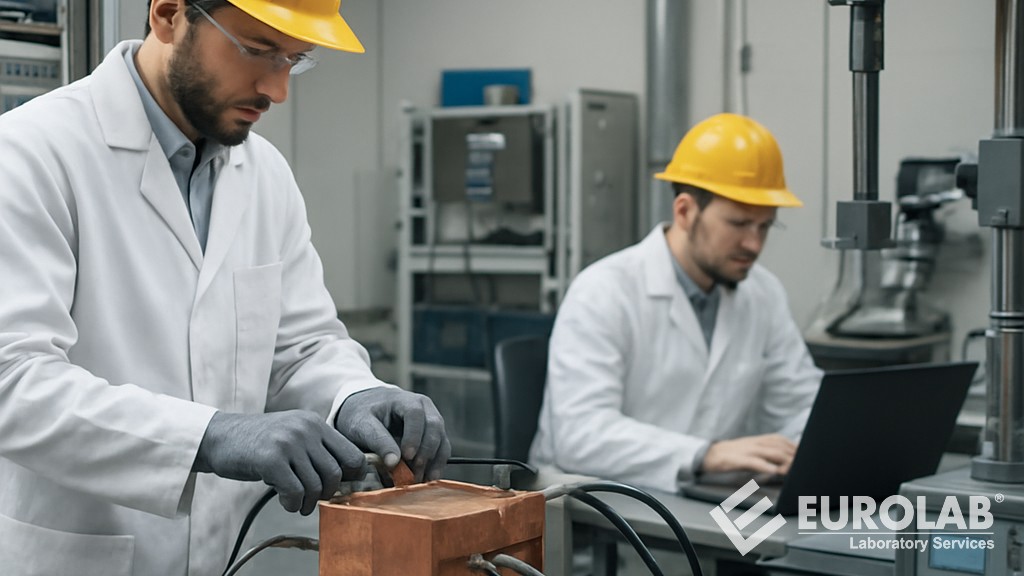
Copper is a primary material for electrical systems due to its high electrical conductivity, durability, and corrosion resistance. It is widely used in cabling, connectors, terminals, and electronic components. Copper has one of the highest electrical conductivities among engineering metals and is considered a reference material for electrical performance.
Electrical copper materials are fundamental to modern vehicles, forming the backbone of power distribution, signal transmission, and electronic control systems. Due to its exceptional electrical conductivity, thermal performance, and reliability, copper is the preferred material for automotive electrical applications. As vehicles evolve toward electric mobility, autonomous systems, and advanced electronics, the demand for high-performance copper materials continues to grow.
The basic properties of copper for automotive applications are as follows:
This is critical in systems such as battery connections, sensors, and electronic control units.
Good heat management prevents overheating and extends component lifespan.
Types of electrical copper materials include:
Applications of electrically charged copper alloys in automotive systems include:
Modern systems may include more than 1-5 km of cable.
Electric vehicles use 2-4 times more copper than traditional vehicles.
To improve performance, copper materials are often coated in the following ways:
These coatings enhance reliability in demanding automotive environments.
The basic production processes for electrical copper materials are as follows:
Heat treatments are used to optimize the following:
Future trends are expected to be as follows:
Consequently, electrical copper materials are indispensable in the automotive industry. Their unique combination of high electrical conductivity, thermal efficiency, and mechanical reliability makes them essential for both conventional and next-generation vehicles. As the automotive world shifts towards electrification, copper continues to play a central role in enabling efficient, safe, and high-performance mobility solutions.
The SES N 3144 standard generally covers the following:
This standard defines the requirements for:
The SES N 3144 standard requires the following rigorous testing:
Consistency is crucial because electrical malfunctions can lead to the following:
The SES N 3144 standard is considered important for the following reasons:
Without such standards, variations in copper quality can lead to the following:
In conclusion, the SES N 3144 Electrical Copper Materials standard plays a vital role in defining the materials that power modern vehicles. By standardizing the properties of copper and copper alloys, it ensures the following:
With the rise of electric and hybrid vehicles, the importance of this standard continues to grow, as copper remains the backbone of automotive electrification.
For many years, our organization, with its competent and experienced team, has been understanding the needs of its clients, providing the advanced testing services they require, and assisting them in the establishment, implementation, and improvement of management systems. Within this framework, we also provide testing services compliant with the SES N 3144 standard.
To get an appointment, to get more detailed information or to request an evaluation, you can ask us to fill in our form and reach you.

