

Surface insulation resistance (SIR) is simply a method of measuring the electrical reliability of an unclean flux residue. The flux residue remains in the device for the life of the device. The manufacturer or end user of the flux wants to make sure that the flux will not conduct, leak current, and electrical signals do not go where they should not be. Because the circuit is so small and there is potentially a lot of flux coming into contact with all these different surfaces, it is necessary to make sure that the surface is not conductive.
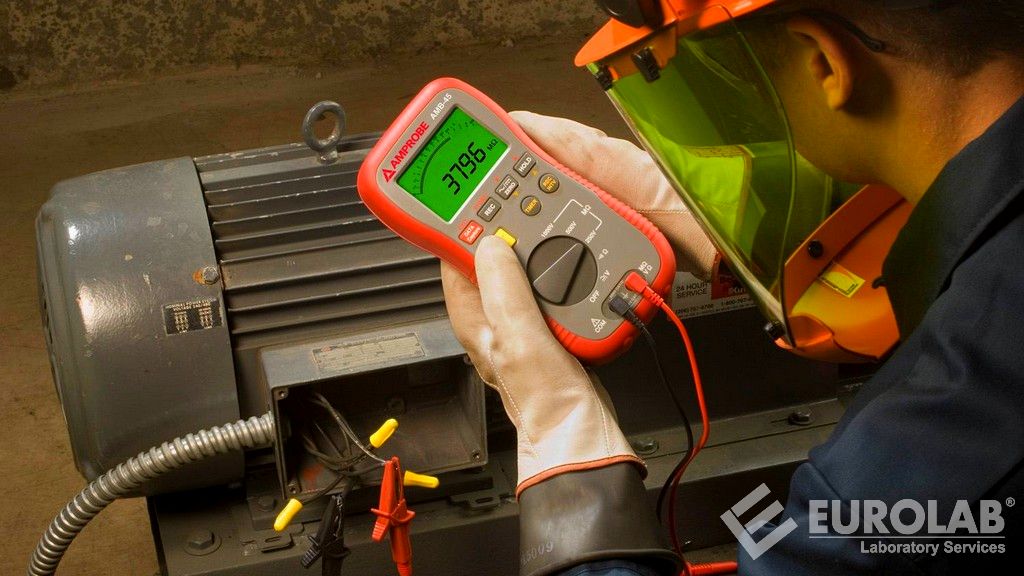
Surface insulation resistance (SIR) is the electrical resistance of the insulating material between a pair of contacts, conductors or grounding devices determined under certain environmental and electrical conditions.
In the world of printed circuit boards and printed circuit assemblies, SIR testing is used to evaluate a product's or process's ability to resist failure through current leakage or electrical short circuits. This testing method is also known as temperature-humidity variance testing. SIR testing is typically performed under high temperature and humidity conditions, such as 85 degrees/85 percent relative humidity and 40 degrees/90 percent relative humidity, by obtaining periodic insulation resistance measurements.
When developing a SIR testing strategy, the product or process chosen for testing helps determine the most appropriate SIR testing method and determine the most appropriate testing tool. In general, the SIR test is commonly used to classify, qualify or compare soldering fluxes or cleaning processes. Regarding cleaning processes, the SIR test is widely used to evaluate unclean soldering.
Generally, the SIR test is used for the following purposes:
Our organization also provides flux - surface insulation resistance (SIR) testing services with its trained and expert staff and advanced technological equipment, among the numerous test, measurement, analysis and evaluation studies it provides for businesses in various sectors.
To get an appointment, to get more detailed information or to request an evaluation, you can ask us to fill in our form and reach you.

