

The standard “EN IEC 61394 Overhead lines - Grease requirements for aluminum, aluminum alloy and steel bare conductors”, developed by the International Electrotechnical Commission (IEC) and later published as a European standard as part of harmonization efforts, describes the requirements and test methods for greases designed to protect exposed overhead conductors from corrosion.
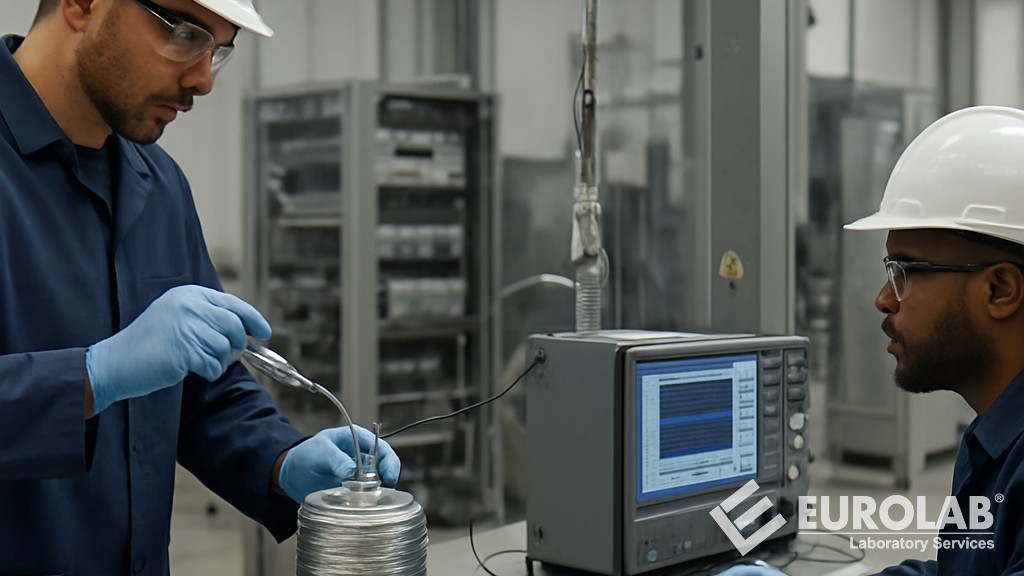
This standard includes requirements and test methods for greases (or similar compounds) specifically designed to provide corrosion protection for bare overhead conductors used in electrical transmission and distribution lines. These conductors typically consist of:
Bare overhead conductors are exposed to harsh environmental conditions (rain, humidity, salt spray, industrial pollution, extreme temperatures) that can cause galvanic corrosion, especially between different metals. Greases help by filling the gaps between the wires, creating a barrier against moisture and oxygen, and remaining stable throughout the conductor's lifespan (including manufacturing, storage, installation, and operation under normal and short-circuit conditions).
The lubricant should have the following properties:
This standard defines two main product types:
The key performance aspects covered are:
Tests are divided into two groups: type tests (for qualification/approval) and sample/routine tests (for quality control during production).
In general, the characteristic features of the tests are as follows:
The annexes to this standard provide detailed normative procedures for specific tests (e.g., acidity/alkalinity method, aging preparation, high temperature and short-circuit stability).
In overhead line design and maintenance, using a grease conforming to the EN IEC 61394 standard helps extend the service life of the conductor, especially in coastal, industrial, or contaminated areas where corrosion accelerates deterioration. Many conductor manufacturers and electricity distribution companies refer to this standard when specifying lubrication requirements for aluminum conductors, steel-reinforced conductors, or similar conductor types.
The EN IEC 61394 standard is necessary because bare overhead conductors, the most common type being aluminum conductors with steel reinforcement, especially in high-voltage transmission and distribution lines, face significant corrosion risks under real-world service conditions. Without standardized, reliable grease protection that meets this standard, conductors can prematurely degrade, leading to shortened service life, mechanical failures, increased maintenance costs, and even downtime or safety hazards.
Bare overhead conductors operate for decades (typically a design life of 40-60 years) exposed to the atmosphere and face the following:
Under extreme conditions (e.g., in heavily polluted or marine environments), unshielded or inadequately shielded aluminum conductors with steel reinforcement have shown significant corrosion in as little as 5-10 years. Pitting in the aluminum, rusting of the steel core, loss of mechanical strength, and ultimately wire fractures or core failure have occurred.
Grease fills the gaps between the wires during production, creating the following physical barrier:
However, not all greases perform the same. Some melt and leak at high temperatures, while others crack, dry out, or become acidic/alkaline. Poor greases can trap moisture or degrade under short-circuit heating.
In short, the EN IEC 61394 standard is a practical safety measure to prevent one of the leading causes of overhead line conductor failure and premature replacement.
For many years, our organization, with its competent and experienced staff, has been understanding the needs of its clients, providing the advanced testing services they require, and assisting them in the establishment, implementation, and improvement of management systems. Within this framework, we also provide testing services compliant with the EN IEC 61394 standard.
To get an appointment, to get more detailed information or to request an evaluation, you can ask us to fill in our form and reach you.

