
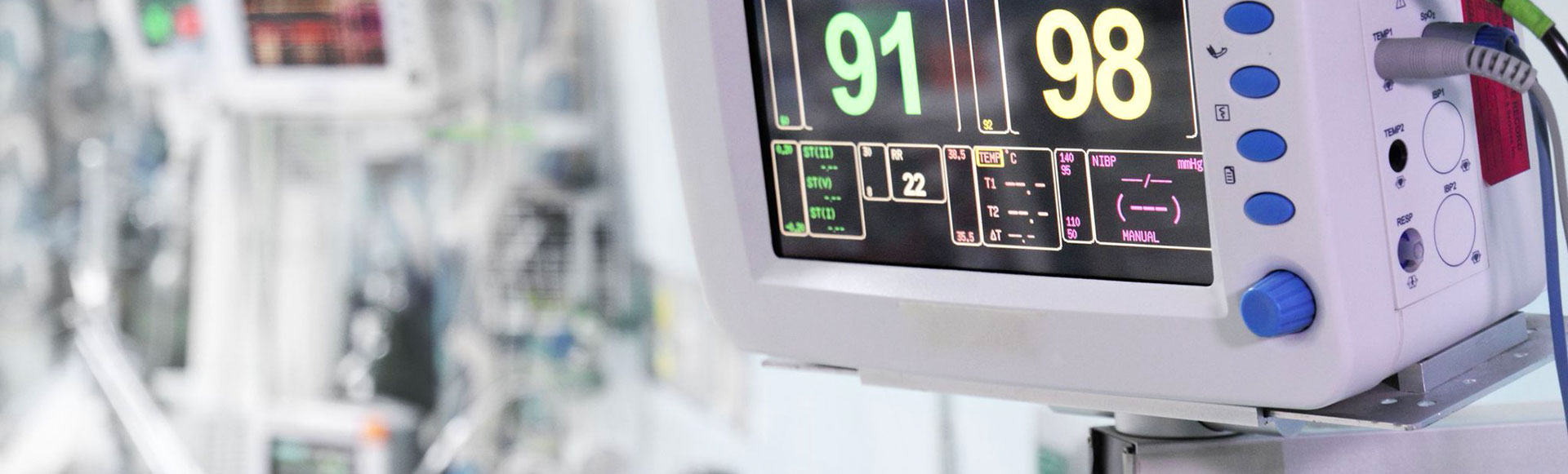
The “ANSI/AAMI EC38 Ambulatory Electrocardiographs” standard, jointly published by the American National Standards Institute (ANSI) and the Association for Medical Device Improvement (AAMI), specifically addresses ambulatory and bedside electrocardiography (ECG) monitors and outlines the requirements for ensuring their functionality, accuracy, and safety. Electrocardiography monitors are used in hospitals, clinics, and home health care settings to monitor patients' heart activity. Given their critical role in the diagnosis and treatment of heart conditions, meeting stringent performance requirements to ensure reliability and patient safety is vital.

In the rapidly evolving world of medical diagnostics, electrocardiography (ECG) remains a fundamental tool for assessing heart health. Ambulatory ECG systems, portable devices that monitor heart rhythms over extended periods, have revolutionized the way clinicians detect arrhythmias, ischemia, and other heart abnormalities in everyday patient settings. However, ensuring these devices are safe, accurate, and reliable is paramount.
The ANSI/AAMI EC38 standard, a key standard defining the basic criteria for ambulatory electrocardiography, has been influential in guiding manufacturers and regulators to date. With recent revisions, this standard is aligned with international norms under the IEC 60601-2-47 standard. Accepted as a consensus standard by the FDA, it forms the basis for the performance evaluation of ECG analyzers and ensures patient safety in out-of-hospital settings.
The ANSI/AAMI EC38 standard applies to ambulatory ECG systems, defined as devices intended to continuously or intermittently record the electrical activity of the heart during a patient's normal activities. This excludes stationary hospital monitors (covered under ANSI/AAMI EC13), but includes Holter monitors, event recorders, and modern patch-based wearable devices.
This standard covers:
This standard is particularly vital for FDA 510(k) applications, as compliance demonstrates substantial equivalence with essential devices.
The ANSI/AAMI EC38 standard mandates a multifaceted device validation approach that essentially blends hardware reliability with software accuracy. Its key elements are as follows:
The ANSI/AAMI EC38 standard essentially defines minimum safety and performance thresholds for ambulatory ECG systems. These devices, often referred to as Holter monitors or ambulatory electrocardiographs, are designed for long-term use, typically 24 to 48 hours, to capture heart activity during normal routines.
This standard applies to all elements of the system relating to the following:
This standard focuses specifically on systems that provide comprehensive and continuous monitoring, excluding systems that are not intermittent.
Safety is a key consideration, addressing requirements such as electrical hazards, electromagnetic compatibility (EMC), and mechanical integrity. Devices must withstand environmental influences such as motion-induced disturbances and provide low leakage current values to prevent electric shocks. Alarm systems must alert users to critical events such as arrhythmias with clear audible and visual indications.
Performance standards require high-accuracy ECG generation with amplitude, frequency response, and noise suppression tolerances. Automated algorithms for rhythm detection and ST segment measurement need to be validated using standardized databases. This standard ensures that sensitivity and specificity measurements meet clinical thresholds by referring to the ANSI/AAMI EC57 standard for detailed test protocols for these algorithms.
The following elements work together to enable devices to deliver actionable, reliable data:
EC38 compliance involves multifaceted testing, often utilizing open-source tools. Manufacturers must demonstrate the following:
The FDA considers this standard a consensus standard that facilitates pre-market approvals for Class II devices under 510(k) pathways.
For many years, our organization, with its competent and experienced staff, has been understanding the needs of its clients, providing the advanced testing services they require, and assisting in the establishment, implementation, and improvement of management systems. Within this framework, we also provide testing services to businesses in accordance with the "ANSI/AAMI EC38 Standing Electrocardiograms" standard.
To get an appointment, to get more detailed information or to request an evaluation, you can ask us to fill in our form and reach you.

