
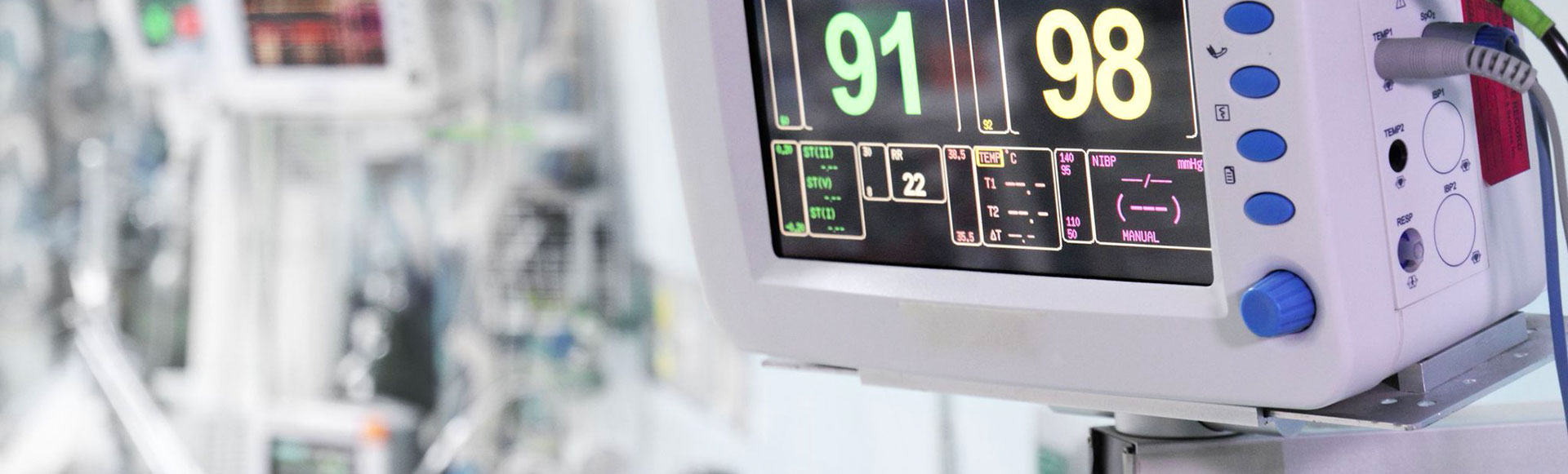
Medical devices that come into contact with circulating blood usually require a compatibility assessment and we offer multiple test types depending on your product and your data requirements. These are Hemolysis (Material and Mechanically Induced), PTT, Complement Activation and In Vivo Thrombogenicity. These tests comply with ISO 10993 biocompatibility guidelines.
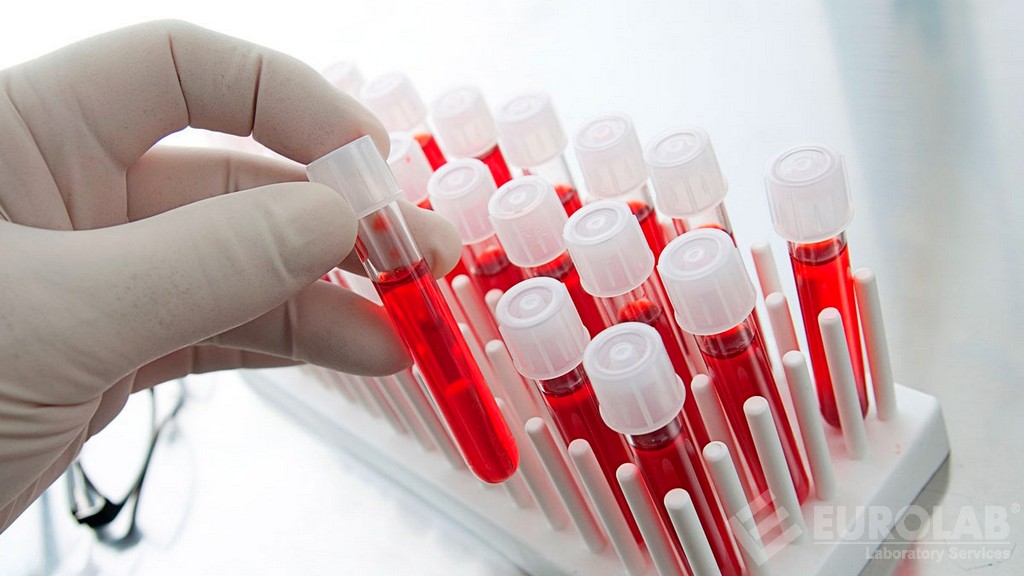
The hemolysis test is designed to determine the hemolytic properties of a medical device material with direct or indirect blood contact and meets the hematological testing requirements for the selection of tests for interactions with blood. EUROLAB, tests with fresh human blood instead of rabbit blood. EUROLABoffers testing systems that evaluate both biochemical factors (Material-Induced Hemolysis) and mechanical forces (Mechanical-Induced Hemolysis).
The Partial Thromboplastin Time (PTT) test is a general screening test for detecting clotting abnormalities in the internal pathway. This test is performed on medical device materials that come into direct contact with circulating blood.
Complement Activation testing is used to determine the potential for activation of the complement system by a medical device. This humoral immune response can result from the introduction of a foreign substance into the body and can lead to adverse effects such as inflammation and tissue damage. This test is designed to meet the immunology testing requirement for selecting tests for interactions with blood. EUROLABinvolves assessing SC5b-9 production at assay time points to look at possible levels of activation over time.
In vivo thrombogenicity test is comparatively determined for medical devices that will contact thrombo-resistant blood. This test allows manufacturers to see if medical devices are causing undesirable effects on humans, such as platelet activation, thrombus formation, embolism, or damage to cells.
ASTM F756 Hemolysis procedure is designed to determine the hemolytic properties of the test product. The procedure involves exposing the test material or material extract to a blood cell suspension and then determining the amount of hemoglobin released. The test is done using citrated human blood.
ASTM F 756 and FDA recommend that both test methods (extract and direct contact) be performed unless material application or contact time justifies the exclusion of one of these points. If performing an extraction test, please include the extraction parameters when submitting your samples.
This Hemolysis procedure is designed to provide an assessment of blood cell lysis caused by a medical device under dynamic testing conditions and evaluates factors such as blood flow rate, turbulence and non-physiological shear. EUROLABcan design a test system that mimics simulated use of a medical device. Mechanically induced hemolysis tests can be designed to evaluate medical devices using circulating blood loops or in single-pass tests.
The Inactivated Partial Thromboplastin Time (PTT) is designed to detect material-mediated effects of the intrinsic coagulation pathway by expressing the test substance in platelet weak citrate plasma. Then the calcium chloride solution is added after PTT reagent is added. The time elapsed before clot formation is monitored and recorded. Evaluation of coagulation times is made using statistical comparisons with controls.
The Complement Activation test is designed to determine the activation potential of the complement system by a medical device. The test is performed by incubating the test product and loading it directly in human serum and is then commercially tested for the presence of the complement protein SC5b-9 using Enzyme Immunoassay (EIA) kits. Analysis of variance (ANOVA) is used to compare the test population and averaged devices and is used to determine if there are statistically significant differences in the mean populations.
Testing in vivo thrombogenicity in vivo thrombogenicity generates safety data for a blood contact device. Medical device interactions that come into contact with blood while in use may have potentially unwanted effects on humans. This test is designed to determine the comparative thrombosis resistance of a medical device designed for blood contact by implanting the test product into the venous system of a dog study model. Its performance is then compared with a suitable negative control device.
EUROLAB, with its highly expert team and internationally accredited laboratories, Hemocompatibility Tests It performs all test, analysis, measurement, evaluation and report generation services completely and reliably.
To get an appointment, to get more detailed information or to request an evaluation, you can ask us to fill in our form and reach you.

