

Scientific research supports that face masks save lives during the pandemic, but the debate still continues. In general, face masks are a ubiquitous symbol of a pandemic that has sickened and even killed millions of people.
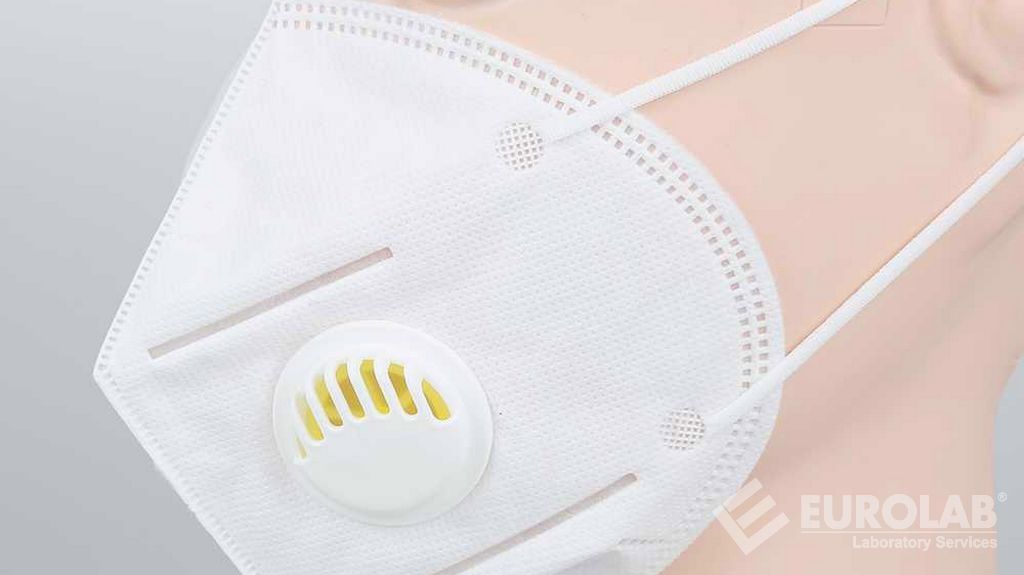
The use of medical grade masks in hospitals and other healthcare facilities clearly reduces the transmission of the virus. However, the fact that the masks used by the public are produced in such a variety is somewhat confusing. Data in this direction are very scattered and diverse, and often unsystematicly aggregated.
Despite everything, scientific studies support the use of masks and show that they can save lives. Masks reduce the possibility of both transmitting and catching the virus. Some studies have even shown that masks can reduce the severity of the virus's infection.
During the current pandemic period, there are many types of masks used in different environments. People are still hesitant about being willing to use these masks or using them correctly.
Standard masks for use by healthcare professionals are N95 respirators. These masks are medical equipment that filters 0,3 percent of airborne particles 95 micrometers and larger and are designed to protect workers in this way. However, as the pace of the pandemic increased, so did the debate about the masks used by people on the street.
Do simple surgical masks or cloth masks protect these people? If so, under what conditions? It is necessary to rely on the observational and laboratory studies of scientists. Studies show that the pandemic is largely airborne, and masks are largely protective. Wearing a mask is clearly considered a good idea for protection.
At this point, it is important that the masks are produced in accordance with the standards and detailed mask control tests are carried out in advanced laboratories. N95 respirators, which fit well on the face, provide 95 percent protection and filter incoming aerosols down to 0,3 micrometers. N95 masks, without exhalation valves that expel unfiltered exhaled air, block egress at a similar rate.
It is estimated that cloth masks used by people on the street, other than healthcare workers, are nearly 70 percent effective in protecting the user. Meanwhile, multiple layers of fabric are more effective, and the tighter the knit, the more effective protection it provides. For example, masks with layers made of different materials, such as cotton and silk, trap aerosols more efficiently than those made from a single material.
Our organization also provides mask control testing services with its trained and expert staff and advanced technological equipment, among the numerous test, measurement, analysis and evaluation studies it provides for businesses in various sectors.
To get an appointment, to get more detailed information or to request an evaluation, you can ask us to fill in our form and reach you.

