

Medical Analysis
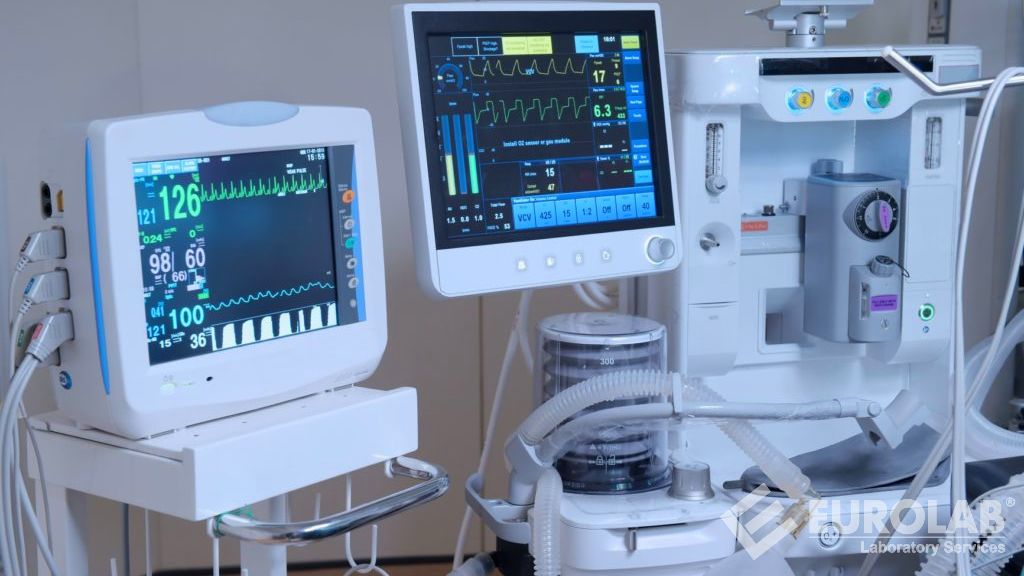
Medical analyses are one of the fastest-growing areas in healthcare. Medical tests help detect a condition, make a diagnosis, plan treatment, check whether treatment is working, or monitor the condition over time. Healthcare professionals request these tests as part of routine examinations to check for specific diseases and disorders or to monitor human health. A wide range of tests and analyses are performed within this scope, from allergy blood tests and allergy skin tests to antibiotic sensitivity tests, bacterial culture tests, bone density scans, cholesterol levels, lactose tolerance tests, hearing tests for adults and children, blood pressure measurements, obesity screening and stress tests, and medication monitoring for treatment purposes.
After all, medical testing and analysis is a medical process to detect, diagnose and monitor diseases, disease processes, susceptibility, or to determine a course of treatment. Medical analyzes such as physical and visual examinations, diagnostic imaging, genetic testing, chemical and cellular analyzes related to clinical chemistry and molecular diagnostics are typically performed in a medical setting.
Medical analyzes are generally grouped as diagnostic, screening and follow-up analyzes according to their purposes:
Medical analyzes can also be classified into different broad groups. Namely,
Electromagnetic Compatibility in Medical Devices
Electromagnetic compatibility is the ability of a medical device to operate safely and effectively in its intended electromagnetic environment, without creating excessive disturbances or causing interference (which may interact with other equipment). In this context, immunity should be defined as the ability of a medical device to withstand the influence of various electromagnetic disturbances, for example radio frequency disturbances, electrostatic discharge, power surges and the like. Electromagnetic compatibility (EMC) considerations are important because in some cases these interferences can affect the normal operation of the medical device and pose a hazard to the health of the patient. Emission limits need to be enforced to minimize interference.
Appropriate requirements are set by the international series of standards for medical devices (IEC 60601 Electrical medical equipment, IEC 60801 Electromagnetic compatibility for industrial process measuring and control equipment, and IEC 60101 Safety requirements for electrical equipment for measurement, control and laboratory use). These standards cover a wide range of hazards, including electrical, mechanical and radiation, among others, and are used in most applications to demonstrate the conformity of the medical device in question with applicable requirements. In addition, these standard groups cover a large number of device-specific standards that include certain types of medical devices. Moreover, some standards regarding active implantable medical devices also address electromagnetic compatibility issues.
Low Voltage in Medical Devices
Low-power electronics used in the medical field include devices such as implantable pacemakers, cardiac defibrillators, implantable neurological stimulators, implantable muscle stimulation devices, hearing aids, bone conduction amplifiers, tinnitus blockers, and cochlear implants. Of these devices, pacemakers and hearing aids are the most widely used types and have the largest market share. Advances in electronic technology in both pacemakers and hearing aids are leading to significant performance improvements.
The IEC 60601-1 standard (Medical electrical equipment - Part 1: General requirements for basic safety and basic performance), published by the International Electrotechnical Commission (IEC), consists of a set of standards and is a widely accepted criterion for electrical medical equipment. Compliance with this standard has become a requirement for the commercialization of electrical medical equipment in many countries.
In terms of low voltage safety, power supplies designed for use with medical equipment must comply with the internationally accepted safety standard IEC 60601-1. This standard specifically covers applications where the patient is physically connected to the equipment. As clinical personnel will operate the connected equipment, they are also covered by the specification. The standard in question covers not only the power supply unit itself, but also the equipment it powers. The requirement applies to the entire system.
Sterility in Medical Devices
Medical devices are sterilized in a wide variety of ways, including moist heat (steam), dry heat, radiation, ethylene oxide gas, evaporated hydrogen peroxide, and other sterilization methods, such as chlorine dioxide gas, evaporated peracetic acid, and nitrogen dioxide. Ethylene oxide sterilization is an important sterilization method that manufacturers commonly use to keep medical devices safe.
For many medical devices, sterilization with ethylene oxide is accepted as the only method that effectively sterilizes the device and does not damage the device during the sterilization process. Medical devices made of certain polymers (plastic or resin), metals or glass, or with multiple layers of packaging or hard-to-reach places are also often sterilized with ethylene oxide. About fifty percent of all sterile medical devices in the United States are sterilized with ethylene oxide. Types of devices sterilized by ethylene oxide range from devices used in general health care practices to more specialized devices used to treat specific parts of the body.
Biocompatibility in In Vitro Medical Devices
Biocompatibility, by definition, is a measurement of how compatible a device or material is with a biological system. In the ISO 10993-1 standard, biocompatibility is defined as the ability of a medical device or material to perform with an appropriate host response in a given application (ISO 10993-1 Biological evaluation of medical devices - Part 1: Evaluation and testing within a risk management process).
This standard includes:
This standard applies to the evaluation of materials and medical devices that are expected to come into direct or indirect contact with:
This standard applies to the biological evaluation of all types of medical devices, including active, inactive, implantable and non-implantable medical devices. This standard also provides guidelines for the assessment of biohazards arising from:
Briefly, in vitro biocompatibility tests have been developed to simulate and predict biological reactions to materials when placed in tissues in the body. Biocompatibility is a general expression that describes the ability of a material to be compatible with living tissue. Biocompatible materials do not induce a toxic or immunological response when exposed to the body or body fluids. Biocompatible materials are of great importance for use in medical implants and prostheses to prevent rejection by body tissue and support compatible biological functioning.
Stability in Medical Devices
The medical device stability test is performed to determine to what extent a device preserves the same properties it had during production, within the specified limits, during its storage and usage period. Similar to pharmaceutical products, there are a number of criteria for evaluating the stability of medical devices. For example,
Medical device stability testing is especially needed to determine the shelf life of the product. This test method is used to identify weak links to a product. The influence of high and low temperature and vibration accelerate failure modes more than normal testing approaches. This test is not a pass/fail test. It creates the ability to learn more about the product's design and material limitations, and provides opportunities for continuous improvement of the design before marketing the product.
Stability tests generally include separate test methods such as high temperature step voltage, low temperature step voltage, vibration step voltage, rapid thermal cycling and combined environment. In general, shelf life is determined using two types of stability tests: real-time stability testing and accelerated stability testing.
Our organization also provides medical analysis services with its trained and expert staff and advanced technological equipment, among the numerous test, measurement, analysis and evaluation studies it provides for businesses in various sectors.
To get an appointment, to get more detailed information or to request an evaluation, you can ask us to fill in our form and reach you.

