

EN ISO 5366, a European standard subsequently published by the International Organization for Standardization (ISO), specifies the requirements for adult and pediatric tracheostomy tubes and connectors. These tubes are primarily intended for patients requiring anesthesia, artificial ventilation, or other respiratory support.
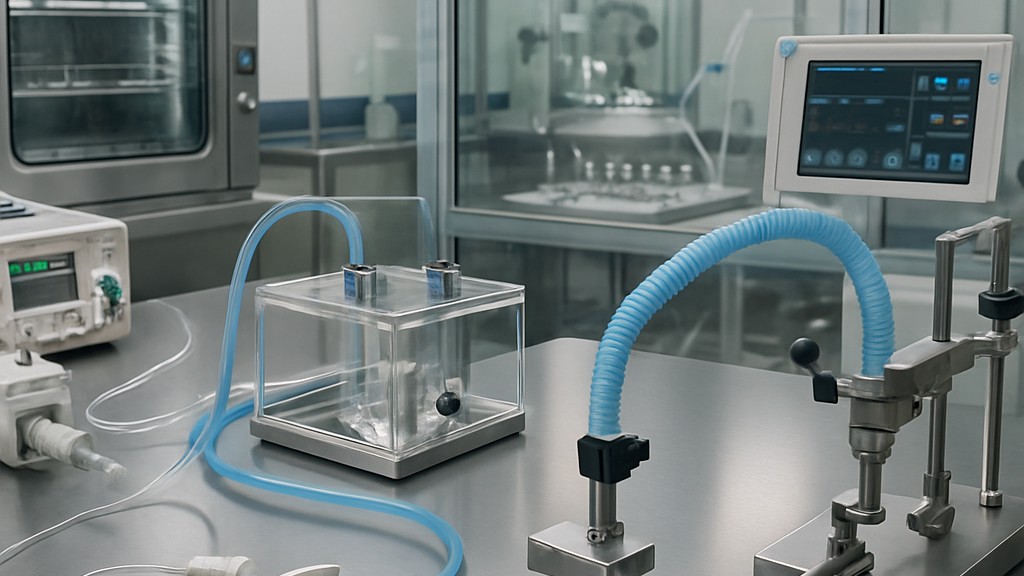
This standard also applies to special tracheostomy tubes with common features, such as tubes designed for spontaneously breathing patients, tubes with reinforced walls or metal without a connector at the machine end, or tubes with shoulders, tapered tubes, and tubes suitable for suctioning or monitoring, or for the administration of drugs or other gases.
The flammability of tracheostomy tubes is a well-known hazard that is addressed by appropriate clinical management and is beyond the scope of this standard (e.g., when electrosurgical units or lasers are used with flammable anesthetic agents in oxidant-rich atmospheres).
This standard provides the basic requirements for the design of cuffed and uncuffed tracheostomy tubes and connectors. These devices are designed to be inserted through a stoma in the trachea to carry gases and vapors into and out of the trachea. Cuffed devices are designed to protect the trachea from aspiration and to maintain an obstruction-free airway in patients during short- or long-term spontaneous, assisted, or controlled ventilation. Specialized tubes with metal or nylon reinforced walls, shouldered tubes, tapered tubes, tubes suitable for aspiration, monitoring, or administration of medications or other gases, and many other types of tracheostomy tubes designed for specialized applications are included in this specification because many specialized tracheostomy tubes are in common use today and all share the same basic requirements defined in this standard.
This method of defining tube sizes and configurations was developed to help clinicians select the most appropriate tube for a particular patient's anatomy. Size is determined by the internal dimension, which is important because of its relationship to gas flow resistance. Because stoma and tracheal dimensions are also important factors in tracheostomy tube selection, it is important to inform the user of the external dimension of each tube size. Cuffed tracheostomy tubes can be characterized by a combination of the internal and external dimensions of the tube and the cuff diameter.
Safety, consistency, and interoperability are critical in the medical device arena. The ISO 5366 standard plays a vital role in ensuring these principles are adhered to in the design and use of tracheal tubes and connectors. This standard includes requirements for tracheal tubes, primarily used for airway management during anesthesia and intensive care.
This standard ensures that tracheal tubes, whether oral or nasal, cuffed or uncuffed, meet stringent specifications to ensure patient safety and clinical effectiveness. The connectors associated with these tubes must also meet defined dimensions to ensure compatibility with other medical equipment, such as ventilators and breathing systems.
This standard specifies the internal and external diameters of tracheal tubes. Tube length is determined by patient size (e.g., adult or pediatric). Standard connectors (usually 15 mm or 22 mm) are specified to ensure compatibility with breathing circuits.
This standard requires that the materials used in tubes and connectors have the following properties:
In this way, the products are ensured to be safe in case of long-term contact with human tissue and respiratory tract.
This standard for cuffed tracheal tubes outlines the following performance criteria:
All tubes must be clearly labeled, including the following information:
This allows clinicians to quickly and accurately determine the correct tube.
Tracheal tubes must be supplied in sterile packaging and labeled accordingly. The packaging must protect the product from contamination and damage before use.
The latest update of this standard focuses on:
The ISO 5366 standard is important because it directly impacts patient safety, clinical effectiveness, and equipment compatibility in airway management, especially in critical situations such as surgery, emergency care, and intensive care. The key reasons for this standard's importance are:
Consequently, the ISO 5366 standard is the cornerstone of safety and standardization in airway management. By defining detailed requirements for tracheal tubes and connectors, it helps ensure that medical devices are effective, compatible, and safe for patient use. Healthcare providers and medical device manufacturers must understand and comply with this standard to maintain a high level of clinical care and regulatory compliance.
Our organization, which has been operating for many years and meticulously follows global developments in science and technology, employs a team of experienced professionals and a broad infrastructure to conduct testing, measurement, and analysis in a wide range of areas for businesses across all sectors. In this context, we also provide testing services in accordance with the EN ISO 5366 Anesthesia and respiratory equipment - Tracheostomy tubes and connectors standard.
To get an appointment, to get more detailed information or to request an evaluation, you can ask us to fill in our form and reach you.

