

ISO 10079-2 Part 2: Manually Operated Medical Suction Equipment
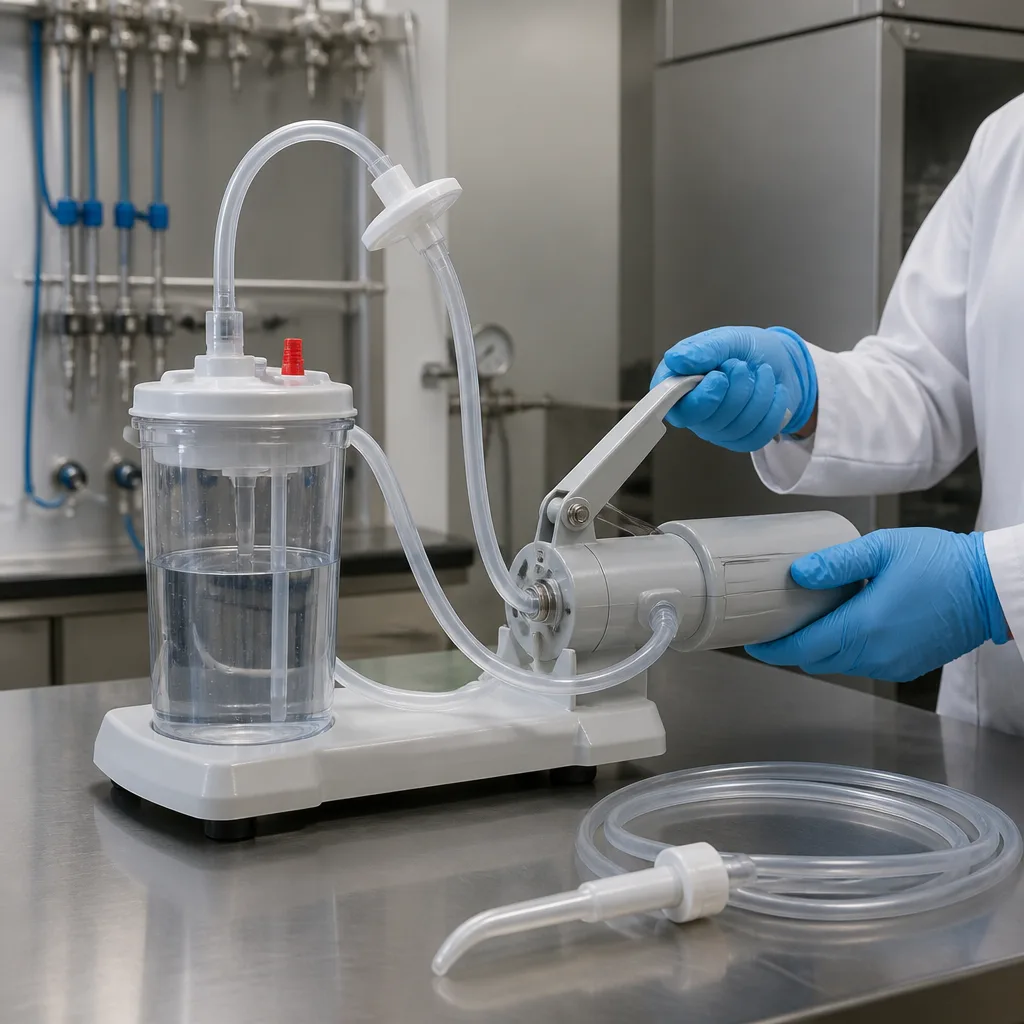
The ISO 10079-2 Medical suction equipment - Part 2: Manually operated suction equipment standard, published by the International Organization for Standardization (ISO), describes the safety and performance requirements for manually operated suction equipment used for fluid removal from the mouth and throat. This standard applies to equipment operated by foot, hand, or both.
The most common use of manually operated suction devices is in situations outside of healthcare settings, typically defined as field use or transport use. In these situations, use may involve extreme weather or terrain conditions. Additional/alternative requirements for manually operated suction equipment designed for field or transport use are included in this standard. This standard does not apply to mucus aspirators.
The ISO 10079-2 standard focuses specifically on devices designed for oro-pharyngeal aspiration, commonly used in emergency medical care, home care, ambulances, and clinical settings where electrical power is unavailable. This standard applies to:
This standard does not cover electrically operated, gas-operated, or centrally operated extraction systems. These systems are covered in other parts of the ISO 10079 series of standards.
This standard sets rigorous criteria in various fields:
Key technical considerations include:
In healthcare settings, manually operated suction devices are vital as backup or primary tools in the following situations:
Compliance with the ISO 10079-2 standard ensures that these life-saving devices are reliable, safe, and effective in situations where power sources are limited. Many regulatory bodies recognize or comply with this standard.
The standards related to this standard are as follows:
In short, ISO 10079-2 is an international standard that specifies the safety and performance requirements for manually operated medical aspiration devices used for oro-pharyngeal aspiration. This standard applies to hand, foot, or a combination of both operated aspiration devices and is particularly important for emergency, field, transport, and disaster response settings where electrical power may be unavailable.
This standard is part of the broader ISO 10079 series of standards covering medical suction equipment:
This standard specifies the requirements for manually operated suction devices designed to remove fluids, secretions, or foreign objects from a patient's airway, particularly in oropharyngeal applications. This standard covers the following:
However, this standard does not apply to:
The basic requirements are defined in this standard as follows:
One of the most important aspects of this standard is its focus on field and transport applications. Hand-operated suction equipment is frequently used in the following situations:
Therefore, this equipment may include the following:
For example, this standard includes provisions relating to submersion resistance and environmental durability, especially for equipment designed for field or transport use. Manufacturers must provide clear documentation covering the following:
Proper documentation helps healthcare professionals and emergency response teams use equipment correctly and safely.
The ISO 10079-2 standard is important because it helps ensure that hand-operated suction devices remain effective in situations where electrically powered suction systems are unavailable. Airway obstruction can rapidly become life-threatening, and reliable aspiration equipment is critical in emergency medicine.
This standard provides:
The sectors that use the ISO 10079-2 standard are as follows:
For many years, our organization, with its competent and experienced staff, has been understanding the needs of its clients, providing the advanced testing services they require, and assisting them in the establishment, implementation, and improvement of management systems. Within this framework, we also provide testing services compliant with the ISO 10079-2 standard.
To get an appointment, to get more detailed information or to request an evaluation, you can ask us to fill in our form and reach you.

