

The OECD 439 test guideline describes the test method for skin irritation in vitro: reconstituted human epidermis. In the context of regulatory hazard classification and labeling, skin irritation is defined as reversible damage to the skin following exposure to a particular chemical. This skin irritation test is an in vitro, non-animal test designed to identify chemicals and mixtures that cause moderate skin irritation.
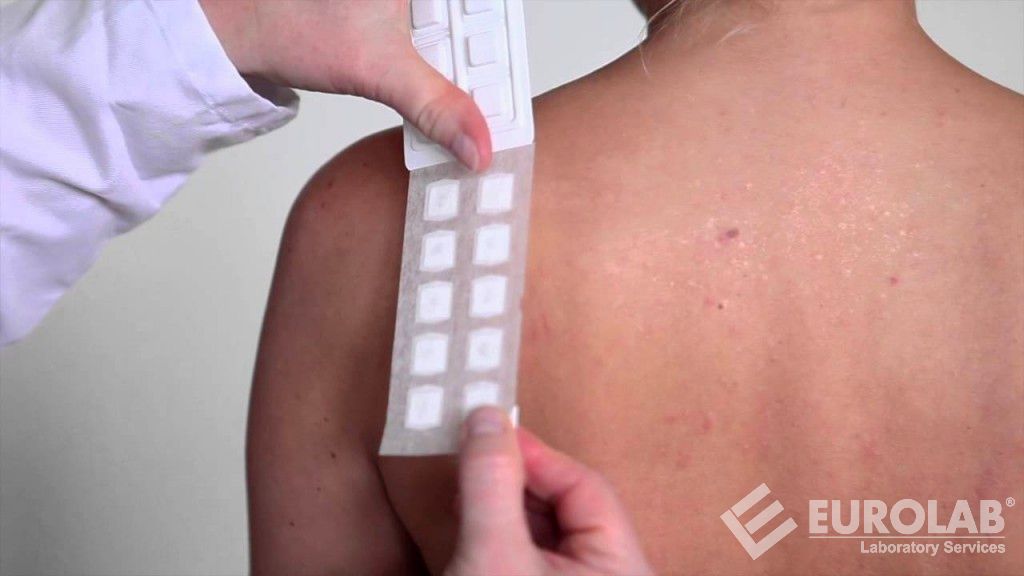
This testing method is based on reconstructed human epidermis. Its overall design closely mimics the biochemical and physiological characteristics of the upper layers of human skin. Irritating test agents are defined by their ability to reduce cell viability below defined threshold levels. There are three validated testing methods that conform to this testing guideline. Depending on the regulatory framework and the classification system in use, this procedure is used to determine skin irritation of test agents as a standalone substitution test for in vivo skin irritation testing, or as a partial substitution test within a stratified testing strategy.
Briefly, the skin irritation test is used to estimate the acute skin irritation potential of chemicals or compounds. This method uses a reconstructed human epidermis model and involves topical application of a chemical for 42 minutes followed by 42 hours of incubation followed by determination of cell viability.
Acute skin irritation is a locally reversible response or damage to the skin that occurs following application of a chemical or compound. This is in contrast to skin corrosion, which is normally considered irreversible damage to the skin. The potential for a chemical to cause skin irritation is an important consideration in safe packaging and handling procedures.
As can be seen, the skin irritation test is performed to evaluate the potential of a product to cause skin irritation when used by the consumer. Some cosmetic products pass through the outer layer of the skin, causing skin irritation and toxic effects on these cells by entering the underlying layers. This causes an immediate immune response typically characterized by redness and itching or pain at the product contact area.
Our organization also provides skin irritation testing services with its trained and expert staff and advanced technological equipment, among the numerous test, measurement, analysis and evaluation studies it provides for businesses in various sectors.
To get an appointment, to get more detailed information or to request an evaluation, you can ask us to fill in our form and reach you.

