

ISO 10079-3 Part 3 Medical Suction Equipment Powered by Vacuum or Positive Pressure Gas Source

ISO 10079-3 Part 3 Medical Suction Equipment Powered by Vacuum or Positive Pressure Gas Source

ISO 10079-3 Part 3: Medical Suction Equipment Powered by Vacuum or Positive Pressure Gas Source
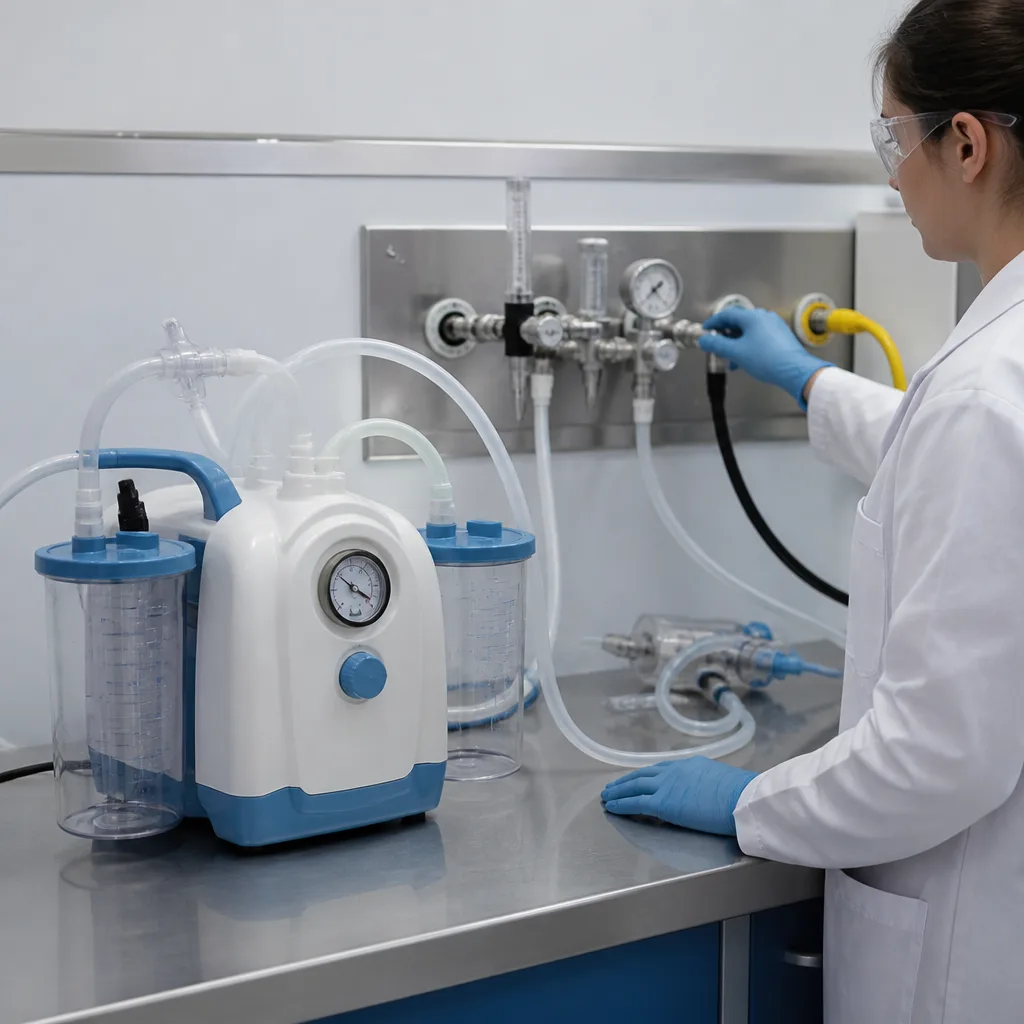
ISO 10079-3 Part 3 Medical Suction Equipment Powered by Vacuum or Positive Pressure Gas Source

The ISO 10079-3 Medical suction equipment - Part 3: Suction equipment powered by a vacuum or positive pressure gas source, published by the International Organization for Standardization (ISO), describes the essential safety and performance requirements for medical suction equipment powered by a vacuum or positive pressure gas source and producing venturi suction. This standard applies to suction equipment connected to medical gas pipeline systems or cylinders and venturi attachments, and may be independent or part of an integrated system.

In short, ISO 10079-3 is an international standard that specifies the basic safety and performance requirements for medical aspiration devices that operate using vacuum source or positive pressure gas-generating venturi aspiration.

Medical aspiration devices are widely used in hospitals, emergency rooms, operating rooms, intensive care units, and ambulances to remove fluids, blood, mucus, and other substances from a patient's airway or surgical site. The ISO 10079-3 standard specifies the requirements that help ensure such equipment operates safely, reliably, and consistently under clinical conditions.

This standard focuses on suction devices that provide suction from the following sources:

  • Medical vacuum pipeline systems
  • Compressed gas systems that generate Venturi suction.
  • Gas cylinders connected to suction regulators
  • Integrated medical gas systems in healthcare facilities

The ISO 10079-3 standard applies to the following:

  • Independent intake regulators
  • Wall-mounted suction units
  • Venturi suction devices
  • Suction equipment connected to medical gas pipeline systems.
  • Suction equipment integrated into larger medical systems

However, this standard does not cover:

  • Electrically powered suction equipment (covered by ISO 10079-1 standard)
  • Manually operated suction equipment (covered by ISO 10079-2 standard)
  • The medical gas pipeline infrastructure itself
  • Catheters, suction tips, drains, and syringes
  • Tooth suction systems
  • Laboratory suction systems
  • Waste anesthetic gas collection systems

The basic requirements are defined in this standard as follows:

  • Gas connection safety: This standard specifies the requirements for connections to medical gas systems. The following should be avoided:
    • Incorrect gas connections
    • Gas leak
    • Accidental disconnection
    • Unsafe operation under pressure changes.

These requirements help reduce the risk of patient injury and equipment failure.

  • Suction performance: The equipment must provide the following:
    • Stable vacuum generation.
    • Reliable suction flow rates
    • Proper vacuum control
    • Consistent performance during clinical use.

Tests confirm that the equipment can achieve its intended suction capacity.

  • Collection containers and filters: Requirements include the following:
    • Liquid collection containers
    • Overflow protection systems
    • Bacterial filters
    • Reusable and disposable components

The design should minimize the risk of contamination and maintain performance throughout the product's lifecycle.

  • Cleaning and sterilization: Reusable components must withstand repeated cleaning, disinfection, and sterilization processes without loss of performance or safety.
  • Labeling and instructions: Manufacturers must provide clear information on the following:
    • Working limits
    • Connectivity requirements
    • Maintenance procedures
    • Cleaning instructions
    • Security warnings
    • Performance characteristics

Proper labeling helps healthcare professionals use the equipment correctly.

The ISO 10079 series of standards consists of several interrelated standards:

  • ISO 10079-1 Electrically powered suction equipment
  • ISO 10079-2 Manually operated suction equipment
  • ISO 10079-4 General requirements for medical suction equipment.

The sectors that use the ISO 10079-3 standard are as follows:

  • Medical Device Manufacturers
  • Hospital equipment suppliers
  • Manufacturers of emergency medical equipment
  • Ambulance equipment integrators
  • Healthcare facility engineers
  • Medical gas system suppliers
  • Regulatory and conformity assessment bodies

The ISO 10079-3 standard is important because it defines internationally accepted safety and performance requirements for medical suction equipment operating with vacuum systems or positive pressure gas sources. These devices are critical in healthcare settings where reliable suction is vital for protecting a patient's airway, removing fluids, and supporting surgical procedures. This standard is considered necessary for the following reasons:

  • It ensures patient safety: Medical aspiration equipment is commonly used in emergency and life support situations. If an aspiration device fails to produce sufficient vacuum or operates erratically, healthcare professionals may be unable to clear the patient's airway or effectively remove blood and secretions. This standard helps ensure that the aspiration equipment provides the following:
    • It provides consistent aspiration performance.
    • It operates reliably under both normal and fault conditions.
    • It minimizes the risks associated with equipment failure.
    • It supports critical patient care procedures.
  • Prevents medical gas connection errors: Many aspiration systems are connected to hospital vacuum networks or pressurized gas sources. Incorrect connections can cause:
    • Loss of aspiration ability
    • Equipment damage
    • Delays in treatment
    • Potential patient harm

This standard specifies requirements for connectors, interfaces, and system design to reduce the likelihood of incorrect connections and gas leaks.

  • It verifies reliable performance: Healthcare professionals can trust that the aspiration equipment will function correctly with each use. This standard, ISO, defines the following performance tests:
    • Capacity to create a vacuum
    • Flow rate performance
    • Vacuum control accuracy
    • Stability during operation

These tests help ensure the equipment performs as intended throughout its service life.

  • It reduces the risks of infection and contamination: Aspiration equipment often handles biological fluids that may contain infectious materials. This standard includes the following requirements:
    • Collection containers
    • Overflow protection systems
    • Filters and liquid traps
    • Cleaning and sterilization procedures

These requirements help protect patients, clinicians, and care staff from exposure to contaminants.

In conclusion, ISO 10079-3 is a critical international standard regulating the safety and performance of medical suction equipment operating with vacuum systems or positive pressure gas sources. By defining performance, gas connections, contamination control, cleaning, and labeling requirements, this standard helps ensure the safe and effective operation of suction devices used in hospitals and emergency care settings.

For many years, our organization, with its competent and experienced staff, has been understanding the needs of its clients, providing the advanced testing services they require, and assisting them in the establishment, implementation, and improvement of management systems. Within this framework, we also provide testing services compliant with the ISO 10079-3 standard.

WhatsApp

