

The standard "EN ISO 6717 In vitro diagnostic medical devices - Disposable containers for the collection of human samples other than blood", which has its basis in a European standard and was subsequently published by the International Organization for Standardization (ISO), describes the requirements and test methods for special disposable evacuated and non-evacuated containers designed by manufacturers for the primary containment and protection of samples other than blood obtained from the human body for in vitro diagnostic examination. This standard is not intended to cover sample containers for forensic investigations.
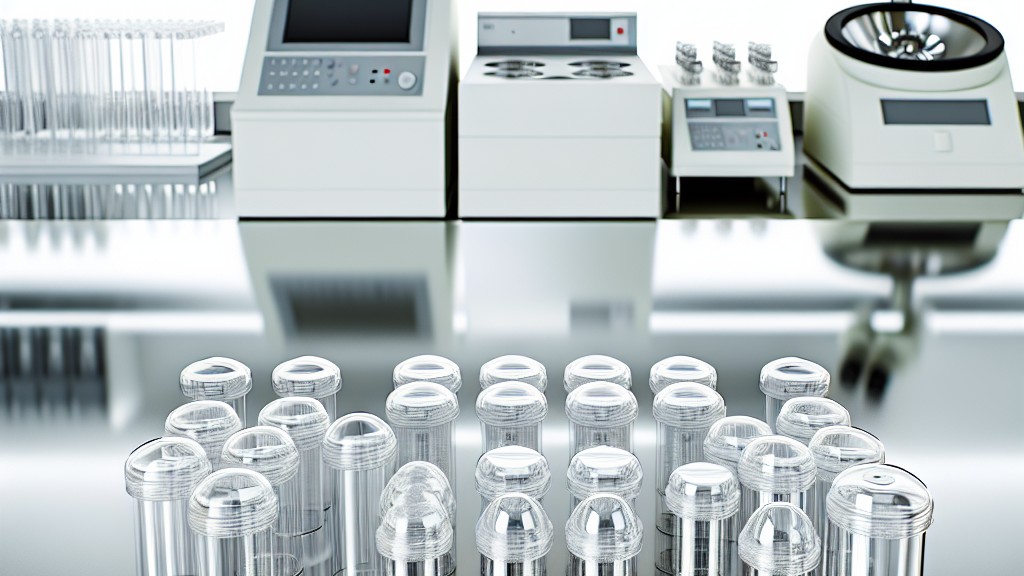
Examples of such samples include, but are not limited to, cerebrospinal fluid, feces, infected body fluids, saliva, ejaculate, sputum, urine, and tissue samples. Specifically excluded samples and types of devices are special containers for cryopreservation, nucleic acid test samples, and swabs.
Requirements and test methods for evacuated and non-evacuated single-use human venous blood sample collection containers are included in the standard “ISO 6710 Disposable containers for human venous blood sample collection”.
Incidentally, this standard does not specify requirements for auxiliary devices used with sample containers.
For the purposes of this standard, the following terms and definitions apply:
If the intended use requires visual inspection of the contents of the chamber, the chamber should be constructed of material that allows the contents to be clearly seen upon visual inspection, unless exposure to ultraviolet or visible light may degrade the contents.
If the container is not made of material from which the contents are clearly visible, the lid may be removed to facilitate inspection of the contents.
If a vessel is intended for the determination of a specific element or substance, for example trace elements, the maximum level of the element or substance in the interior of the vessel and the analytical method used should be specified by the manufacturer in the instructions for use or on the label or packaging.
For the determination of specified metals and other specified substances, the formulation of the covering material must be such that it does not interfere with the determination and therefore does not affect the results.
For very sensitive determinations or certain investigations (e.g. those using fluorimetry) or infrequently used tests, intervention limits may not be agreed upon. In such cases, the laboratory should set a blank value or determine the suitability of the container for the investigation or consult the manufacturer.
Our organization has a strong staff that closely follows the developments in science and technology in the world and constantly improves itself. Among the numerous test, measurement, analysis and evaluation studies provided for businesses in various sectors, there are also test services in accordance with the standard “EN ISO 6717 In vitro diagnostic medical devices - Disposable containers used to collect samples other than blood from humans”.
To get an appointment, to get more detailed information or to request an evaluation, you can ask us to fill in our form and reach you.

