

The standard "ASTM F3087-15 Standard specification for acrylic molding resins for medical implant applications" developed by the American Society for Testing and Materials (ASTM) describes the requirements for acrylic resins supplied in pure form (typically pellets, powders or granules) for medical implant applications. Copolymers are limited to random copolymers. This standard provides the requirements and associated test methods for this thermoplastic when intended for use in the manufacture of implantable medical devices or medical device components.
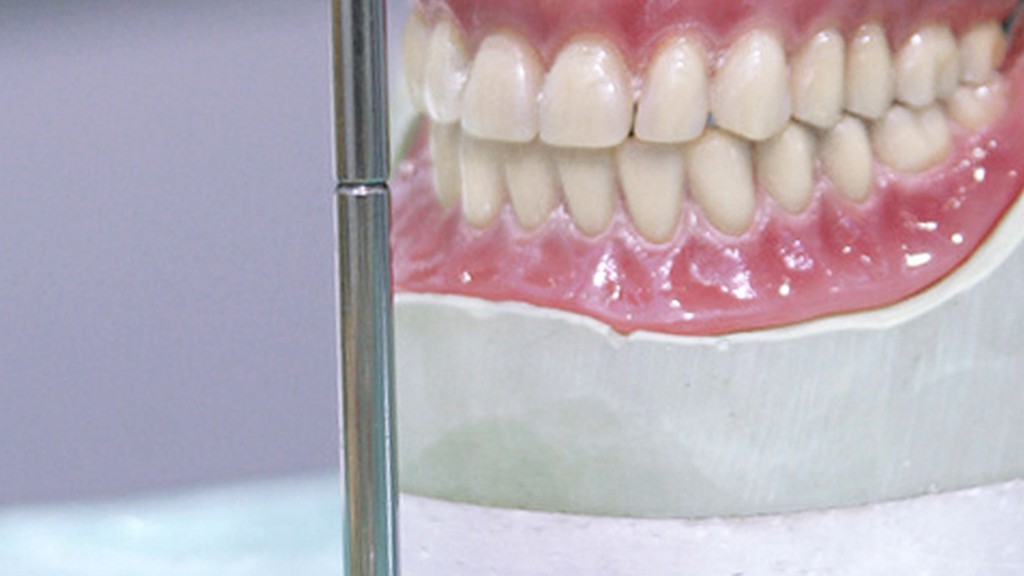
Although a variety of co-monomers can be used, the resin composition must include poly(methyl methacrylate) (PMMA) as its primary component. Classification The standard “ASTM D788-16 Standard Classification System for Poly(methyl methacrylate) (PMMA) Molding and Extrusion Compounds” defines an acrylic molding compound as one in which at least 70 percent of the polymer is polymerized from methyl methacrylate. The terms PMMA and acrylic, as used herein, generally refer to both the homopolymer and the copolymers defined above.
As with any material, some properties may be altered by the processing techniques (molding, extrusion, machining, sterilization) required for the production of a particular part or device. Therefore, the properties of manufactured forms of this resin should be evaluated using appropriate test methods to ensure safety and effectiveness as agreed upon between the supplier, purchaser, and regulatory bodies.
This standard allows acrylic resins to be specified for all medical implant applications. The actual scope of performance and suitability for a particular application should be evaluated by the medical device manufacturer and regulatory agencies.
The specifications in this standard are valid for both unfilled acrylic polymers and formulated resins containing barium sulphate. The specifications specified are for unfilled injection moulded forms. Forms containing barium sulphate, colourants, polymer blends containing PMMA or fillers other than recycled materials are not covered by this specification.
Compliance with this standard does not eliminate the need for functional testing of any device manufactured from resin to demonstrate its effectiveness in its intended application.
For the purposes of this standard, the following terms and definitions apply:
This standard defines the composition and provides test methods to establish a reasonable level of confidence in the performance of acrylic resins for use in medical implant devices. The required specifications are intended to provide a means of ensuring consistent performance. Additional testing should be considered when selecting a material to meet specific end-use requirements.
Acrylic resins may be considered for use in implantable medical devices and non-implant medical applications, but this standard covers resins used specifically for implants. Resins that meet the requirements of this standard may be suitable for non-implant applications, but other acrylic resins that do not meet this standard may also be suitable for use in non-implant medical applications.
Acrylic resins designed for use in implant applications are manufactured using more stringent manufacturing or testing controls, or both, to ensure consistency of properties, cleanliness, and biocompatibility.
Acrylic resins meeting the requirements of this standard may be evaluated for use in long-term or permanent medical implant applications. Resins classified for permanent implant applications may require additional testing beyond that required for long-term use as agreed upon between the device manufacturer and regulatory agencies.
Among the numerous testing, measurement, analysis and evaluation studies that our organization has provided for businesses in various sectors, it also provides testing services defined in the "ASTM F3087-15 Standard specification for acrylic molding resins for medical implant applications" standard with its trained and expert staff and advanced technological equipment.
To get an appointment, to get more detailed information or to request an evaluation, you can ask us to fill in our form and reach you.

