

Especially during pandemic periods, the use of fabric masks is increasing dramatically due to the shortage of medical masks. However, the effectiveness of these masks is controversial. The effectiveness of fabric masks in reducing transmission and contamination by droplets and aerosols is still under investigation. For this reason, cloth masks are not recommended, especially for healthcare workers. Cloth mask effectiveness is observed to be higher when made from hybrid fabrics (cotton and silk fabrics) and multiple cotton layers.
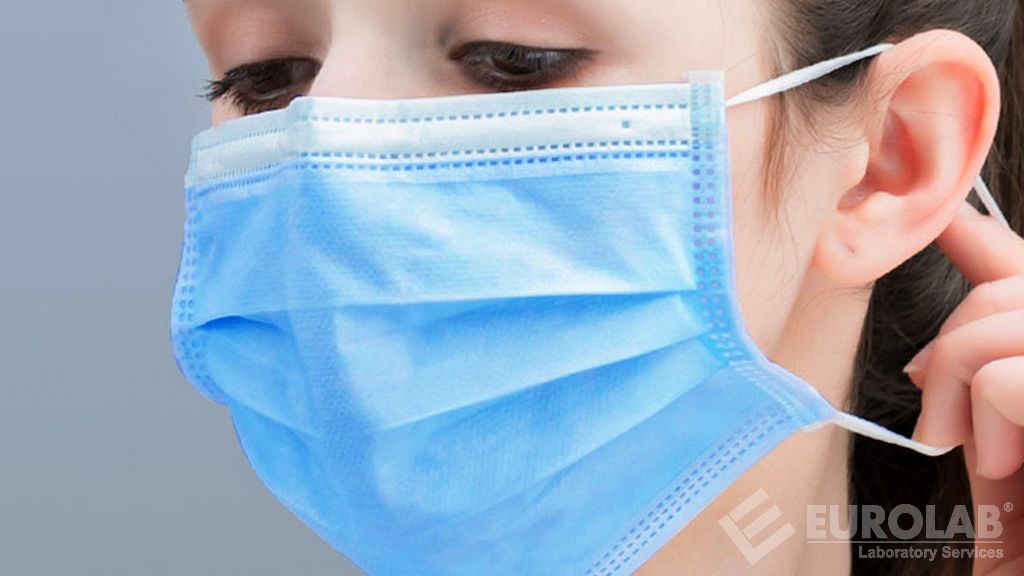
Medical-type masks provide superior filtration compared to fabric masks, but the demand for fabric masks is increasing due to problems with conformity, comfort, imitation, and cost.
From fashion designers and textile experts to aerosol scientists and infectious disease specialists, many individuals and organizations conduct design studies that have an impact on how a mask fits and feels. After all, cloth masks also help reduce viral transmission from person to person. Today, advanced laboratories perform various tests to evaluate the filtration efficiency and breathability of various fabric masks and filters.
How well a particular mask works varies from person to person, and determining the most effective mask for every individual and situation is not easy. Nevertheless, studies are being conducted based on real-world fit and comfort tests, as well as scientific tests of filtration efficiency and breathability.
In the test, analysis, measurement and evaluation studies carried out in our organization, national and international standards and applicable legal regulations are complied with and reliable and impartial results are obtained. Among the numerous tests carried out in this context, there are also cloth mask testing services.
To get an appointment, to get more detailed information or to request an evaluation, you can ask us to fill in our form and reach you.

