

The most sensitive and specific method available for the detection of endotoxins is the so-called limulus amebocyte lysate (LAL). Today, more than 70 million endotoxin tests are performed annually for injectable pharmaceutical products and implantable medical devices.
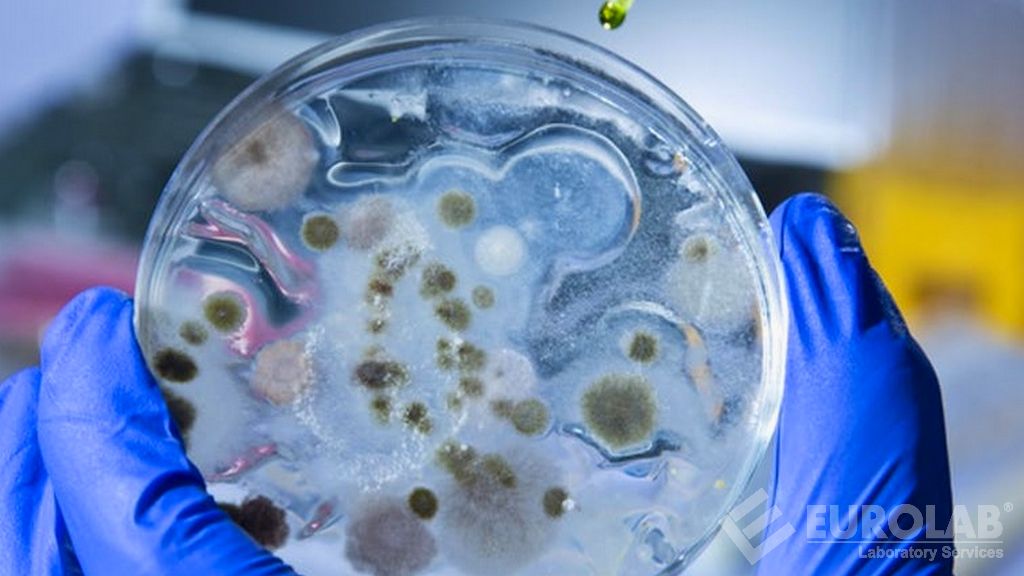
Advanced laboratories use LAL for all bacterial endotoxin testing systems. This is the most robust and sensitive test method available today. On the one hand, this test method continues to evolve. Investments are being made in the development of new technologies and innovative products to improve endotoxin testing quality and accelerate the development process.
A bacterial endotoxin is a type of pyrogen, a fever-causing agent found in the cell wall of gram-negative bacteria. Because of the risk of serious illness or death, all injectable pharmaceutical products and implantable medical devices that come into contact with bloodstream or cerebrospinal fluid must be tested for endotoxins to ensure patient safety. These products and devices are tested for endotoxins using a bacterial endotoxin test. LAL (limulus amebocyte lysate) is used to detect bacterial endotoxins. Limulus amebocyte lysate (LAL) is an aqueous extract of blood cells obtained from the horseshoe crab Limulus.
In the test, analysis, measurement and evaluation studies carried out in our organization, national and international standards and applicable legal regulations are complied with and reliable and impartial results are obtained. Among the numerous tests performed in this context, there are also bacterial endotoxin (LAL) determination services.
To get an appointment, to get more detailed information or to request an evaluation, you can ask us to fill in our form and reach you.

