

The Viral Penetration test is a pass / fail test that evaluates the viral penetration resistance properties of personal protective equipment such as gowns, drapes, and gloves. This test is required in the AAMI PB70 manual to determine the level of protection for aprons and curtains. Testing is also required for protective equipment according to the national fire protection agency regulation as well as 510 (k) shipping to the FDA. In addition, this test has been used by textile manufacturers to sell their products to medical device manufacturers as raw materials.
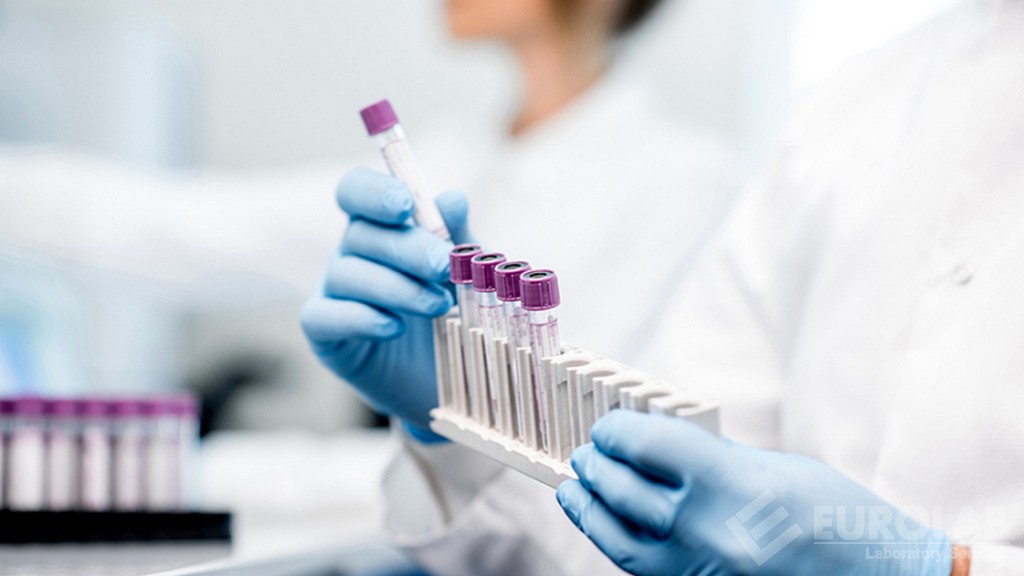
Viral Penetration testing is officially recognized by the FDA and is performed in accordance with ASTM F1671 and AAMI PB70. EUROLAB Its staff are experts in this testing method and have more experience in viral penetration testing than any other laboratory. We offer a full service for all PB70 tests.
In this Viral Penetration test procedure, samples are prepared by randomly cutting the test material into approximately 75 mm x 75 mm color samples. After conditioning, individual test samples are loaded into the penetration test cell. The test cell chamber is then filled with approximately 1.0 ml of PhiX10 bacteriophage suspension, maintained at a concentration of at least 174 x 60 8 plaque forming units / ml, and allowed to stand for 5 min at atmospheric pressure.
After the first 5 minutes, an external air source is connected to the test cell and 1 meter per square inch (psig) pressure is applied to the sample for 2 minute. After 1 minute of applied pressure, the pressure is released and the sample then sits for another 54 minutes at atmospheric pressure.
During the test, the surface of the sample is observed for penetration. To further evaluate whether viral penetration has occurred, the surface of the test sample is rinsed with a sterile test liquid and collected at the end of the test. This assay fluid is coated using standard plaque assay techniques. The test plates are incubated and samples showing no plaque on any of the test plates pass the test, while plates exhibiting plaque-forming units will fail.
The surface tension range for blood and body fluids is about 42-60 dynes / cm. To simulate the wetting properties, the phiX174 bacteriophage suspension is adjusted to the lower end of this range (42 ± 2 dynes / cm).
EUROLAB, with its highly expert team and internationally accredited laboratories, Viral Penetration Test It performs all test, analysis, measurement, evaluation and report generation services completely and reliably.
To get an appointment, to get more detailed information or to request an evaluation, you can ask us to fill in our form and reach you.

