

There are two types of resistance determination studies; Comparative and Biological Load Resistance. The primary goal is to develop suitable process enforcement devices (PCDs) to monitor the routine and validation sterilization cycles of a product or group of products. Typically, both comparative and biological load resistance tests are required for the development of PCDs. When these two studies are done together, it is a relative resistance study. Resistance studies can also be done to verify the suitability of a new or modified product and PCDs already validated when adopting the existing sterilization cycle.
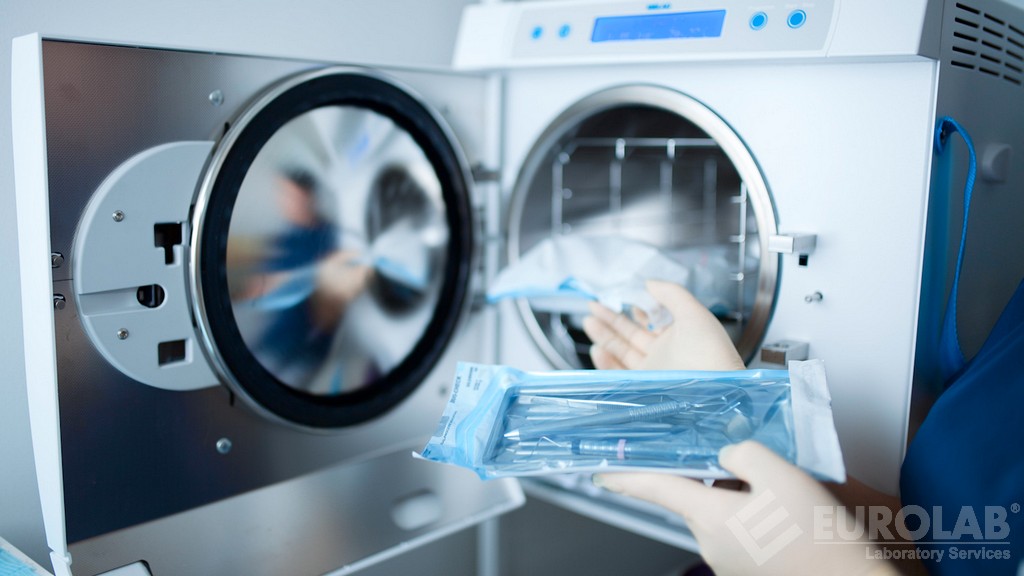
Comparative resistance testing is primarily used to determine where a product is most difficult to sterilize. It also specifies an appropriate process loading device (PCD) to be used for validation and routine cycle monitoring, so the product is not required for microbiological monitoring.
A comparative resistance test is also used to determine an appropriate sterilization cycle, thanks to its ability to show lethality in the most difficult to sterilize places. It compares the resistance of different BI types to determine an internal and external BI. In addition, it is used to adopt newly developed products or devices that have undergone changes in an existing cycle.
The bioburden resistance test classifies the resistance of naturally occurring bioburden on devices that have passed through all production stages, including sterilization, but do not contain sterilization. This test also compares the resistance of the biological burden with the already categorized PCD.
This testing is required and performed according to the recommendations specified in ANSI/AAMI/ISO 11135-1:2014, AAMI TIR16 and AAMI TIR28. EUROLABIt is capable of mimicking industrial sterilization cycles through the use of seven programmable ethylene oxide sterilizers (including a BIER vessel) using 100% ethylene oxide. We have also developed a wide range of resistive PCDs to be compared to the candidate product to provide our customers with more options for cycle monitoring.
Loop Development
Relative resistance test is a study that includes comparative and biological load tests. This work is the first step in developing the sterilization process.
Resistance is determined by infusing products in all places that seem difficult to sterilize. Fields are inoculated with Bacillus atrophaeus for EO or Geobacillus stearothermophilus for evaporated hydrogen peroxide. Each location is inoculated with a problem of at least one million (10 6 spores per site and units have been packaged first). Inoculated products and various PCDs are exposed side by side and then tested for sterility.
A series of fractional cycles are performed that vary the exposure time until the hardest place is determined. A PCD with a resistance equal to or greater than the actual product is selected to act as a substitute for the product. This PCD can then be used for the bioburden resistance phase, validation and subsequent routine cycles in the contract sterilizer.
Product Adoption
Product Adoption is done to "adapt" a product to a previously validated sterilization cycle by showing that the candidate product has no greater sterilization difficulty than the currently approved PCD or other products in the approved process. This is accomplished by inoculating candidate devices at all locations considered difficult to sterilize with spores of the appropriate device organism and subjecting them to a series of fractional sterilization cycles alongside the available, most resistant product or PCD. After exposure, the inoculated products and PCDs are tested for sterility and the results compared.
If the candidate product is difficult to sterilize or is equivalent to or less resistant to the PCD, the candidate product may be included in the sterilization cycle. After determining that the candidate product can be sterilized with other products based on its relative resistance, the second part of the product adoption exercise is the total sterilization load of the new product - in the amounts expected to be sterilized. This is typically accomplished by looking at the temperature and moisture distribution in the initial sterilized loads containing the new product (s) and making a comparison with the initial validation.
EUROLAB, with its highly expert team and internationally accredited laboratories, Comparative Resistance Test It performs all test, analysis, measurement, evaluation and report generation services completely and reliably.
To get an appointment, to get more detailed information or to request an evaluation, you can ask us to fill in our form and reach you.

