

The “ASTM F451-21 Standard specification for acrylic bone cement” standard developed by the American Society for Testing and Materials (ASTM) describes the requirements for self-curing resins used mainly for fixation of internal orthopedic prostheses.
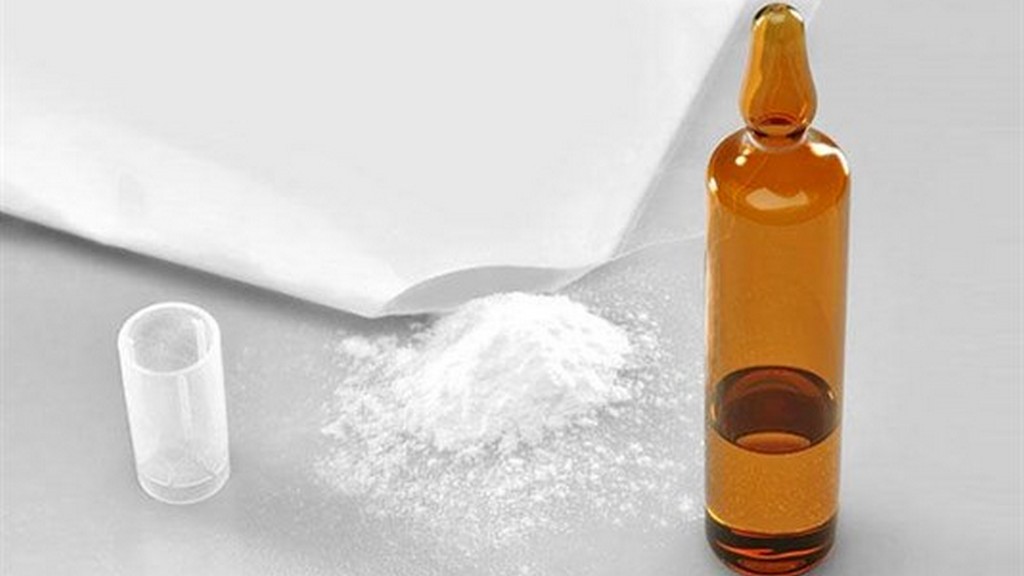
The mixture can be used in predough or dough stages in accordance with the manufacturer's recommendations. It is supplied in a form suitable for mixing pre-measured powder and liquid units. The mixture is then set in place. Various copolymers and comonomers may be included, but the composition of the hardened cement must contain poly(methacrylic acid esters) as its main component.
This standard covers compositional, physical performance and biocompatibility as well as packaging requirements. The biocompatibility of acrylic bone cement as conventionally formulated and used has been reported in the literature.
For the purposes of this standard, the following terms and definitions apply:
The physical requirements in this standard include:
Weight and volume measurements shall be made on the respective powder and liquid components of the five units. These units may then be used in any of the nonsterile tests of this specification. The weights or volumes of the powder and liquid components, or both, shall not deviate by more than 5 percent from those stated on the packaging of each of the five units.
Powder and liquid units are supplied to provide sufficient material for all tests described in this standard. The units are obtained through normal retail distribution channels. This should be between seven and ten units unless retesting is required.
Not all tests described in this standard need to be performed under sterile conditions.
Unless otherwise specified, all equipment, mixing surfaces and materials are maintained at 2 degrees plus/minus 23 degree for at least 1 hours prior to testing and all tests are conducted at 23 degrees plus/minus 1 degree and 50 percent plus/minus 10 percent relative humidity.
Among the numerous testing, measurement, analysis and evaluation studies that our organization has carried out for businesses in various sectors, it also provides testing services defined in the "ASTM F451-21 Standard Specification for Acrylic Bone Cement" standard with its trained and expert staff and advanced technological equipment.
To get an appointment, to get more detailed information or to request an evaluation, you can ask us to fill in our form and reach you.

