

The standard “ISO 7198 Cardiovascular implants and extracorporeal systems - Vascular prostheses - Tubular vascular grafts and vascular patches” developed by the International Organization for Standardization (ISO) describes the requirements for the evaluation of vascular prostheses and the requirements for nomenclature, design features and information provided by the manufacturer based on current medical knowledge. Guidance for the development of in vitro test methods is included in the annex of the standard. This standard is considered an addition to the standard “ISO 14630 Non-active surgical implants - General requirements”, which specifies general requirements for the performance of non-active surgical implants.
This standard applies to sterile tubular vascular grafts placed by direct imaging surgical techniques as opposed to fluoroscopic or other non-direct imaging (e.g., computed tomography or magnetic resonance imaging) techniques and are intended to replace, bypass, or create shunts between segments of the vascular system in humans and to vascular patches designed for repair and reconstruction of the vascular system.
Vascular prostheses made of synthetic textile materials and synthetic non-textile materials are within the scope of this standard.
Vascular prostheses constructed in whole or in part from non-living materials of biological origin, including tissue engineered vascular prostheses, are within the scope of this standard, but this standard does not address the sourcing, harvesting, manufacturing and full testing requirements for biological materials. Additionally, there are different regulatory requirements for tissues of human and animal origin.
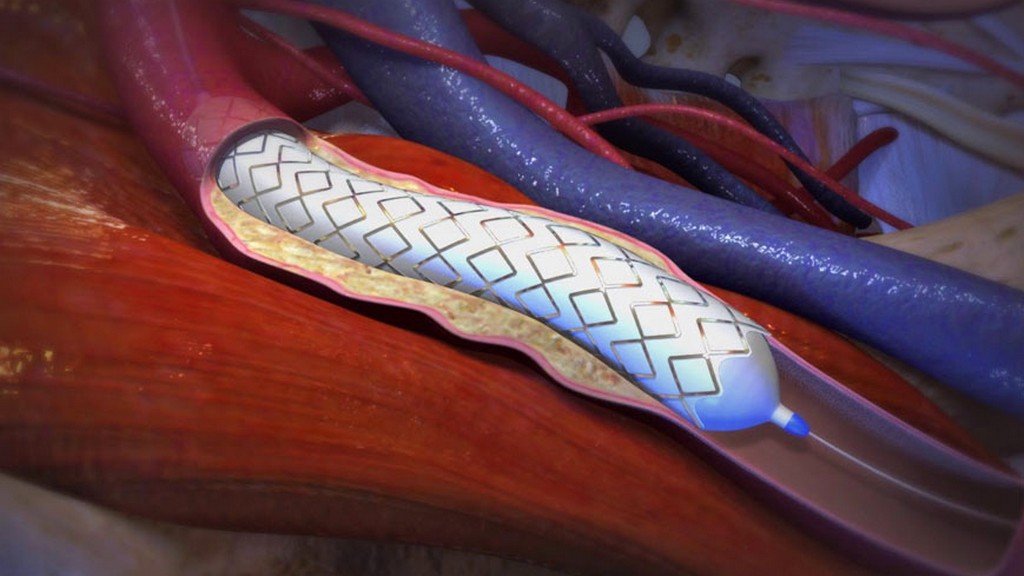
Composite, coated, composite, and externally reinforced vascular prostheses are within the scope of this standard. However, endovascular prostheses placed using catheter delivery and indirect visualization are outside the scope of this standard.
Valved conduits constructed with a tubular vascular graft component, the valve component, and the combination of a valved component and a tubular vascular graft component are outside the scope of this standard. This standard may assist in determining the appropriate evaluation of the tubular vascular graft component of a valved conduit, but specific requirements and tests for these devices are not described.
General requirements:
Tubular vascular graft or vascular patch classification is indicated by either:
Among the numerous testing, measurement, analysis and evaluation studies that our organization has provided for businesses in various sectors, it also provides testing services defined in the “ISO 7198 Cardiovascular implants and extracorporeal systems - Vascular prostheses - Tubular vascular grafts and vascular patches” standard with its trained and expert staff and advanced technological equipment.
To get an appointment, to get more detailed information or to request an evaluation, you can ask us to fill in our form and reach you.

