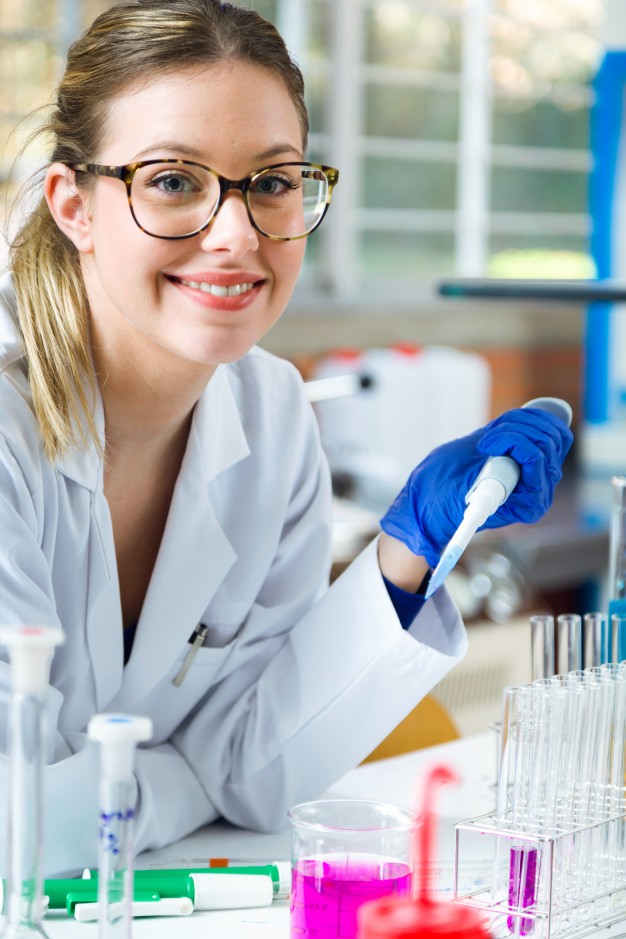
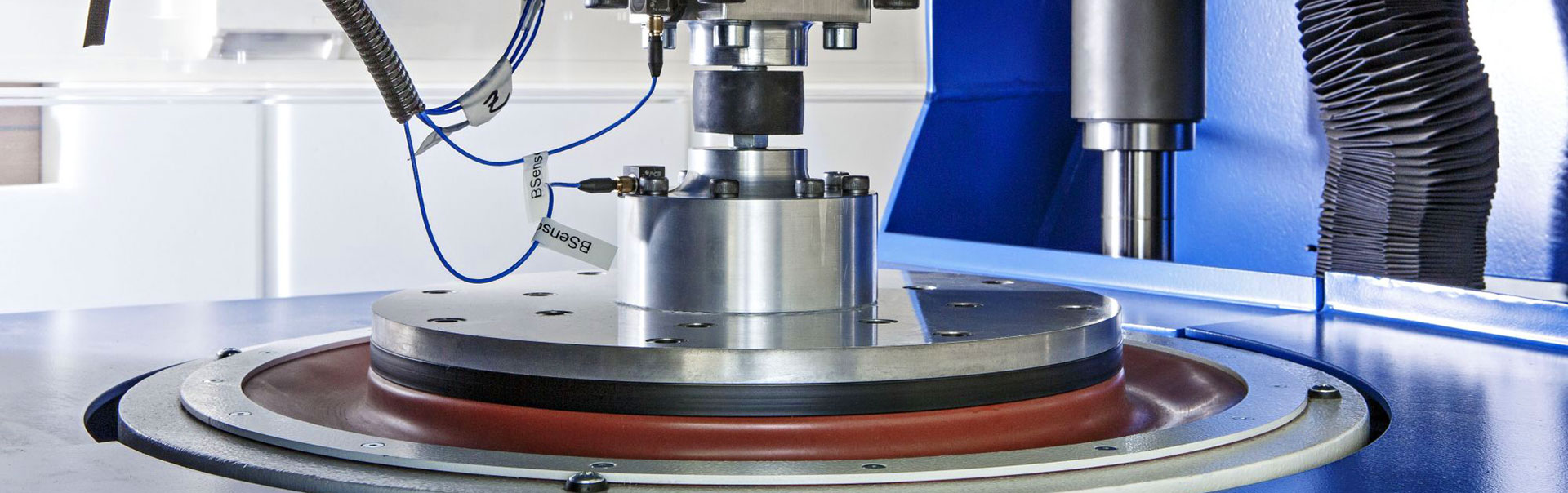
Texture is an important attribute as it influences processing, habits and shelf life of products and their acceptance by the consumer. Texture analysis is the process of mechanically testing food, cosmetics, pharmaceuticals, adhesives and other consumer products to determine the physical properties of a product. Because of its adaptability, texture analysis has been widely applied in many industries to measure certain or a set of properties such as the behavior of a material, fracture, flow, adhesion, bending, and so on.
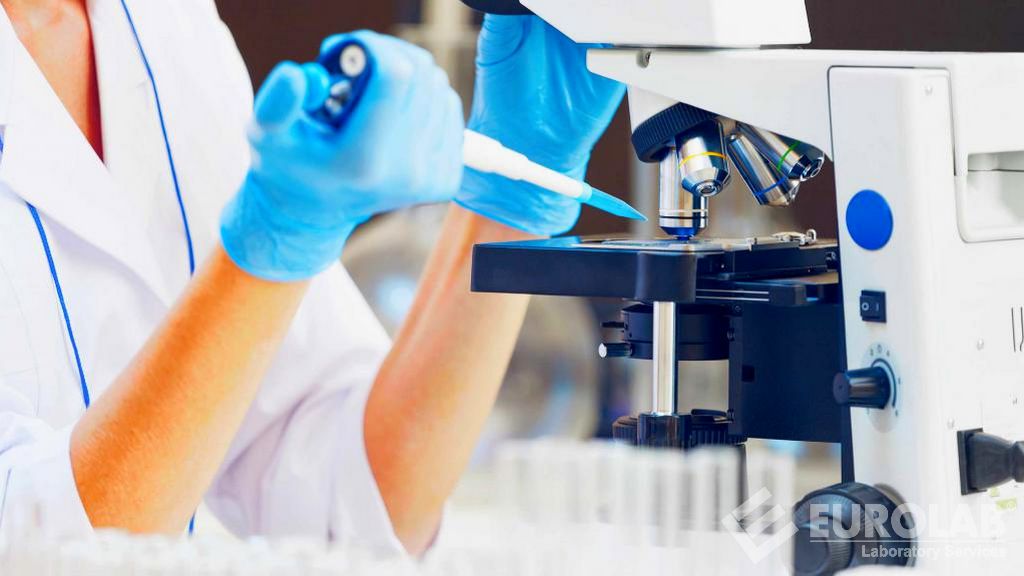
Textural analyzes are used to determine many properties such as hardness, brittleness, spreadability, stickiness, tensile strength and extensibility in a wide range of products. These analyzes are performed with basic, empirical and imitation tests covering those related to materials science and rheology of solid, semi-solid, viscous liquid, powder and granular materials.
Large manufacturers regularly apply texture analysis techniques as part of quality control in both new product development and production stages, and make various measurements to analyze raw materials or auxiliaries, semi-finished products, packaging and finished products.
In cases where textural problems occur during storage or transportation, texture analysis is seen as a useful evaluation method. It's also an effective way to compare with competing products.
Food is a combination of semi-solid, soft-solid, viscoelastic materials and sometimes hard solids. Food texture is one of the main characteristics consumers evaluate when determining food quality and acceptability, and encompasses a large number of textural properties.
Most of the time, sensory analysis and textural analysis come face to face. Sensory analysis involves the use of the senses of smell, taste, sound and touch. Textural analysis, on the other hand, includes the evaluation of food, drug and cosmetic tissue by touch, the use of lips, tongue, palate and teeth in the mouth as well as fingers. Sensory analysis methods are subject to wide variability, are labor intensive and therefore expensive. Textural analyzes are performed under more strictly defined and controlled conditions.
Our organization also provides textural analysis services with its trained and expert staff and advanced technological equipment, among the numerous test, measurement, analysis and evaluation studies it provides for businesses in various sectors.
To get an appointment, to get more detailed information or to request an evaluation, you can ask us to fill in our form and reach you.