Chlorate is formed as a by-product when chlorine, chlorine dioxide or hypochlorite is used for disinfection of drinking water, water for food production and food contact surfaces. This type of disinfectant is seen as an important tool to ensure a high standard of food safety and reduce risk.
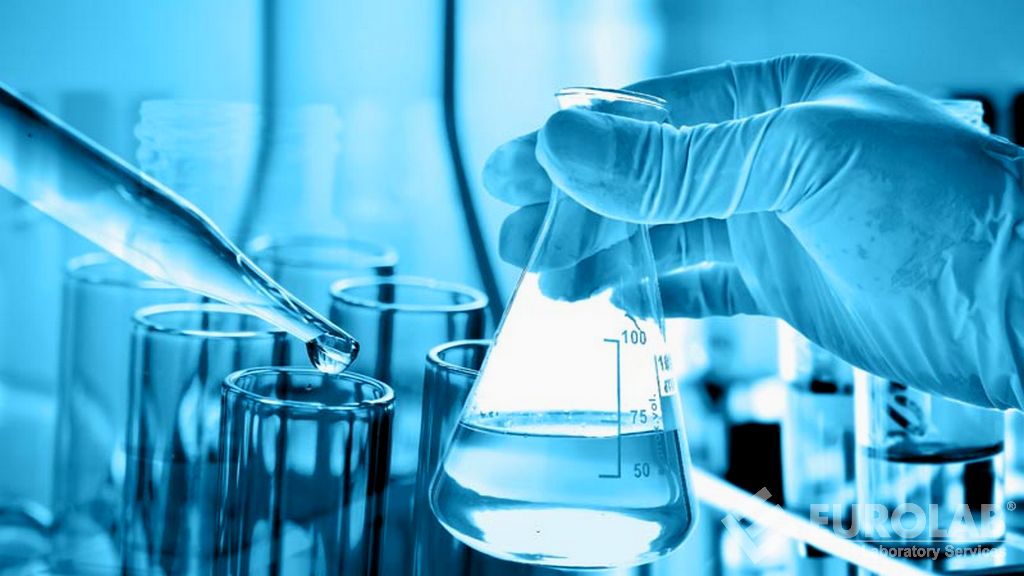
There is always a risk of microbiological contamination in processed foodstuffs. Chlorate residues, unlike pesticide residues, usually occur post-harvest through food processing and local contamination. Recent studies show that chlorate residues also enter food when using biocides to wash and disinfect food contact surfaces and food processing equipment. The risk of chlorate residues and microbiological contamination puts pressure on the food industry to manage these risks.
In the past, chlorate has been treated as a pesticide residue, not as a food pollutant. However, chlorate increases health risks leading to public safety in the food chain and the wider environment. In 2010, chlorate was banned from being used as a weed killer and as a herbicide to remove unwanted vegetation from public places.
Particularly in children, pregnant women, or people who are immunocompromised, high doses of chlorate affect digestion, thyroid dysfunction, iodine deficiency, and the potential to damage red blood cells.
In the European Union countries, maximum residue levels have been determined for chlorate in foods.
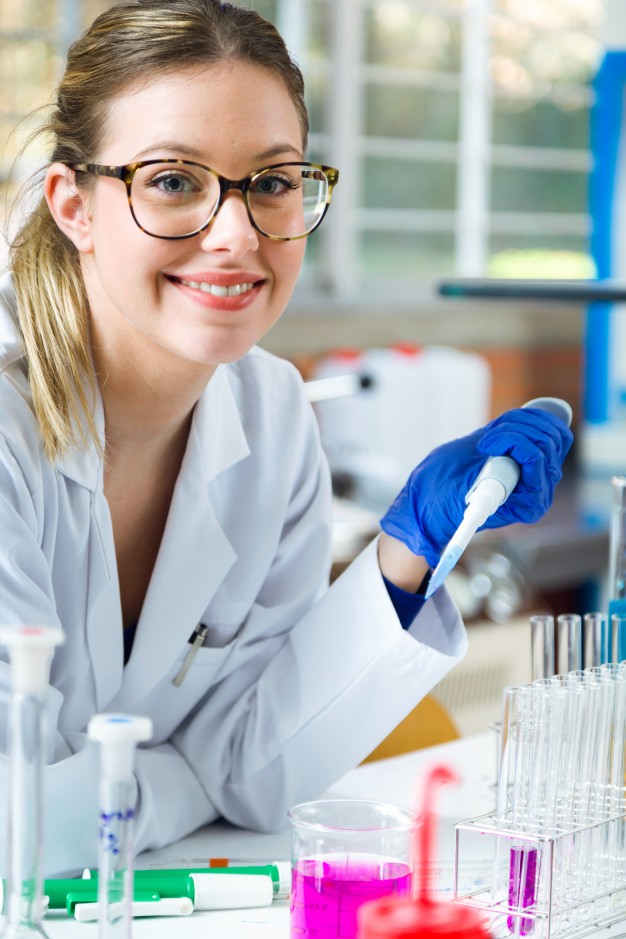
Today, analytical chlorate and perchlorate tests are carried out in advanced laboratories. In this way, the chlorate and perchlorate method provides greater sensitivity and selectivity for approved pesticide and product combinations. In addition, pesticide analysis, which was rarely followed in the past, has now become widespread.
Perchlorate occurs naturally. Manufactured perchlorate is used as an industrial chemical in the production of rocket fuels, explosives, fireworks, and road flares. Because it is present in the environment, this chemical compound is found in drinking water and some foods. High doses of perchlorate exposure in humans can cause serious health problems.
Our organization also provides perchlorate and chlorate analysis services with its trained and expert staff and advanced technological equipment, among the numerous test, measurement, analysis and evaluation studies it provides for businesses in various sectors.
To get an appointment, to get more detailed information or to request an evaluation, you can ask us to fill in our form and reach you.