

DEF STAN 13-130 Magnesium Powder Varieties: Blown, Cut, Elliptical Shaped, and Centrifuge Atomized
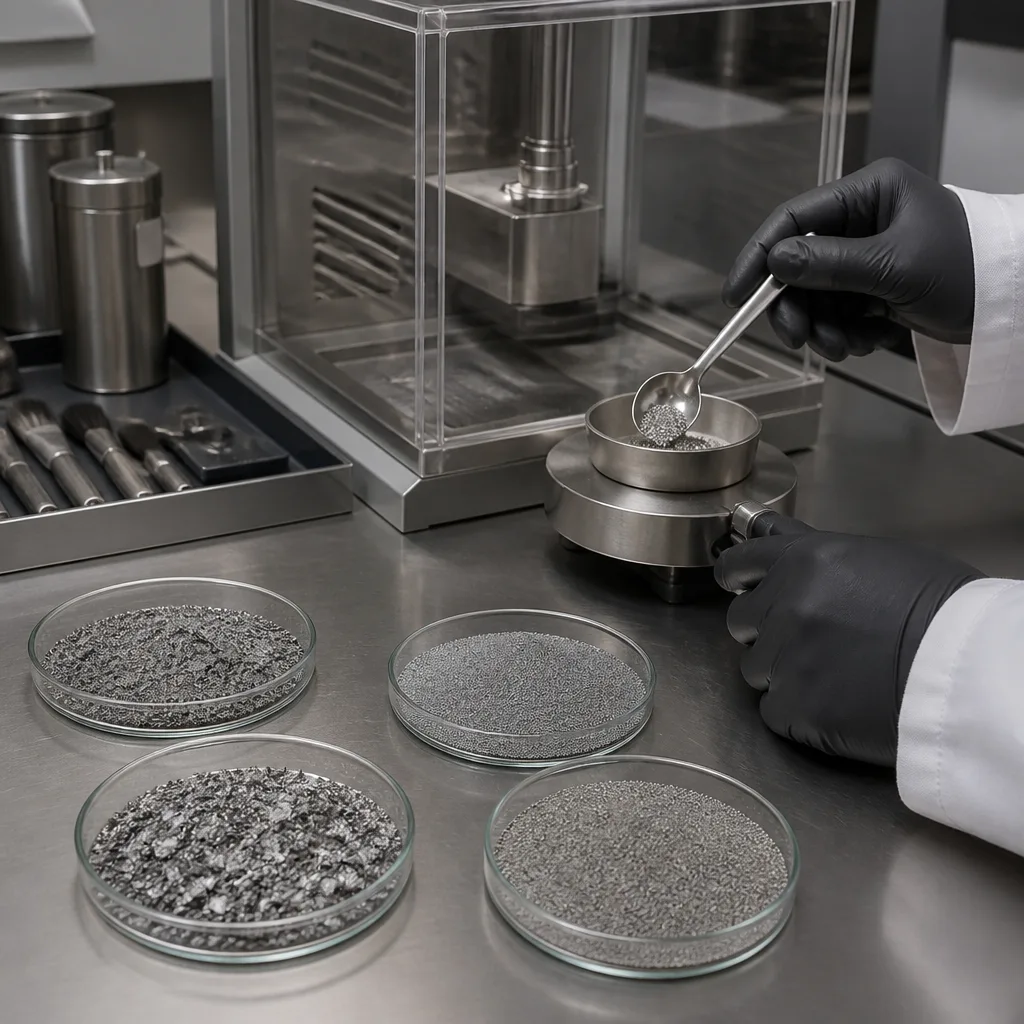
The “DEF STAN 13-130 Magnesium powder varieties: blown, cut, elliptical and centrifuged” standard, developed by the UK Ministry of Defence, describes magnesium powder (blown, cut, elliptical and centrifuged) in the following sizes for use as a component of pyrotechnic compositions:
These dimension values are not units of measurement. They are dimension classification codes defined by the standard.
The DEF STAN 13-130 standard, covering types of magnesium powder for fireworks applications, specifies the technical requirements, quality criteria, and test methods for magnesium powder used as a component in military fireworks compositions. The latest version of this standard has expanded its scope to include ellipsoidal and centrifugally atomized magnesium powders, going beyond conventional blown and cut powders.
This standard plays a vital role in ensuring that magnesium powders used in defense applications provide consistent ignition characteristics, energy output, and safety during production, storage, and operational use.
The primary objectives of the DEF STAN 13-130 standard are as follows:
Because magnesium is extremely reactive and burns at very high temperatures, strict control of its physical and chemical properties is essential.
The DEF STA 13-130 standard covers magnesium powders designed for use in pyrotechnic compositions. Four production methods are defined:
The DEF STA 13-130 standard defines multiple standardized particle size classes:
This standard includes detailed numerical limits, but generally specifies the following requirements:
These properties directly affect the ignition sensitivity and combustion performance of pyrotechnic mixtures.
The DEF STA 13-130 standard requires testing to verify the following:
Testing ensures that each production batch meets military performance and safety requirements before being accepted.
Magnesium powder, which falls under the DEF STA 13-130 standard, is generally used in the following areas:
Magnesium is valued because it produces an extremely bright white flame and releases a large amount of heat.
This standard emphasizes quality control in the following ways:
These measures help ensure reliable performance throughout the product's lifespan.
Magnesium powder is classified as a highly reactive, flammable metal. Improper handling can lead to:
The DEF STA 13-130 standard contributes to risk reduction by specifying appropriate manufacturing, inspection, packaging, and quality control practices for military use.
Organizations that produce or use magnesium powder benefit from this standard in the following ways:
When the DEF STAN 13-130 standard was first published, it focused on puffed and truncated magnesium powders. The latest revision, however, reflects advances in powder production and the need for more consistent particle properties in modern pyrotechnic applications, expanding the specification to include ellipsoidal and centrifugally atomized powders.
Military pyrotechnic systems rely on precise and predictable combustion. Even small variations in magnesium powder properties can affect ignition reliability, combustion rate, light intensity, smoke production, and overall device performance. The DEF STA 13-130 standard supports the reliability and safety of defense pyrotechnic systems by providing a standardized framework that helps ensure magnesium powders are manufactured, tested, and supplied with consistent quality and performance.
For many years, our organization, with its competent and experienced team, has been understanding the needs of its clients, providing the advanced testing services they require, and assisting them in the establishment, implementation, and improvement of management systems. Within this framework, we also provide testing services compliant with the DEF STA 13-130 standard.
To get an appointment, to get more detailed information or to request an evaluation, you can ask us to fill in our form and reach you.

