

STANAG standards, which are NATO standardization agreements, determine the military standards of NATO member countries. In the STANAG 4360 standard published within this framework, performance requirements are defined for paint systems that provide the minimum quality level specification in order to ensure that military equipment is properly protected against chemical agent contamination.
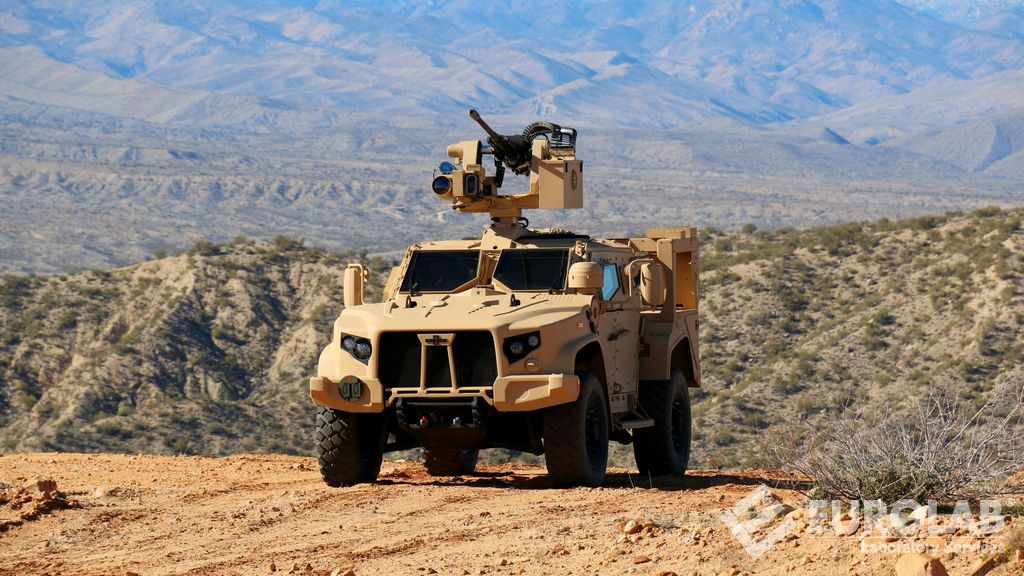
Chemical resistant coating is a form of paint commonly applied to military vehicles to provide protection against chemical and biological weapons. The surface of the paint is designed to be easily decontaminated after exposure to chemical warfare and biological warfare agents. The paint is also resistant to damage and removal by decontaminating solutions. Generally, two-component systems, such as epoxy or polyester-based paints, are often used in this area.
This standard also has similar features with the MIL-DTL-53072 standard, which is a military defense standard prepared by the US Department of Defense (MIL-DTL-53072 Detail specification: chemical resistant coating (CARC) system application procedures and quality control review). This standard contains the application and inspection requirements of chemical agent resistant coating systems used in military equipment. It is mandatory to use appropriate materials and procedures for the surfaces to be painted, and provides additional application, inspection and quality control information for the cleaning, pretreatment and coating properties specified in the standard. However, this standard does not eliminate the need for appropriate consideration of corrosion prevention and control, eg material selection, system design, manufacturing processes, maintenance and other aspects during vehicle development and maintenance.
The primary goal of the improved chemical agent-resistant coating formulations is to reduce material degradation costs for the Department of Defense. They are primarily designed to contain 44 percent primary pigments and inorganic extenders, 24 percent resins, 30 percent solvents, and 2 percent additives. To improve the protective properties of the topcoat and reduce material degradation costs, the formulations have been shifted from inorganic to polymeric-based extenders.
Among the numerous test, measurement, analysis and evaluation studies it provides for businesses in various sectors, our organization also provides paint systems resistant to chemicals and decontaminants for the protection of land military equipment, within the scope of STANAG 4360 standard, with its trained and expert staff and advanced technological equipment. .
To get an appointment, to get more detailed information or to request an evaluation, you can ask us to fill in our form and reach you.

