

The MIL-STD-1472G standard, developed by the US Department of Defense, describes general human engineering criteria for the design and development of military systems, equipment, and facilities. The purpose of this International Standard is human engineering design criteria, principles and practices to optimize system performance, taking full account of inherent human capabilities and limitations, with the aim of more effectively integrating humans as part of the system, subsystems, equipment and facilities to achieve mission success. is to present.
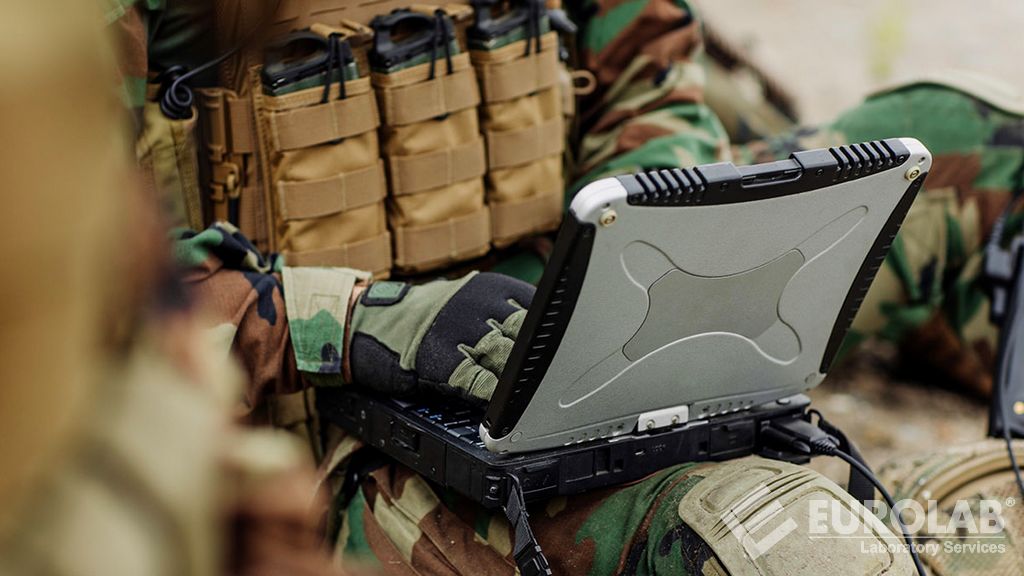
The MIL-STD-1472G standard applies to the design of all systems, subsystems, equipment, and facilities, except where aircraft design provisions conflict with crew system design requirements. Unless specified otherwise in specific provisions, this standard applies to the design of systems, subsystems, equipment and facilities used by both men and women.
Where manufacturing tolerances are not user-detectable, this standard should not be interpreted as precluding the use of components whose dimensions are within the normal manufacturing upper or lower limit tolerance of the dimensions specified here.
The general requirements in the MIL-STD-1472G standard are determined as follows:
Among the numerous test, measurement, analysis and evaluation studies it provides for businesses in various sectors, our organization also provides testing services in the field of defense design criteria and human engineering, within the scope of MIL-STD-1472G standard, with its trained and expert staff and advanced technological equipment.
To get an appointment, to get more detailed information or to request an evaluation, you can ask us to fill in our form and reach you.

