

MIL-STD-810 details 28 test methods covering a variety of environmental conditions such as rain, vibration, dust, humidity, extreme temperatures, shock and salt fog.
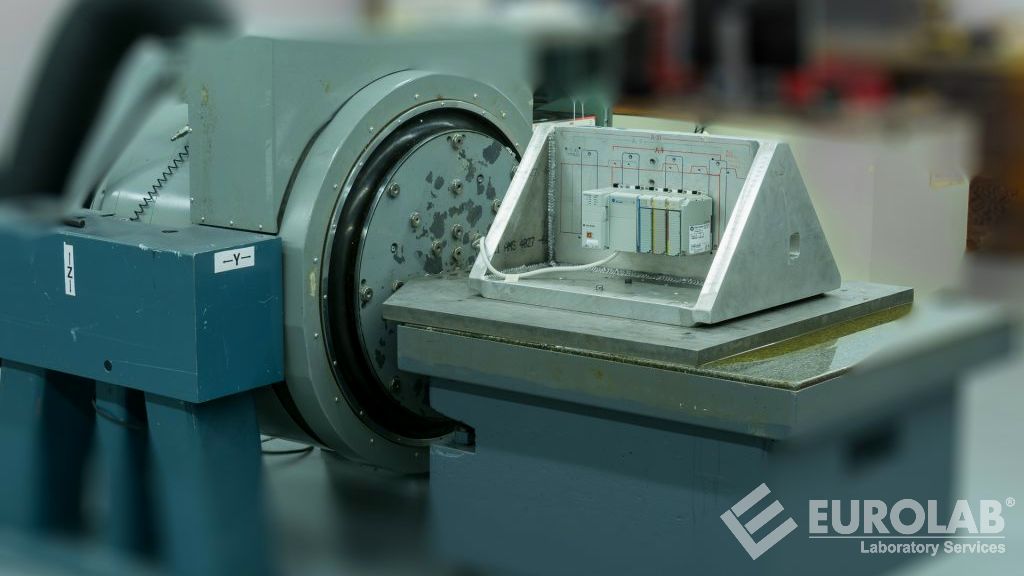
The method for each test is as follows.
| No | Hood | Method No. | Procedure |
| 500 | Low Pressure (Altitude) | 500,6 | I ; Storage / Air Transport |
| II; Operation / Air Transport | |||
| III; Quick Decompression | |||
| IV; Explosive Decompression | |||
| 501 | High temperature | 501.6 | I ; to store |
| II; Operation | |||
| III; Tactics; Standby for Operational | |||
| 502 | Low temperature | 502.6 | I ; to store |
| II; Operation | |||
| III; manipulation | |||
| 503 | Temperature Shock | 503.6 | I ; Shock from Constant Extreme Temperature |
| IA; A ; Shock(s) from Constant Extreme Temperature | |||
| IB; Single Shock from Constant Extreme Temperature | |||
| INTERNAL ; A lot; Cycle Shock from Constant Overtemperature | |||
| identity ; Shocks to or from Controlled Ambient Temperature | |||
| 504 | Contamination with Liquids | 504.2 | I ; Aircraft, Vehicle, Watercraft, II; Small Arms Boots Gloves Dress, |
| 505 | Solar Radiation (Sunlight) | 505.6 | I ; Cycling For Heating Effects, |
| II; Steady State for Active Effects | |||
| 506 | Rain | 506.6 | I ; Rain And Blowing Rain, |
| II; Exaggerated | |||
| III; drop | |||
| 507 | Gender | 507.6 | I ; Stimulated (Storage and Transition) and Natural Cycles |
| II; aggravated | |||
| 508 | Mantar | 508.7 | I ; Unique Method |
| 509 | Drizzling | 509.6 | I ; Unique Method |
| 510 | Sand and Dust | 510.6 | I ; dust blowing, |
| II; Sand blowing. | |||
| 511 | Explosive Atmosphere | 511.6 | I ; Explosive Atmosphere |
| II; Explosion Containment | |||
| 512 | dip | 512,6 | I ; Unique Method |
| 513 | Acceleration | 513.7 | I ; Structural Test. |
| II; Operational Test. | |||
| III; Crash Hazard Acceleration Test. | |||
| 514 | Vibration | 514.7 | I ; General Vibration. |
| II; Loose Cargo Transportation | |||
| III; Large Assembly Transport | |||
| IV; Assembled Aircraft Captive Transport And Free Flight Shop. | |||
| – Remarks :Category 1 to 23 Etc. | |||
| 515 | Acoustic sound | 515.7 | i -a ; Common Area ; Uniform Density Shaped Spectrum |
| i -b; Uniform Density Shaped Spectrum of Acoustic Noise | |||
| 516 | Shock | 516.7 | I ; Functional Shock |
| II; transportation shock | |||
| III; fragility | |||
| IV; Public Transport Decline | |||
| V ; Collision Hazard Shock | |||
| VI; Bench Transport | |||
| VII; Pendulum Effect | |||
| VIII; Catapult Launch/Arrested Extraction | |||
| 517 | pyroshock | 517.2 | I ; Near ; Real Configured Area |
| II; Near ; Area with Simulated Configuration | |||
| III; middle ; Field With A Tester. | |||
| IV; Iraq ; Field with Mechanical Tester | |||
| V ; Iraq ; Electrodynamic Shaker Field | |||
| 518 | Acidic Atmosphere | 518.2 | I ; Unique Method |
| 519 | Gun Fire Shock | 519.7 | I ; Unique Method |
| 520 | Temperature, Humidity, Vibration and Altitude | 520.4 | I ; Engineering Development. |
| II; Flight Or Operations Support | |||
| III – Combined Environments. | |||
| 521 | Icing/Freezing Rain | 521.4 | I ; Unique Method |
| 522 | ballistic shock | 522.2 | I ; Ballistic Hull and Turret (Bh&T), Full Spectrum, Ballistic Shock Qualification |
| II; Large Scale Ballistic Shock Simulator (Lsbss). | |||
| III; Limited Spectrum Light Shock Machine (Lwsm). | |||
| 523 | vibration ; Acoustics/Temperature | 523.4 | I ; Unique Method |
| 524 | Freeze ; thaw | 524.1 | I ; Daily Cycling Effects |
| II; fogging | |||
| III; Rapid Temperature Change | |||
| 525 | Time Waveform Multiplication | 525.1 | I ; Unique Method |
| 526 | Rail Impact | 526.1 | I ; Unique Method |
| 527 | A lot; Stimulant Test | 527.1 | I ; Time Domain Reference Criteria |
| II; – Frequency Domain Reference Criteria. | |||
| 528 | Mechanical Vibrations of Ship Material | 528.1 | I (Type I) – Environmental Vibration. |
| (Type I – Environmental and Type II – Intrinsically Excited) | II (Type II) – Internally Stimulated Vibration |
Each major test method has the following characteristics:
Altitude tests examine assemblies and components that operate at high altitudes, such as the cockpit of an airplane. The test also quickly and disastrously depressurizes components such as seals, safety devices, vents and optics.
Appropriate altitude testing considers devices that can withstand sudden changes in temperature, humidity and pressure. Passing the altitude test provides excellent quality assurance, which can be a key selling point for your product.
Temperature testing examines how components and systems perform in high-temperature environments. These tests assess the probability of failure due to mechanical defects, material degradation, and parameter variations.
The test method examines the durability of a product when turned off when exposed to high or low temperatures. This method also examines the functional capability of the device at extreme temperatures.
The performance of products exposed to moisture for a long time will be low. It damages the coating, destroys the fuel and spoils the electrical equipment. Humidity testing examines how components and systems perform in environments with varying relative humidity. These tests assess the probability of failure due to water supply or frost formation, turbidity, and watertightness failure.
Thermal shock testing requires very high rates of temperature change. Typically above 30 °C per minute. This test can be useful for any device or component that needs to withstand rapid temperature changes over a short period of time, such as when moving hot products into a submerged cooling enclosure.
Exposure to sunlight can damage equipment used and stored outdoors and cause heating effects from direct exposure to sunlight, which is essential for evaluating irradiated materials and evaluating mission success.
High winds and rains can occur anywhere in the world and cause wear and corrosion, limiting radar effectiveness and disrupting communications. Testing components and products against wind and rain is critical to regulatory compliance and quality control.
Products designed to operate in hot and humid environments must be resistant to fungal attack. Mold growth can damage a system or component by altering the optical, mechanical, and electrical properties of the material.
Products exposed to salt must be able to withstand the possibility of corrosion. Resistance to salt spray and fog ensures high quality products. Salt fog and salt spray tests help determine the effectiveness of protective coatings and polishes, in addition to their effects on the electrical and physical aspects of a product.
Sand and dust can damage sensitive electronics, not to mention the sheath that protects the electrical components. Military vehicles and individual system components are currently one of the largest markets for dust testing.
The procedure tests the effectiveness of the product by blocking particles and exposing them to particles smaller than 150 micrometers and particles between 150 and 850 micrometers.
Explosive Atmospheric Test provides valuable information about engines, aircraft components, electronics, lighting systems and engines. Hot spots on the surface of the product can ignite and explode. The Explosive Atmosphere Test determines whether a product can operate in fuel-contaminated and highly volatile environments without causing an explosion.
Immersion testing evaluates how a product, component, or system behaves when immersed or partially immersed in water or another liquid.
The acceleration test exposes the product to acceleration forces for a long time. If it cannot withstand the acceleration force, it can cause structural sags, leaks, damage to the accelerator pedal, damage to mounting hardware, pump cavitation, damage to the circuit board, inoperative relays, pressure malfunctions, and malfunctioning sensor functions.
Vibration testing protocols reproduce the types of forces that can occur throughout a product's operating life. Random vibration testing can identify design weaknesses and can be used in jet engines, cruise missiles, catalytic converters, motorcycle parts, and products designed for transportation.
MIL-STD-810 covers the scope of vibration testing and provides different procedures depending on whether vibration is expected during manufacture, shipping, or operation.
Impact testing determines whether a device can withstand the high levels of shock and temperature changes encountered during shipping and handling. During the test, the device is subjected to sudden acceleration or deceleration. Engineers analyze the device's response to determine the quality of its performance
Products exposed to the elements may experience a sharp drop in temperature. Extensive testing can determine whether aircraft structures and controls can withstand rain and ice. These tests can be important for monitoring ships, as rain can degrade the performance of antennas, optics and weather devices.
To get an appointment, to get more detailed information or to request an evaluation, you can ask us to fill in our form and reach you.

