MIL-PRF-32383 Performance Characteristics - Batteries, Rechargeable, Sealed, General Specifications
The MIL-PRF-32383 standard, a United States military defense standard, covers sealed rechargeable batteries designed to power portable communications electronic devices used by the US military. Detailed electrical and physical requirements for individual batteries are described.
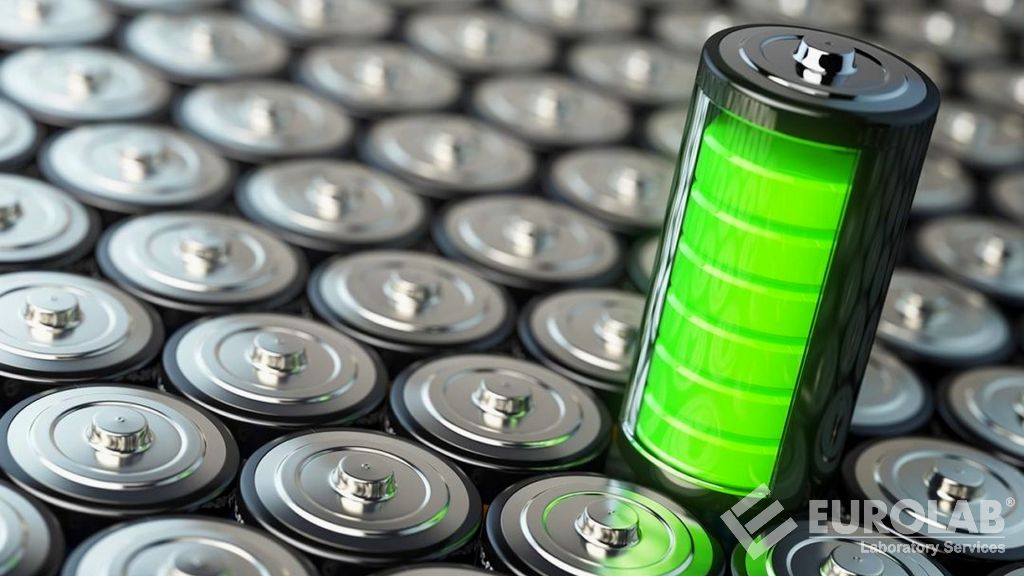
According to this standard, batteries are grouped as follows:
- Type I - Nickel cadmium (Ni-Cd) electrochemical system batteries
- Type II - Nickel metal hydride (Ni-MH) batteries with electrochemical system
- Type III - Lithium-ion (Li-ion) batteries with electrochemical system
- Type IV - Batteries with lithium polymer (Li-Po) electrochemical system
Tests performed in advanced laboratories must meet the following requirements:
- Metals: All metals used in the manufacture of batteries that do not undergo the basic electrochemical reaction of the battery must be treated to resist or resist corrosion. When different metals are used in close contact with each other, which adversely affects battery performance, protection against electrolysis and corrosion must be provided.
- Corrosion: The exterior of the battery should show no cracking, pitting, chipping, scaling, corrosion or other harmful effects after testing.
- Insulating compounds: The insulating, impregnating, filling and sealing compounds used in production should be able to fulfill their expected purpose under the conditions of use described in this specification. Compounds should not interfere with the operation of any safety features after testing, insulating, impregnating, filling and sealing compounds should not flow at high temperature and should not crack or pull from the sides of the container at low temperature. Any compound used must be non-flammable and non-toxic.
- Resistance of elastomeric materials: All elastomeric materials used in the battery, after testing as specified herein, should show no cracks, blisters or other deterioration and should not degrade battery performance. Any elastomeric material used must be non-flammable and non-toxic.
- Electrical connecting wires and tabs. All points inside a battery with the positive and negative poles close together must have at least one layer of insulation between the positive and negative. Layers of insulation material or multiple insulation materials between positive and negative points must have certain properties described in the standard as a minimum.
Among the numerous test, measurement, analysis and evaluation studies it provides for businesses in various sectors, our organization also provides testing services for the performance characteristics of rechargeable and sealed batteries, within the scope of MIL-PRF-32383 standard, with its trained and expert staff and advanced technological equipment.



