

The MIL-STD-2041 standard, a United States military defense standard, describes uniform requirements for the control of harmful materials in products and equipment that come into contact with special-purpose equipment. This standard is used to determine the levels of harmful substances such as halides, sulfur and low melting point alloys in products and materials that come into contact with special equipment intended for use in the nuclear and/or defense industries.
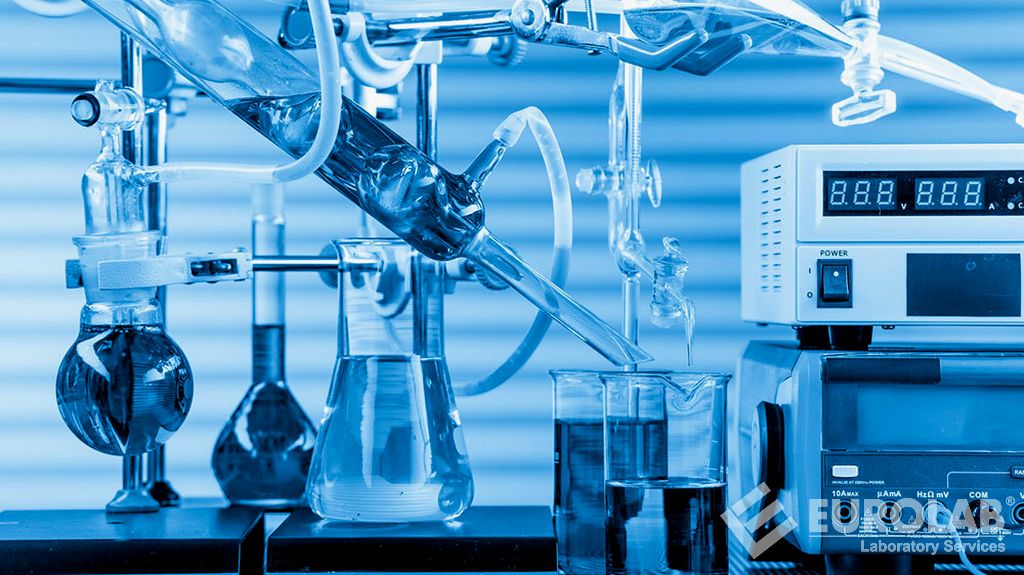
In tests carried out in advanced laboratories, water leachable halides (bromine, chlorine and fluorine), sulfur, total halides, total sulfur, mercury, phosphorus and low melting point alloys (antimony, bismuth) were tested in accordance with both military and International Standards Organization (ISO) standards. Quantitative results are provided for many harmful materials, including the concentration of cadmium, lead, tin, and zinc. ISO 17025 standard, 10 CFR 50 Annex B and 10 CFR Part 21 contain quality management system requirements to support nuclear commercial grade allocation plans and MIL-STD-2041 material verification tests.
MIL-STD-2041 control of hazardous materials test results are typically reported in parts per million (ppm) and compared to levels specified in the standard or customer requirements. A certificate of conformity is issued upon request.
The main tests performed within the scope of this standard are:
For example, this standard regulates the requirements for washbasins. Sinks must be made with one of the following materials:
If no material is specified, corrosion-resistant steels must be used. Furthermore, the sink must conform to the size and weight requirements given in the standard table. The plumbing must be made of bronze conforming to the MIL-B-16444 standard. In all cases, the plumbing must be of equal thickness to standard iron pipe dimensions with the same cross-sectional area. Where weights are not specified, the fittings must be strong enough to withstand service.
Our organization also provides testing services for the control of harmful materials within the scope of MIL-STD-2041 standard, with its trained and expert staff and advanced technological equipment, among the numerous test, measurement, analysis and evaluation studies it provides for businesses in various sectors.
To get an appointment, to get more detailed information or to request an evaluation, you can ask us to fill in our form and reach you.

