

The primary purpose of the STANAG 42 35 standard, a NATO standardization agreement , is to define the worst-case electrostatic environment (electrostatic charge level). This standard describes the electrostatic environmental conditions that affect the design of equipment to be used by NATO forces.
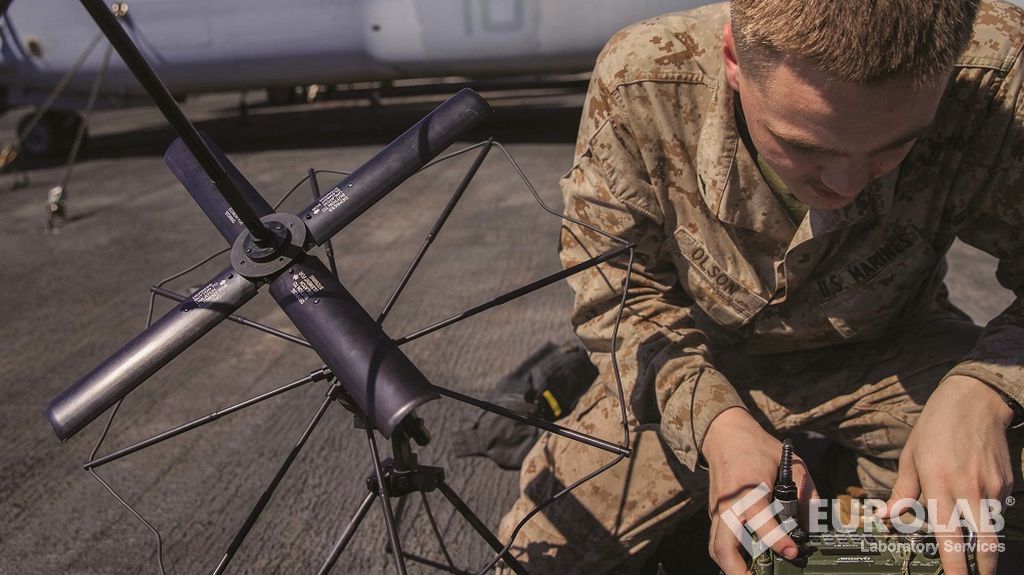
Electrostatic discharge is a situation that occurs when the charges of two surfaces with a large electronic potential are suddenly equalized. The resulting discharge or spark sometimes causes latent damage to electronic components. Systems that prevent this situation help protect work areas.
In fact, electrostatic discharge happens all the time, especially in dry climates and in winter when there is not enough moisture in the air to help discharge excess electrons. Water is conductive and allows electrons to flow more easily. However, electrostatic discharge encountered in sensitive electronics can cause malfunctions. Protective systems provide an equal potential by preventing electrostatic discharge damage and maintaining constant contact with the ground.
The STANAG 4235 standard applies to the following materials throughout their life cycle:
Briefly, the electrostatic discharge event can be defined primarily as a high voltage breakdown event. Damage to components is very similar to high-frequency radar pulse damage. If the DC circuit resistance is small, it will cause a possible safety hazard to the system or a breakdown of the system. Electrostatic charging of systems is common. An airplane passing through rain or dust can create an electrostatic charge on all of the components. If this charge is transferred to electronic equipment or munitions, it will damage electronic functions such as signal processing, timing, commissioning and ignition and cause deterioration or parametric changes of electronic components.
Among the numerous test, measurement, analysis and evaluation studies it provides for businesses in various sectors, our organization also provides electrostatic environmental conditions testing services that affect the material design to be used by NATO forces within the scope of STANAG 4235 standard, with its trained and expert staff and advanced technological equipment.
To get an appointment, to get more detailed information or to request an evaluation, you can ask us to fill in our form and reach you.

