

STANAG standards, which are NATO standardization agreements, define the military standards of NATO member countries. The purpose of the STANAG 4586 standard, published within this framework, is to provide a NATO standard interface for the interoperability of unmanned control systems and unmanned aerial vehicles.
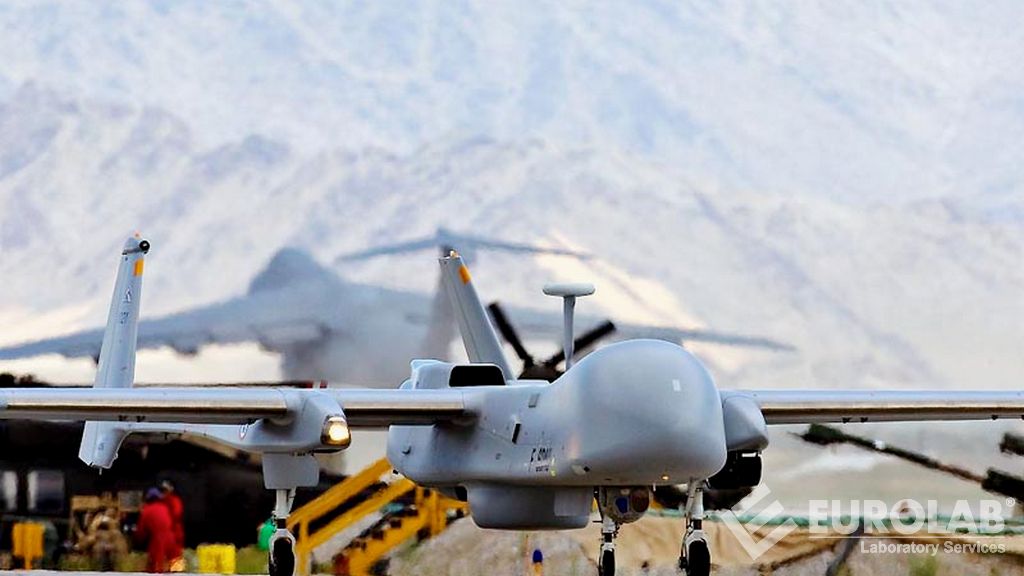
Unmanned aerial vehicles (UAVs) are changing the way military and civilian operations are conducted. The use of such systems offers a reliable alternative to manned aircraft. These vehicles operate in more dangerous conditions with greater autonomy and are very cost-effective compared to manned aircraft. New types of vehicles are constantly being developed, each with its own characteristics. This diversity creates the need for interoperability and creates difficulties. In this respect, the STANAG 4586 standard defines the interfaces to be implemented to provide the necessary level of interoperability between different UAV systems in order to meet the requirements of the operational concept defined by NATO countries.
The STANAG 4586 standard creates a functional architecture for unmanned aerial vehicle control systems with the following elements and interfaces:
In addition to the STANAG 4586 standard, there are a number of standardization agreements (STANAGs) applicable to unmanned aerial vehicles today. For example,
Although these standards do not offer a complete solution in terms of interoperability, the STANAG 4586 standard is seen as a very important step in this direction and draws a roadmap for future developments.
Among the numerous tests, measurements, analyses, and evaluations our organization provides for businesses in various sectors, we also offer unmanned control system and unmanned aerial vehicle interoperability testing services under the STANAG 4586 standard, utilizing a trained and expert staff and advanced technological equipment.
To get an appointment, to get more detailed information or to request an evaluation, you can ask us to fill in our form and reach you.

