MIL-STD-810G Method 510.6 Sand and Dust Test
This test is divided into the Dust (< 150 μm) test procedure and the Sand (150 to 850 μm particle size) test procedure.
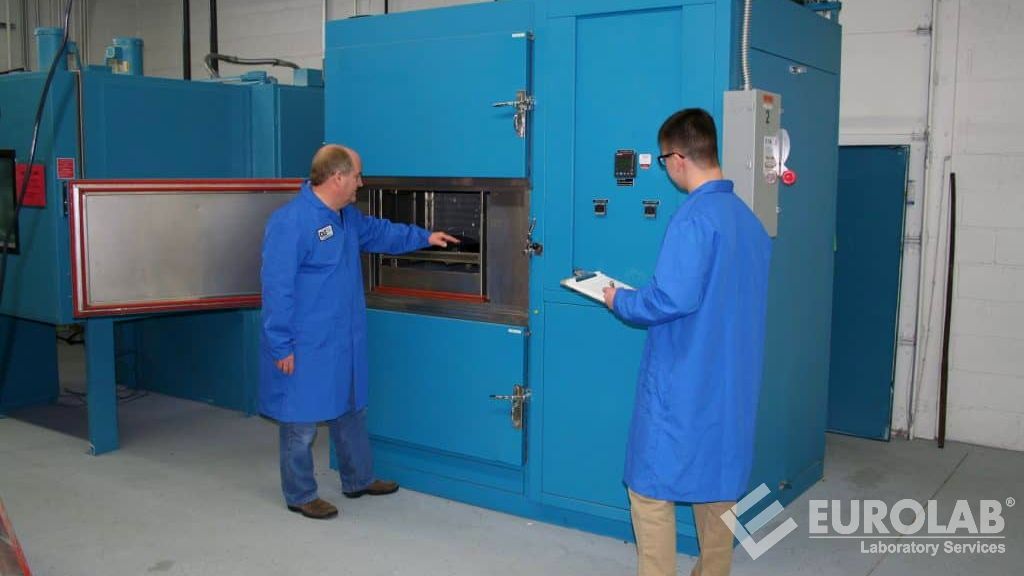
Dust test procedure: Evaluate the effect of dust entering through voids on ammunition performance.
Sand Blowing Test Procedure: Evaluate the effect of erosion and clogging by the sharp blade of sand particles on the performance of the ammunition.
Therefore, this test is applied to evaluate each of the following items expected for mechanical equipment, optical equipment, electrical, electronic and electromechanical equipment exposed to a dry dust and sand atmosphere.
- A. surface corrosion and erosion.
- B. penetration of the gasket.
- C. Damage to electrical circuits.
- D. Clogging or opening of the filter.
- E. Physical interference in parts connected in pairs.
- F. Contamination or entanglement of moving parts.
- G. reduced thermal conductivity.
- H. Interference with optical properties..
- I. Overheating and fire hazard due to limited ventilation or cooling.
- J. Wear (increased interference due to jamming between mating surfaces).
- K. Increased discomfort of non-contact parts. I. Weight gain, static/dynamic balance.
Sand Dust Test
- A. Procedure I – Dust Blow,
- B. Procedure II - Sand Blow.
When choosing to follow the above procedure, consider the following:
– The following points primarily refer to the Life Cycle Environmental Profile (LCEP) and performance requirements documents.
- a. Intended use and storage method of ammunition in sand and dust environment conditions
- b. natural exposure environmental conditions
- c. Test data needed to determine if the part meets the operational purpose of the part
- D. The order of execution of the test procedure is usually done first with the test with the lowest degree of damage to the test result.
The test conditions for each of the above procedures include temperature and humidity of operation, storage and handling of material, airflow rate, composition of sand and dust and their concentration (refer to IEC standard), exposure time, whether the material worked during the test, etc. matters must be taken into account.
- a. test temperature.
- b. Powder or sand composition.
- c. Dust or sand concentration.
- D. Study Requirements.
- to. Test element orientation and exposure time per orientation.
- f. The method of cleaning the sand or dust used in the study.
- g. air speed.
- h. Pretest video of the item and test preparation.
Test result decision
Check the following about test results.
Procedure I (Powder)
- Sticking, blocking, blocking, etc. of the contacts between the dust test product and the non-working product.
- Enough penetration to cause electrical short circuit or bridge
- Specified requirements or allowable range whether the functional performance of the test product is within
- Whether the protective coating is contaminated
- Whether erosion is within an acceptable range
Procedure II (Sand)
- Whether the erosion exceeds the specified requirements
- Whether the test item is working properly
- Whether the protective coating is contaminated
Test request conditions
The following are the minimum ingredients that must be specified when requesting a test.
- Procedure number
- Test temperature (see Method 501.6, Method 505.6), humidity (RH), air flow rate (minimum 1.5 +1 m/s), sand powder composition (dust: general yellow sand, sand: SiO2 silicon sand) ), concentration ( 10.6 ±7 g/m^3),
- The loop time of the condition. Loop condition and number of repetitions
- MIL-STD-810G, Method 510.6 Procedure I, 23.5°C, 6 Hours RH60%, 10 cycles.
- MIL-STD-810G, Method 510.6 Procedure II, 23.5°C, Min 90 minutes, RH 55%, 4 cycles.



