

MIL-DTL-5541 Detailed Technical Specifications - Chemical Transformation Coatings on Aluminum and Aluminum Alloys

MIL-DTL-5541 Detailed Technical Specifications - Chemical Transformation Coatings on Aluminum and Aluminum Alloys

The MIL-DTL-5541 Detailed Technical Specifications - Chemical Transformation Coatings on Aluminum and Aluminum Alloys standard, a military standard developed by the United States Department of Defense, describes detailed technical specifications for chemical transformation coatings formed by the reaction of chemical transformation materials with the surfaces of aluminum and aluminum alloys.
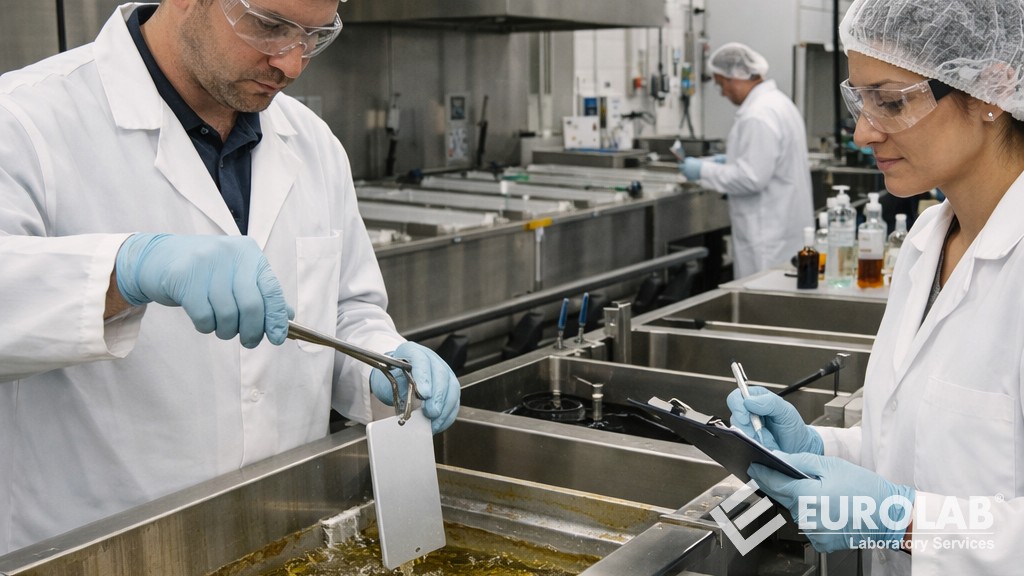
MIL-DTL-5541 Detailed Technical Specifications - Chemical Transformation Coatings on Aluminum and Aluminum Alloys

Chemical conversion coatings are of the following types and classes:

  • Types: Chemical conversion coatings are of the following types:
  • Type I: Compounds containing hexavalent chromium.
  • Type II: Compounds that do not contain hexavalent chromium.
  • Classes: Materials that form protective coatings through chemical reactions with aluminum and aluminum alloys are classified as follows:
  • Class 1A: For maximum corrosion protection, painted or unpainted.
  • Class 3: For corrosion protection where low electrical resistance is required.

The MIL-DTL-5541 standard is one of the most important military specifications in the aerospace, defense, and manufacturing sectors requiring high reliability. This detailed specification defines the requirements for chemical conversion coatings (chemical film, chromate conversion coating) applied to aluminum and its alloys.

The primary purposes of these types of coatings are as follows:

  • To provide corrosion protection for aluminum surfaces.
  • Significantly improving paint and primer adhesion.
  • To maintain acceptable levels of electrical conductivity in specific situations.

These coatings are formed by a chemical reaction between specially formulated solutions and the aluminum surface, creating a thin, protective, and integrated film (typically 0,254 microns–1,016 microns thick). They are particularly critical for military aircraft, weapon systems, land vehicles, electronic enclosures, and other components exposed to harsh environments.

The MIL-DTL-5541 standard classifies coatings into two main types (based on chemistry and composition) and two classes (based on intended use and performance characteristics):

  • Types (chemistry):
  • Type I: Contains hexavalent chromium. Traditional yellow/iridescent chromate coatings:
  • It offers the highest corrosion resistance.
  • It produces a classic golden yellow to brown appearance.
  • It is still permitted when RoHS/REACH restrictions allow it.
  • Type II: Does not contain hexavalent chromium (typically formulations that do not contain trivalent chromium or chromate)
  • Environmentally friendly / RoHS compliant alternative.
  • They are usually transparent, colorless, or very light in color.
  • It shows slightly lower corrosion performance than Type I in some aggressive tests, but many modern formulations are very close.
  • Classes (performance requirements):
  • Class 1A: Maximum protection:
  • A thicker, darker coating.
  • Highest corrosion resistance (especially for unpainted surfaces).
  • Excellent paint base.
  • Typical applications include structural components, tanks, pipes, and exterior surfaces where maximum durability is critical.
  • Class 3: Protection + low electrical resistance:
  • Thinner coating.
  • It maintains low electrical contact resistance (up to 5.000 μΩ/in2 when applied, up to 10.000 μΩ/in2 after salt spraying).
  • It is used in electrical/electronic applications where conductivity is important (e.g., grounding, EMI shielding, connectors).

Briefly:

  • Type 1: Highest corrosion resistance, lowest electrical conductivity (Class 1A), and primary application area: maximum corrosion protection.
  • Type 2: Excellent corrosion resistance, better electrical conductivity (especially Class 3), and primary application area is RoHS compliant applications.
  • Class 1A: Highest corrosion resistance, higher electrical conductivity, and primary use for unpainted surfaces, providing maximum durability.
  • Class 3: Good corrosion resistance, low electrical conductivity, and primary application in electrical contacts and electronics.

The most common combinations in practice are:

  • Type I Class 1A: Classic yellow chromate (highest protection)
  • Type II Class 3: Transparent RoHS compliant conductive chemical film.
  • Type I Class 3: Yellow conductive version (when hexavalent metals were still permitted)

The main benefits and applications of the MIL-DTL-5541 standard are as follows:

  • It significantly increases corrosion resistance compared to bare aluminum.
  • It serves as an excellent paint/pretreatment base.
  • It is very thin, showing almost no change in size.
  • It can be applied to complex geometries and large parts.
  • It is widely used in aviation, military, avionics, satellite components, defense electronics, and high-end commercial applications.

Type I (hexavalent) coatings retain their superiority in severely corrosive environments, but many programs now mandate Type II coatings due to environmental regulations (RoHS, REACH, OSHA's concerns regarding hexavalent chromium toxicity).

The qualification of the chemical products used is controlled by a separate but related specification, MIL-DTL-81706 (chemical conversion materials). Only products included in the qualified products list may be used for Department of Defense contracts.

These films have relatively low abrasion resistance and are not as hard as anodizing.

The MIL-DTL-5541 standard remains the gold standard for protecting aluminum in the most demanding applications. Whether working with legacy systems that often still require Type I, or modern systems that prefer Type II for environmentally friendly platforms, this specification continues to define the latest technology for aluminum chemical conversion coatings in defense and aerospace.

For many years, our organization, with its competent and experienced staff, has been understanding the needs of its clients, providing the advanced testing services they require, and assisting in the establishment, implementation, and improvement of management systems. Within this framework, we also provide testing services to businesses in accordance with the "MIL-DTL-5541 Detailed technical specifications - Chemical conversion coatings on aluminum and aluminum alloys" standard.

WhatsApp

