

NATO AEP 54 Collective Protection in Chemical, Biological, Radiological and Nuclear (CBRN) Environments (COLPRO)

NATO AEP 54 Collective Protection in Chemical, Biological, Radiological and Nuclear (CBRN) Environments (COLPRO)

The "NATO AEP 54 Collective Protection in Chemical, Biological, Radiological and Nuclear (CBRN) Environments (COLPRO)" standard, published within the scope of military standards of NATO member countries, is a standard that ensures the interchangeability of filters in collective protection installations of different countries.
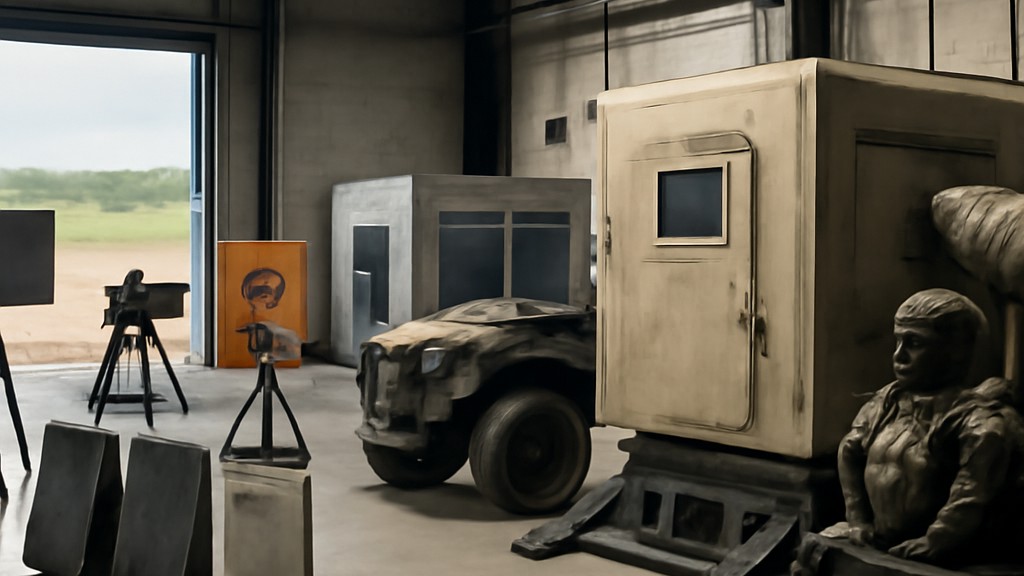
NATO AEP 54 Collective Protection in Chemical, Biological, Radiological and Nuclear (CBRN) Environments (COLPRO)

Within the scope of this standard, collective protection systems are designed to protect personnel in enclosed spaces such as military vehicles, shelters and command centers against chemical, biological, radiological and nuclear threats.

The NATO AEP 54 standard outlines requirements for filtration systems and overpressure environments that prevent the leakage of hazardous substances. It ensures that collective protection systems can effectively filter or neutralize:

  • Chemical warfare agents
  • Biological agents
  • Radiological particles
  • Toxic industrial chemicals
  • Toxic industrial materials

This standard specifies criteria for system performance, including filtration efficiency, air flow capacity, and resistance to various environmental conditions.

The latest update of this standard has expanded its scope to include a broader range of threats, such as toxic industrial chemicals and toxic industrial materials, reflecting the evolving nature of chemical, biological, radiological, and nuclear risks. Test methodologies have also been updated to ensure systems meet current operational demands.

Defense manufacturers and suppliers are developing filtration systems that comply with NATO AEP 54 standards. For example, EMCEL manufactures composite filters that meet the gas testing requirements of this standard. Similarly, companies such as Nero Industries offer chemical, biological, radiological, and nuclear filtration systems that have been tested and certified to NATO AEP 54 standards.

These systems are an integral part of military personnel protection and are used on a variety of platforms, including armored vehicles and field shelters. Compliance with NATO AEP 54 standard ensures these systems provide reliable protection against a wide range of chemical, biological, radiological, and nuclear threats.

Collective protection (COLPRO) refers to systems and measures designed to protect groups of people in enclosed spaces from chemical, biological, radiological, and nuclear threats. Unlike individual protection (such as gas masks or hazmat suits), collective protection (COLPRO) allows personnel to work safely in a protected environment without wearing personal protective equipment.

The basic concepts of collective protection are:

  • Overpressure system: The inside of the protected area is maintained at a higher pressure than the outside. This prevents contaminated air from leaking in through small openings.
  • Filtration system: Air entering the space is filtered (removing toxic agents and particles) through chemical, biological, radiological, and nuclear-grade filters. Filters can remove chemical vapors, biological pathogens, radioactive particles, and toxic industrial chemicals and materials.
  • Sealed enclosure: The structure is sealed to prevent contaminated air from entering. This can apply to buildings, vehicles, tents, or modular shelters.
  • Airlocks: Entry and exit points include airlocks to prevent contamination when people or equipment move in or out.

The places where collective protection is used are:

  • Military vehicles (e.g. tanks, armored personnel carriers)
  • Field hospitals and command centers
  • Mobile shelters and tent systems
  • Critical civil infrastructure in some high-risk areas

The benefits of collective protection include:

  • Enables long-term operations in contaminated environments.
  • It reduces heat stress and fatigue as staff do not need full personal protective equipment.
  • Provides psychological comfort to personnel under threat.

The NATO AEP 54 standard is the baseline standard that defines performance requirements and tests for collective protection (COLPRO) systems in military applications.

A COLPRO system typically includes:

  • Chemical, biological, radiological and nuclear filter units: Remove contaminants from incoming air.
  • Blowers and fans: Direct the air flow through filters and into the protected area.
  • Overpressure sensors: Maintain and monitor positive pressure inside the enclosure.
  • Closed enclosure: A physical structure that prevents contaminated entry.
  • Airlock rooms: Transition areas for disinfecting personnel and equipment.
  • Power source: Battery, vehicle power or external generator.

The performance requirements of this system include:

  • Overpressure: Minimum 3,5 mm H₂O (typical minimum to prevent leakage)
  • Filtration efficiency: 99,997 percent against 0,3 μm particles (HEPA)
  • Air change rate: 3–6 changes per hour (adjusted according to occupancy rate)
  • Toxic agent resistance: The system must resist penetration by chemical warfare agents for at least 6 hours.
  • System integrity: The leak rate must be below the specified threshold, for example, no more than 10 percent per hour.

Filter types mainly include:

  • Particle filters (HEPA): Keeps biological agents, dust, radioactive particles.
  • Activated carbon filters: Absorbs chemical vapors and toxic industrial chemicals.
  • Pre-filters: Capture large particles to extend the life of the main filter.

Design features of collective protection (COLPRO) systems include:

  • Airflow management: Laminar flow is used to prevent the mixing of contaminants. Uniform air distribution is ensured within the protected area.
  • Redundancy: Designed with redundant fans and filters for mission continuity.
  • Environmental conditions: Systems must operate between -32°C and +55°C. Components must be resistant to shock, vibration, and humidity (especially in vehicles).
  • Power supply: Systems must support autonomous operation for at least 6-12 hours. Low-power designs are preferred.

Testing and validation of collective protection (COLPRO) systems includes:

  • System-level testing: In overpressure testing, a sufficient pressure differential is maintained. In leak testing, smoke or a tracer gas, such as sulfur hexafluoride, is used to detect leaks. In filter integrity testing, bypasses and seal failures are tested.
  • Agent testing: Simulants such as methyl salicylate or dimethyl methylphosphonate are used for safety. Certified testing laboratories perform exposure testing with live agents.

Our organization, which has been supporting businesses across all sectors for years through a wide range of testing, measurement, analysis, and evaluation activities, has a strong team of employees who closely follow global developments in science and technology and are constantly improving themselves. In this context, we also provide testing services to businesses in accordance with the NATO AEP 54 Collective Protection in Chemical, Biological, Radiological, and Nuclear (CBRN) Environments (COLPRO) standard.

WhatsApp

