

STANAG standards, which are NATO standardization agreements, determine the military standards of NATO member countries. One of the standards published in this framework is the STANAG 4806 standard. This standard contains standard interfaces for task modules.
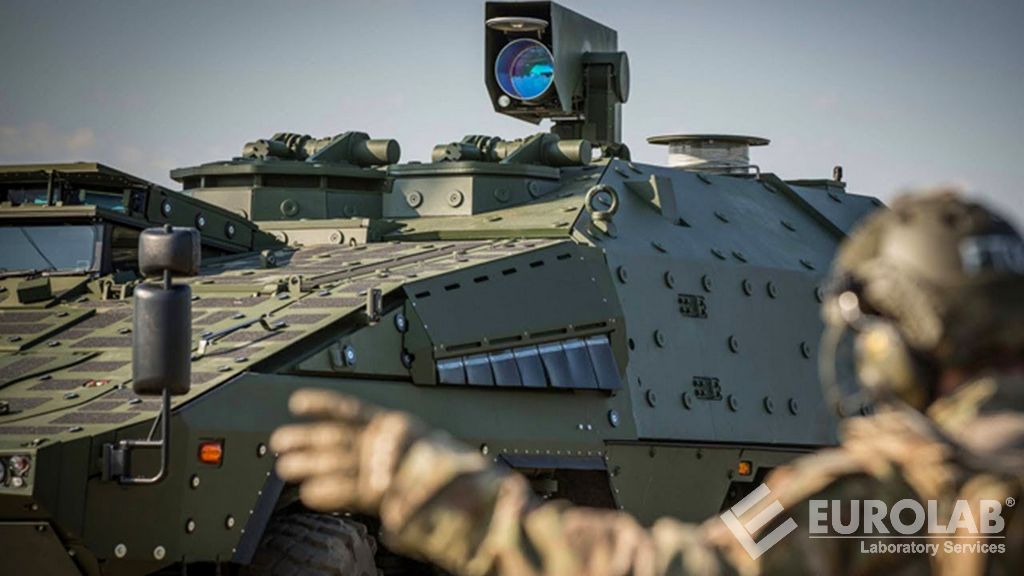
Mission modules are a method that has been used since ancient times. Even today, the air force still employs the mission modularity approach with interchangeable systems . Modular warships were first implemented in 1975 on Dutch frigates. All the systems used on these ships were designed in a modular way. Thanks to these systems, if any system is hit, the ship containing that system can be replaced with another one in a short time. Later, the Germans also built ships following the same design but on a larger scale. All the weapon systems, electronic systems, and other equipment on these ships were designed modularly so that they could be quickly replaced. In short, system modularity is the basis of these ships. Today, the US and NATO use modules developed with this understanding and based on mission modularity. In this way, systems manufactured according to the mission, such as surface warfare, mine countermeasures, or anti-submarine systems, are mounted on the ship. This approach, mission modules, has paved the way for a new concept in warships.
Four mission modularities are being worked on for NATO today:
It is aimed that the mission modules built by NATO will be delivered to the appropriate ships by air, and these ships will be ready for the above-mentioned missions.
When this work was completed, NATO published the standard interfaces standard for STANAG 4806 Mission modules and requested member states to comply with it. Mission modularity has been used by NATO as a submarine rescue system since 2008. The purpose of this system is to increase the response capability of the ship by sending the system to the ship that will respond to the accident, when an alarm is received in the event of a submarine accident.
Our organization, among the numerous test, measurement, analysis and evaluation studies it provides for businesses in various sectors, also provides test services for standard interfaces for task modules within the scope of STANAG 4806 standard, with its trained and expert staff and advanced technological equipment.
To get an appointment, to get more detailed information or to request an evaluation, you can ask us to fill in our form and reach you.

