MIL-STD-901E Detailed Specification: Shock Tests, HI (High Impact) Marine Machinery, Equipment and Systems, Requirements
The standard "MIL-STD-901E Detailed specification: Shock tests, HI (high impact) ship machinery, equipment, and systems, requirements" developed by the United States Department of Defense describes the high impact (HI) shock test requirements for machinery, equipment, systems, and structures on surface ships, including carriers and submarines, unless otherwise specified. The purpose of these requirements is to verify the ability of shipboard facilities to withstand shock loads generated by the effects of nuclear or conventional weapons or environmental mechanical shocks during operation.
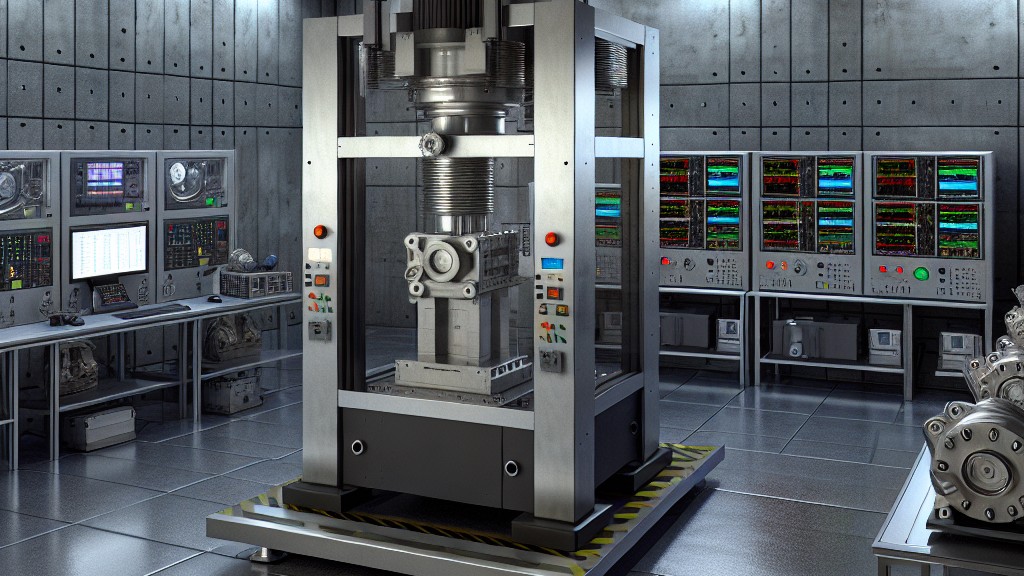
According to this standard, standard shock test methods include:
- Light: This test is performed with a light shock machine.
- Medium weight: This test is performed on a medium weight shock machine.
- Heavy: This test is performed on the standard floating shock platform, extended floating shock platform, medium floating shock platform, or large floating shock platform.
- Medium weight deck simulation: This test is performed on a deck simulation shock machine on Class II deck-mounted equipment and Class I/II and Class III deck-mounted equipment, if applicable.
Items to be tested for shock levels are classified as one of the following:
- Class A: Items essential for the ship's safety and continued combat capability.
- Class B: Items whose operation is not essential to the safety and combat capability of the ship, but which may pose a hazard to personnel operating or manipulating Class A equipment, Class A items, or the ship as a whole, including personnel at battle stations, through exposure to shock.
According to this standard, items to be tested are classified into one of the following types:
- main unit
- Auxiliary component
- Sub-assembly
In this standard, equipment classes are determined as follows:
- Class I equipment: This equipment is required to meet these shock requirements without the use of isolation devices (e.g., shock, noise or vibration mountings or flexible elements) placed between the equipment and the ship structure or ship foundation.
- Class II equipment: This equipment is required to meet these shock requirements by using isolation devices (e.g. shock, noise or vibration mountings or flexible elements) placed between the equipment and the ship structure or ship foundation.
- Class I/II equipment: This equipment is equipment that has one or more parts required to meet these shock requirements without the use of isolation devices and another part required to meet these shock requirements by the use of isolation devices placed between the parts and the ship structure or ship foundation.
- Class III equipment: This equipment has shipboard application whether or not isolation devices placed between the equipment and the ship structure or ship foundation are used and therefore must meet these requirements whether or not isolation devices are used.
In short, the MIL-STD-901E standard is required to ensure that military shipboard equipment can withstand shock environments such as underwater explosions. This standard is designed to test the durability of mechanical, electrical, and electronic equipment used on U.S. Navy ships. It simulates the shock load from high impacts to verify that critical equipment continues to operate or can be quickly restored after such events.
Typical equipment tested in this context includes: control panels, electrical switchgear, valves and pumps, weapon system components and communication equipment. After all, this standard is essential to maintain operational capability, crew safety and mission success under extreme shock conditions typical of naval warfare.
The test methods used in the standard (such as light and heavy shock tests) briefly include:
- Light load shock test: This test covers small and lightweight devices (usually under 227 kg). Its purpose is to test the equipment's resistance to small-sized shocks. The test equipment is placed on a shock table. An explosive charge is placed under the table or a sudden impact is applied with a mechanical device. This test is usually performed in a controlled test system in a laboratory environment or in the field.
- Heavy load shock test: This test covers large, heavy or vital systems (such as engines, generators, control systems). Its purpose is to measure the resistance of the device to serious underwater explosions. The equipment is placed on a test platform. Real explosives are detonated underwater at close range. The effect of the resulting shock wave on the equipment is monitored. This test is usually performed offshore or in special test areas.
Our organization, which has been trying to support businesses from every sector with its testing, measurement, analysis and evaluation studies carried out in a wide range for years, has a strong staff that closely follows the developments in the world in the field of science and technology and constantly improves itself. In this context, testing services in accordance with the "MIL-STD-901E Detailed specifications: Shock tests, HI (high impact) ship machinery, equipment and systems, requirements" standard are also provided to businesses.



